
The journey to optimal heart health is not just a destination but a continuous path that requires conscious efforts and informed decisions. In this comprehensive guide, we delve into the heart of the matter, exploring key dietary choices, lifestyle habits, and nutrients that can significantly boost your cardiovascular health. Whether you're a fan of delicious fruits, a dedicated vegan, or an enthusiastic athlete, this guide offers valuable insights and practical tips tailored to your needs.
From the beneficial omega-3 fatty acids found in certain fish to the potent antioxidants abundant in colorful vegetables, we explore how these essentials can support your heart. We highlight the importance of whole grains, a plant-based diet, and healthy fats in maintaining a balanced, heart-healthy diet. Navigate your way through diets known for their heart-nurturing benefits, such as the Mediterranean and DASH diets, while understanding the role of cholesterol in your body.
Beyond nutrition, we also delve into lifestyle modifications, from managing stress and sleep to incorporating appropriate physical activities, all contributing to a healthier heart. Understanding heart health is a crucial step towards a healthier, longer life. So, whether you're 20 or 40, now is a perfect time to invest in your heart health. Let's embark on this heart-healthy journey together!
1. "Nourishing Your Heart: A Guide to Essential Nutrients and Diets"

Maintaining heart health is crucial for overall wellness, especially for those in the age group of 20-40 years, who are juggling various responsibilities and stressors. A key component to promoting heart health is nourishing your body with essential nutrients and adopting a heart-friendly diet.
Firstly, Omega-3 fatty acids are a vital nutrient for cardiovascular health. Found abundantly in fish like salmon and tuna, as well as in walnuts and flaxseeds, these healthy fats reduce inflammation and lower the risk of heart disease. Incorporating these foods into your diet regularly can help boost heart health.
Antioxidants also play a significant role in heart health. They neutralize harmful free radicals in the body and prevent oxidative stress that could lead to heart disease. Berries, dark chocolate, and green tea are excellent sources of antioxidants and make for heart-healthy snack options.
Adopting a plant-based diet is another effective strategy for promoting heart health. This diet focuses on consuming whole grains, fruits, vegetables, legumes, and nuts, which are high in fiber and help lower cholesterol levels. Moreover, a plant-based diet limits the intake of processed foods and red meat, which can contribute to heart complications.
The Mediterranean diet is renowned for its heart-protective qualities. It emphasizes the consumption of vegetables, fruits, whole grains, and healthy fats, much like the plant-based diet. However, it also includes moderate amounts of fish and poultry. The Mediterranean diet has been linked to lower levels of LDL (bad) cholesterol and a reduced risk of heart disease and stroke.
Another beneficial diet for heart health is the DASH diet (Dietary Approaches to Stop Hypertension). This diet encourages the consumption of foods rich in potassium, calcium, and fiber, while limiting sodium intake. It aids in lowering high blood pressure, a significant risk factor for heart disease.
Whole grains are a powerhouse of nutrients that are heart-friendly. They are rich in fiber, which helps reduce LDL cholesterol and improve heart health. Opt for whole grain options like brown rice, oatmeal, or whole grain bread instead of their refined counterparts.
In conclusion, a combination of Omega-3 fatty acids, antioxidants, and whole grains, along with a plant-based, Mediterranean, or DASH diet, can significantly improve heart health. Remember, it's not just about individual foods, but the overall pattern of your diet that makes the most significant difference. Regular physical activity, adequate sleep, and stress management also play crucial roles in maintaining heart health. Make heart-healthy choices today for a healthier and happier tomorrow.
2. "Delicious and Nutritious: Heart-Healthy Recipes for Every Meal"
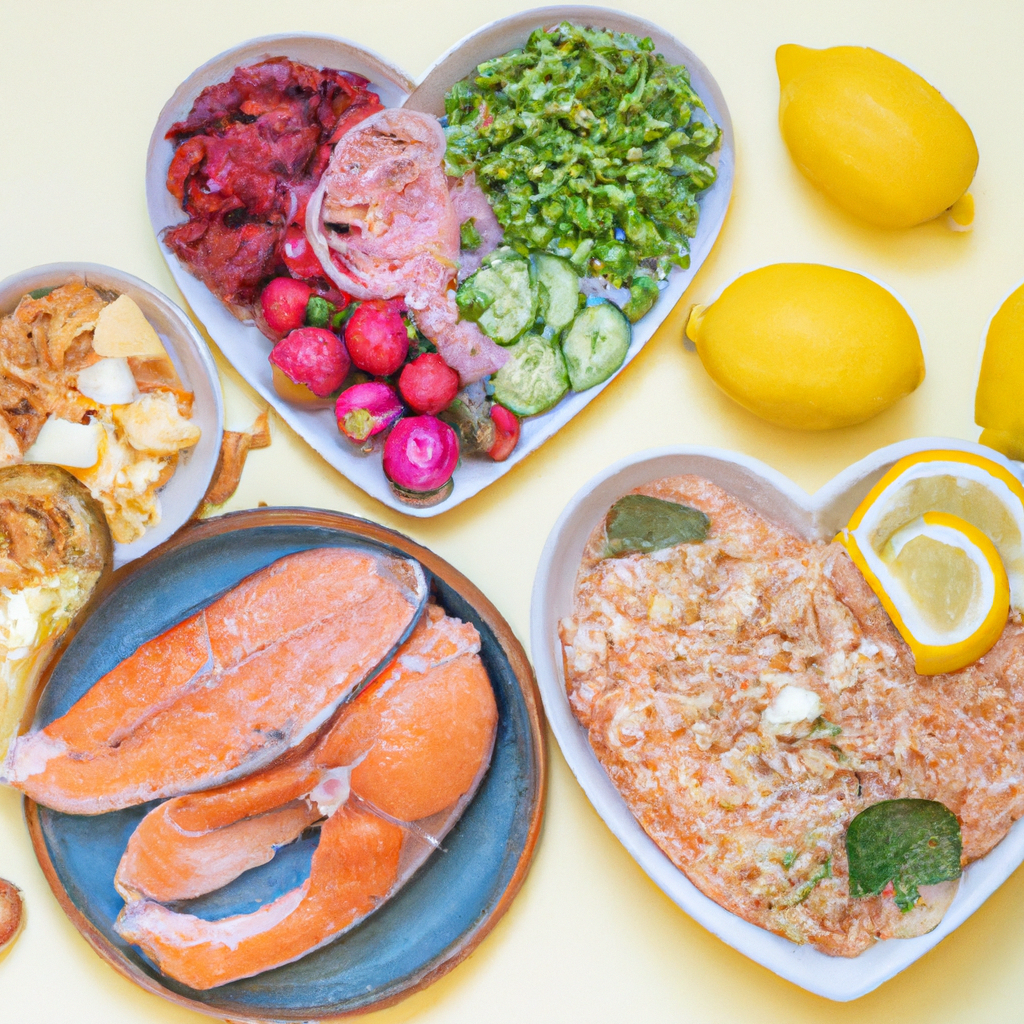
Maintaining a healthy heart is not just about avoiding certain foods, but it's also about focusing on foods that are rich in heart-friendly nutrients. Incorporating a variety of heart-healthy foods into your daily meals can go a long way in safeguarding your cardiovascular health. Here are some delicious and nutritious heart-healthy recipes that you can enjoy at every meal.
For breakfast, consider a bowl of whole grain oatmeal topped with a generous handful of berries. Whole grains are an excellent source of fiber, which can lower your risk of heart disease by reducing cholesterol levels. Berries, on the other hand, are packed with heart-healthy nutrients and antioxidants that can protect your heart and blood vessels.
For a heart-healthy lunch, you might opt for a Mediterranean-style salad. The Mediterranean diet is renowned for its heart health benefits, thanks to its emphasis on fruits, vegetables, whole grains, and healthy fats. A salad made with leafy greens, tomatoes, cucumbers, olives, a sprinkle of feta cheese, and a dressing made from olive oil and lemon juice packs a heart-healthy punch.
When it comes to dinner, fatty fish like salmon are a great choice. Rich in omega-3 fatty acids, fatty fish can reduce inflammation and lower the risk of heart disease. Pair it with a side of roasted vegetables and a serving of brown rice or quinoa for a well-rounded, heart-healthy meal.
Don't forget about snacks! Foods like nuts and seeds are not only tasty but they also offer a good dose of omega-3 fatty acids and other heart-healthy nutrients. A handful of walnuts or flaxseeds could be a perfect mid-day snack.
Lastly, consider trying out the DASH diet, which stands for Dietary Approaches to Stop Hypertension. This diet is low in sodium and rich in foods that are high in nutrients like potassium, calcium, and magnesium, which are essential for heart health.
Remember that maintaining heart health doesn't have to be boring or bland. With a bit of planning and creativity, you can enjoy delicious and nutritious meals that not only satisfy your taste buds but also keep your heart in good shape.
3. "Beyond Diet: Lifestyle Choices for Optimal Heart Health"

While a balanced diet is a pivotal factor in maintaining heart health, it is essential to recognize that diet alone is not the solution. To ensure optimal heart health, it's important to adopt a holistic approach, integrating various lifestyle choices that complement a heart-healthy diet.
Physical activity, for instance, has a profound impact on cardiovascular health. Regular exercise, from brisk walking to weight lifting, pumps up heart health by increasing cardiovascular fitness, reducing bad cholesterol, and boosting the good cholesterol. Moreover, it aids in managing weight, a key factor in heart disease risk.
Beyond physical activity, stress management plays a critical role in heart health. Chronic stress contributes to high blood pressure, a major risk factor for heart disease. Incorporating stress-reducing activities such as yoga, meditation, or simply spending time in nature can help manage stress levels, supporting overall cardiovascular health.
Sleep is another lifestyle aspect that often gets overlooked. Poor sleep or sleep disorders like sleep apnea can lead to higher risk of heart disease. Prioritizing good quality sleep, therefore, is essential to heart health.
In terms of dietary habits, following a plant-based diet or Mediterranean diet rich in fruits, vegetables, whole grains, and healthy fats can significantly improve heart health. These diets are high in dietary fiber, antioxidants, omega-3 fatty acids, and low in unhealthy fats and cholesterol, all of which contribute to good heart health.
Adopting the DASH diet, which stands for Dietary Approaches to Stop Hypertension, is another excellent option. This diet emphasizes the consumption of fruits, vegetables, and low-fat dairy products while minimizing saturated and total fat. It's proven to lower blood pressure, a significant risk factor for heart disease.
Lastly, do not underestimate the power of regular health check-ups. Regular screenings for blood pressure, cholesterol levels, and diabetes can help detect potential problems early and prompt immediate action.
In conclusion, while a diet rich in whole grains, omega-3 fatty acids, antioxidants, and healthy fats is vital for heart health, it's equally important to integrate regular exercise, stress management, adequate sleep, and regular health check-ups into your lifestyle for optimal cardiovascular health.
In conclusion, the journey to optimal heart health is a comprehensive process that entails incorporating a balanced diet, making smarter lifestyle choices, and maintaining a consistent physical activity regimen. Nutrient-dense fruits, vegetables, whole grains, lean proteins, and omega-3 fatty acids are undeniable cornerstones of a heart-healthy diet.
Embracing diets rich in antioxidants and low in sodium, such as the Mediterranean and DASH diets, can contribute significantly to better cardiovascular health. Furthermore, understanding the complex relationship between cholesterol, healthy fats, and heart health is paramount.
However, diet is just one aspect of a heart-healthy lifestyle. Regular exercise, adequate sleep, stress management, and reducing alcohol and processed food intake are also key for maintaining a healthy heart.
Whether you're meal-prepping for a busy week, seeking heart-healthy recipes or trying to navigate the world of nutritional labels, remember to make choices that will benefit your heart health in the long term.
The emphasis should not only be on what to avoid, but also on what to incorporate more of in your diet. Foods like nuts, seeds, legumes, berries, and certain spices and herbs not only add flavor and variety to meals, but also provide numerous heart health benefits.
Heart health is a lifelong commitment, but with the right tools and knowledge, it’s a rewarding and achievable goal. Remember, every small step towards a healthier lifestyle counts in the grand scheme of heart health. So, start today and make your heart thank you for years to come.
In the end, nurturing heart health is not just about prolonging life, but enhancing its quality. Here’s to a heart-healthy future!