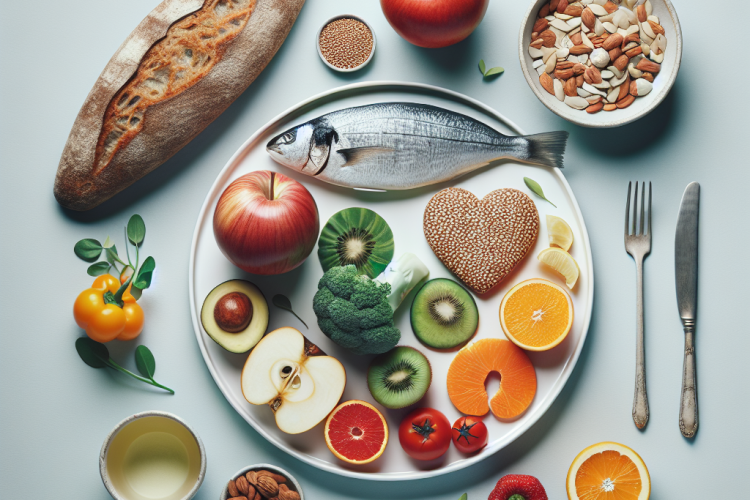
In our pursuit of a healthier lifestyle, the heart often becomes the focal point, and rightfully so. Cardiovascular health is paramount to overall well-being, and diet plays an essential role in maintaining and promoting heart health. This comprehensive guide aims to shed light on the abundant array of foods, nutrients, and diets that are not only delicious but also heart-healthy. From the benefits of omega-3 fatty acids and antioxidants to the virtues of a plant-based or Mediterranean diet, we delve into the science and practice of heart-healthy eating.
Whether you're a busy professional looking for quick meal prep ideas, a senior citizen seeking to adapt your diet for optimal health, or a teenager exploring healthier eating habits, this guide has got you covered. We'll debunk myths, offer practical tips, and provide insights into everything from managing cholesterol with the DASH diet to understanding the importance of whole grains in your diet.
Beyond food, we’ll also explore the impact of lifestyle factors such as exercise, stress management, and sleep on heart health. Because a heart-healthy lifestyle isn't just about what's on your plate—it's about balancing all aspects of your life in a way that supports your cardiovascular health. So, buckle up for a journey to a healthier heart and a healthier you!
1. "Embracing Heart Health: Exploring the Best Heart-Healthy Foods and Diets"
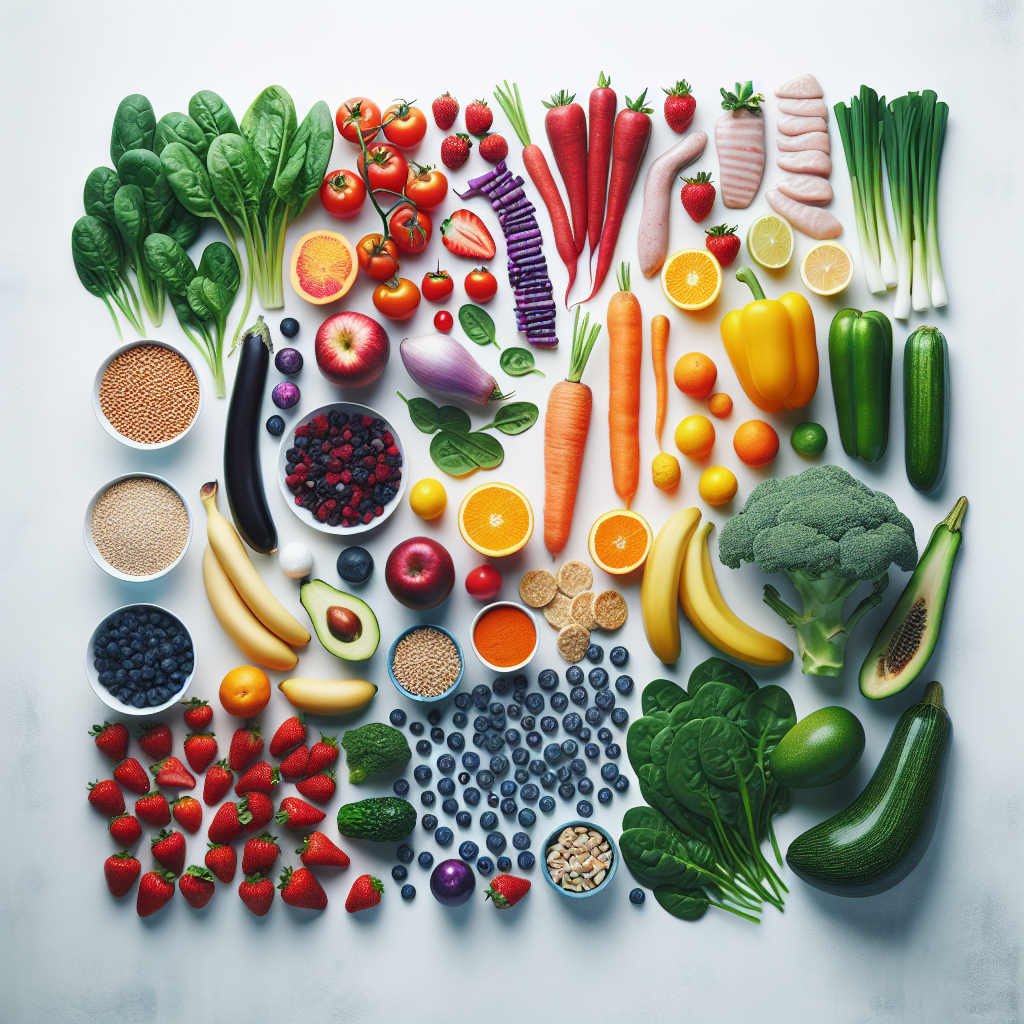
Embracing heart health starts with a conscious decision to nourish your body with the best heart-healthy foods and follow diets that support cardiovascular wellness. One of the key aspects of heart health is incorporating omega-3 fatty acids into your diet. These essential nutrients, found abundantly in fatty fish and flaxseeds, have been proven to reduce inflammation and lower the risk of heart disease.
Equally important are antioxidants, substances that can protect your cells against harmful free radicals. Berries, dark chocolate, and green tea are all rich sources of antioxidants and are delicious additions to any heart-healthy diet.
A plant-based diet, which focuses on fruits, vegetables, legumes, whole grains, and lean proteins, can also have significant benefits for heart health. These foods are high in fiber, which can help lower cholesterol and reduce the risk of heart disease. If you're looking for a more structured eating plan, the Mediterranean diet, which emphasizes fruits, vegetables, whole grains, and healthy fats like olive oil, is renowned for its heart-protective qualities.
Speaking of healthy fats, it's crucial to understand that not all fats are created equal. While you should limit your intake of saturated and trans fats, monounsaturated and polyunsaturated fats — found in foods like avocados, nuts, and seeds — can lower your risk of heart disease and stroke.
Cholesterol, a waxy substance found in your bloodstream, can be both good and bad. While too much of one type — low-density lipoprotein (LDL) — can increase your risk of heart disease, the other type — high-density lipoprotein (HDL) — can actually lower your risk. Eating a diet rich in omega-3 fatty acids, fiber, and lean proteins can help maintain a healthy balance of cholesterol levels.
The DASH diet, or Dietary Approach to Stop Hypertension, is another effective plan for heart health. This diet is low in sodium and high in nutrients that help lower blood pressure, such as potassium, calcium, and magnesium.
Finally, whole grains are your heart's best friend. They're packed with fiber, helping to reduce your risk of heart disease by lowering cholesterol levels and blood pressure, and promoting healthy blood sugar levels.
By understanding and incorporating these heart-healthy foods and diets into your lifestyle, you can take a proactive step towards better cardiovascular health. Start your journey to a healthier heart today!
2. "From Omega-3 to Antioxidants: Understanding The Role of Essential Nutrients in Heart Health"

Understanding the key role that essential nutrients play in promoting heart health is fundamental to maintaining cardiovascular wellness. Two such vital nutrients are omega-3 fatty acids and antioxidants, both of which have a significant impact on cardiovascular health.
Omega-3 fatty acids, commonly found in fatty fish, flaxseeds, chia seeds, and walnuts, are renowned for their heart health benefits. These beneficial fats help lower the levels of harmful cholesterol, reduce inflammation, and even decrease high blood pressure. The American Heart Association recommends eating at least two servings of fatty fish per week as part of a heart-healthy diet.
Antioxidants, on the other hand, act as a natural defense system for our bodies. They help protect our cells from damage caused by harmful molecules known as free radicals. High levels of free radicals can lead to chronic diseases, including heart disease. A diet rich in antioxidants can help maintain heart health by combating oxidative stress, a major contributor to cardiovascular disease. Many plant-based foods, such as fruits, vegetables, whole grains, and nuts, are high in antioxidants.
Research also suggests that a plant-based diet can notably improve heart health. This dietary approach emphasizes fruits, vegetables, legumes, whole grains, and healthy fats, all of which are rich sources of antioxidants and omega-3 fatty acids. The Mediterranean diet, which is predominantly plant-based, has been recognized for its heart-health benefits. This diet encourages consumption of fruits, vegetables, whole grains, and healthy fats, while limiting the intake of red meat and sweets.
The DASH diet, or Dietary Approaches to Stop Hypertension, is another recommended diet plan for heart health. It focuses on reducing sodium intake and eating a variety of foods rich in nutrients that help lower blood pressure, such as potassium, calcium, and magnesium.
Cholesterol is another important aspect to consider in heart health. While our bodies need a certain amount of cholesterol, too much can build up in our arteries, leading to heart disease. A balanced diet that is low in saturated and trans fats can help manage cholesterol levels.
Understanding these essential nutrients and incorporating them into your diet is a crucial part of maintaining heart health. Whether it's through a Mediterranean diet, a DASH diet, or just a general increase in plant-based foods, these changes can significantly enhance your cardiovascular health and overall well-being.
3. "The Heart-Healthy Lifestyle: Balancing Diet, Exercise and Stress for Optimal Cardiovascular Health"

Living a heart-healthy lifestyle is not just about making a few select dietary changes; it's about balancing a well-rounded diet, regular exercise, and managing stress levels to optimize your cardiovascular health. These three elements are interlinked and when balanced correctly, can significantly improve heart health and overall well-being.
The first pillar of a heart-healthy lifestyle is a balanced diet, rich in omega-3 fatty acids, antioxidants, and healthy fats. Omega-3 fatty acids, found in fatty fish and some nuts and seeds, are known to support heart health by reducing inflammation and lowering the risk of heart disease. Also, a diet rich in antioxidants can help protect your heart by combating harmful free radicals in the body. Fruits, vegetables, whole grains, and legumes are excellent sources of antioxidants.
A plant-based diet, like the Mediterranean diet, is often recommended for heart health. This diet is high in fruits, vegetables, lean proteins, and whole grains. It also incorporates healthy fats, such as olive oil and avocados, which have been shown to lower bad cholesterol levels and reduce the risk of heart disease and stroke. The DASH diet, another heart-healthy eating plan, focuses on reducing sodium intake and eating a variety of nutrient-rich foods that help lower blood pressure.
However, a healthy diet alone is not enough to ensure optimal cardiovascular health. Regular exercise is an essential component of a heart-healthy lifestyle. It helps maintain a healthy weight, lowers blood pressure, strengthens the heart and cardiovascular system, and can improve your cholesterol profile. Aim for at least 30 minutes of moderate-intensity exercise like brisk walking, swimming, or cycling most days of the week.
Last but not least, managing stress is crucial for heart health. Long-term stress can lead to high blood pressure and other cardiovascular risks. Simple stress relief techniques such as deep breathing, yoga, meditation, and even short walks can help keep stress levels in check.
In summary, a heart-healthy lifestyle is a balanced combination of a nutrient-rich diet, regular exercise, and stress management. By incorporating foods rich in omega-3 fatty acids, antioxidants, and healthy fats, following heart-friendly diets like the Mediterranean or DASH diet, keeping physically active, and keeping stress at bay, you are laying the foundation for optimal cardiovascular health.
In conclusion, leading a heart-healthy lifestyle isn't merely about making a few dietary changes. It's a comprehensive approach that encompasses a balanced diet rich in whole grains, fruits, vegetables, lean proteins, healthy fats, and crucial nutrients like Omega-3 fatty acids and antioxidants. Whether you're considering a plant-based diet, the DASH diet or the Mediterranean diet, the key is to consume foods that reduce bad cholesterol levels and promote cardiovascular health.
Moreover, it's also about understanding and managing the factors that contribute to heart health beyond diet. Regular physical activity, adequate sleep, stress management, and staying hydrated play a pivotal role in maintaining a healthy heart. Reducing the intake of sodium, sugar, and processed foods, while increasing the consumption of fiber and heart-healthy fats can contribute significantly to your overall cardiovascular health.
Lastly, adopting a heart-healthy lifestyle does not mean compromising on taste or variety. With a plethora of heart-healthy recipes available, from breakfast ideas to delicious desserts, maintaining a heart-healthy diet can be both enjoyable and rewarding.
So, as we celebrate World Heart Day, let's make a pledge to prioritize our heart health, not just today, but every day. After all, every step taken towards a healthier heart is a step towards a healthier and happier life.