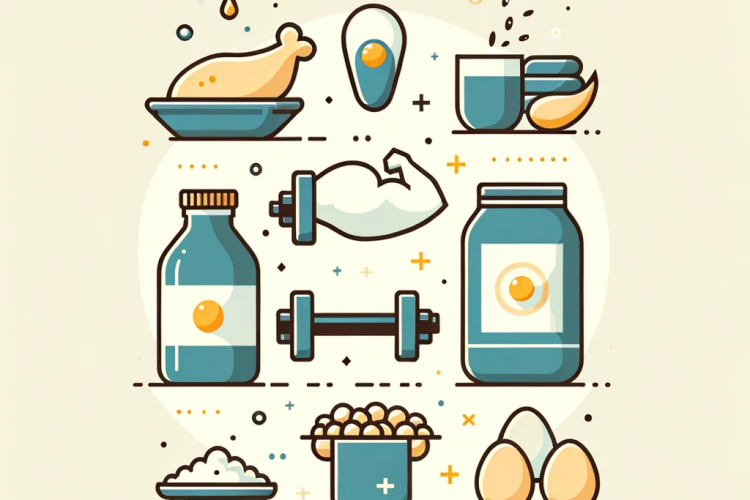
Muscle growth is a primary goal for fitness enthusiasts and athletes alike. A critical factor in achieving this is the consumption of adequate protein. Protein is the building block of muscles and plays a vital role in repairing and building muscle tissues. This guide explores various protein-rich foods essential for muscle gain.
Why Protein is Essential for Muscle Gain
Proteins are composed of amino acids, which are crucial for muscle repair and growth. After a strenuous workout, muscles undergo wear and tear and need protein for recovery and growth. Consuming protein-rich foods helps in quick recovery, reduces muscle loss, and promotes muscle hypertrophy (growth).
Animal-Based Protein Sources
1. Chicken Breast
- High in protein, low in fat.
- Versatile in recipes.
- Ideal for lean muscle gain.
2. Lean Beef
- Rich in high-quality protein, B-vitamins, and minerals.
- Contains creatine, which boosts muscle growth.
3. Eggs
- Complete protein source.
- Contains essential amino acids and choline.
- Easy to cook and incorporate into different meals.
4. Greek Yogurt
- Double the protein content of regular yogurt.
- Contains casein and whey proteins.
5. Fish: Salmon and Tuna
- High in protein and omega-3 fatty acids.
- Promotes muscle health and recovery.
Plant-Based Protein Sources
1. Quinoa
- Complete protein with all nine essential amino acids.
- High in fiber and minerals.
2. Lentils
- Protein-packed legume.
- Also a great source of carbohydrates.
3. Chickpeas and Beans
- High in protein and fiber.
- Versatile in recipes like salads, stews, and spreads.
4. Tofu and Tempeh
- Excellent plant-based protein sources.
- Great meat substitutes in various dishes.
5. Nuts and Seeds
- Almonds, chia seeds, flaxseeds, and pumpkin seeds.
- Good for snacking or as an addition to meals.
Combining Protein with Other Nutrients
While protein is critical for muscle gain, it should be balanced with carbohydrates and fats for overall health and energy. Complex carbs like whole grains and starchy vegetables provide the energy required for intense workouts, while healthy fats support overall wellness.
How Much Protein Do You Need?
The recommended dietary allowance (RDA) for protein is 0.8 grams per kilogram of body weight. However, for muscle gain, studies suggest consuming 1.6 to 2.2 grams of protein per kilogram of body weight. It’s essential to spread protein intake throughout the day for maximum absorption.
Conclusion
Incorporating a variety of protein-rich foods into your diet is crucial for muscle gain. Both animal-based and plant-based proteins have their unique benefits and can cater to different dietary preferences and requirements. Remember, a balanced diet coupled with consistent training is the key to achieving your muscle gain goals.