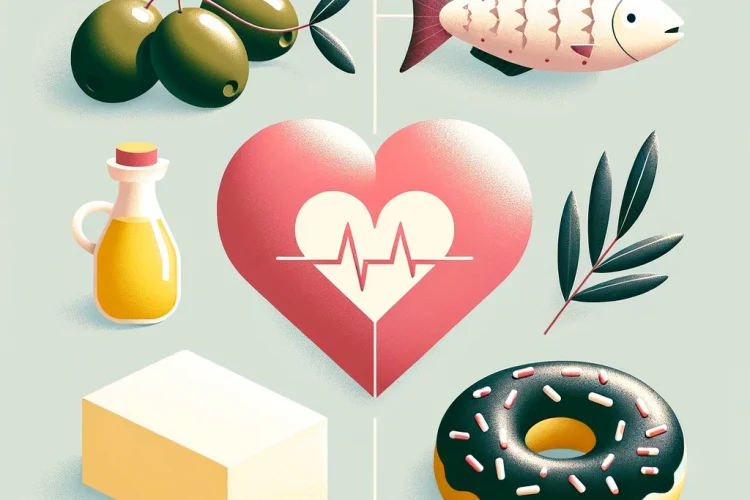
In the ever-evolving landscape of nutrition and wellness, fats have been both vilified and celebrated. This guide aims to demystify the role of fats in your diet, particularly in relation to heart health. By understanding which fats to include and which to limit, you can make informed choices that support your cardiovascular well-being.
The Good: Heart-Healthy Fats
Monounsaturated Fats (MUFAs)
Monounsaturated fats are your heart’s allies. Found in olive oil, avocados, and certain nuts, MUFAs help reduce bad cholesterol levels in your blood, lowering your risk of heart disease and stroke. Additionally, they provide nutrients to maintain healthy cells and are a good source of antioxidant vitamin E.
Polyunsaturated Fats (PUFAs)
Polyunsaturated fats include omega-3 and omega-6 fatty acids, essential fats your body can’t produce on its own. Omega-3s, found in fatty fish like salmon, mackerel, and sardines, are especially beneficial for heart health. They reduce triglycerides, lower blood pressure slightly, and can help prevent heart disease. Flaxseeds, walnuts, and canola oil are also good sources of omega-3s.
The Bad: Fats to Limit
Saturated Fats
Saturated fats are found in red meat, butter, cheese, and other animal products. While not as harmful as trans fats, consuming high amounts of saturated fats can increase your total cholesterol and tip the balance toward more harmful LDL cholesterol, which can block your arteries. The American Heart Association recommends limiting saturated fats to less than 6% of your total daily calories.
Trans Fats
Trans fats are the most harmful fats for your heart. They not only increase levels of bad LDL cholesterol but also lower good HDL cholesterol, creating a double whammy for heart health. Often found in processed foods, baked goods, and fried foods, trans fats are created through hydrogenation, which makes oils less likely to spoil. Always check food labels and avoid products with “partially hydrogenated oils.”
Balancing Your Fats: Practical Tips
- Cook with olive or canola oil instead of butter or lard.
- Eat more fish and less red meat.
- Choose low-fat or fat-free dairy products.
- Incorporate nuts and seeds into your diet, but be mindful of portion sizes as they are high in calories.
- Read labels carefully to avoid trans fats in processed foods.
- Balance your fat intake with other healthy foods like fruits, vegetables, and whole grains to ensure a well-rounded diet.
In conclusion, not all fats are created equal. By choosing your fats wisely and moderating your intake, you can enjoy delicious, nutritious foods while keeping your heart healthy. Remember, the key to a heart-healthy diet is not to eliminate all fats but to understand which fats support your health and which could harm it.