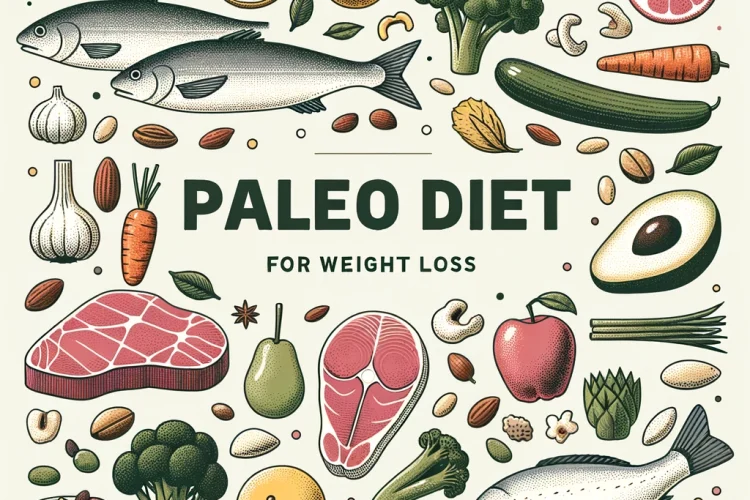
In a world where diet trends come and go, the Paleo Diet has managed to sustain its popularity and intrigue. Known for its focus on whole foods and its inspiration from the eating habits of our Paleolithic ancestors, the Paleo Diet has been both praised and criticized. But the question on many minds is: can it truly help you shed pounds? Let’s delve into the Paleo Diet’s principles, benefits, and the science behind its weight loss claims.
What is the Paleo Diet?
The Paleo Diet encourages consuming foods that would have been available to our hunter-gatherer ancestors. This includes lean meats, fish, fruits, vegetables, nuts, and seeds. It advises against foods that became common when farming emerged about 10,000 years ago. These include dairy products, legumes, and grains. The idea is that modern eating habits are out of sync with our biology and contribute to health problems like obesity, heart disease, and diabetes.
Can the Paleo Diet Help You Lose Weight?
Back to Basics
One of the fundamental reasons the Paleo Diet might aid in weight loss is its emphasis on whole, unprocessed foods. By cutting out high-calorie processed foods and sugars, you’re likely to reduce your overall calorie intake, which is essential for weight loss.
Protein Power
The diet’s high protein content, from sources like lean meats and fish, can also contribute to weight loss. Protein is known for its ability to increase satiety, reduce hunger, and preserve muscle mass during weight loss, making it a key component in effective weight loss strategies.
Low Carb Advantage
While not explicitly a low-carb diet, the Paleo Diet often results in lower carbohydrate consumption due to the exclusion of grains and processed sugars. This can lead to a reduction in insulin levels and encourage the body to burn fat for energy, potentially leading to weight loss.
The Science Speaks
Several studies have shown that the Paleo Diet can lead to significant weight loss and improved health. For instance, a study published in the “Journal of Diabetes, Obesity and Metabolism” found that participants on a Paleo Diet lost more weight and abdominal fat than those on other diets. Another study in the “European Journal of Clinical Nutrition” reported improvements in waist circumference and other health markers among Paleo Diet followers.
Considerations and Challenges
Despite its potential benefits, the Paleo Diet has its critics. Some argue that it may lead to nutrient deficiencies by excluding whole grains and legumes, which are sources of fiber, vitamins, and minerals. Additionally, the diet can be challenging to adhere to long-term due to its restrictive nature.
Conclusion
The Paleo Diet has the potential to aid in weight loss by emphasizing whole foods, high protein intake, and lower carbohydrate consumption. However, it’s important to approach it with balance and ensure you’re getting a wide range of nutrients. As with any diet, individual results may vary, and it’s beneficial to consult with a healthcare professional before making significant dietary changes.