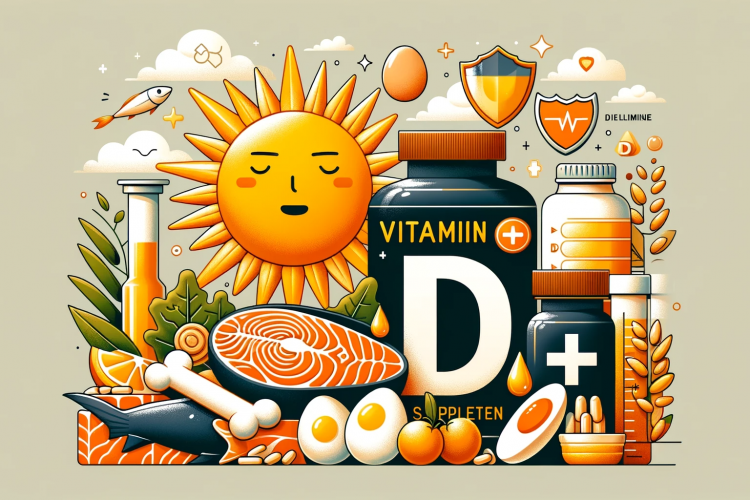
Vitamin D, often dubbed the “sunshine vitamin,” is crucial for maintaining overall health and well-being. This fat-soluble vitamin plays a vital role in various bodily functions, from bone health to immune system support. This guide delves into the benefits of Vitamin D and explores natural sources to ensure you’re getting enough of this essential nutrient.
What is Vitamin D and Why is it Important?
Vitamin D is unique because it can be synthesized in the skin through sunlight exposure and absorbed from certain foods or supplements. It’s essential for:
- Bone Health: Vitamin D aids in the absorption of calcium and phosphorus, essential minerals for maintaining strong bones and teeth.
- Immune Function: It supports the immune system, helping to fend off illnesses and infections.
- Muscle Function: Adequate Vitamin D levels are necessary for muscle strength and coordination.
- Mood Regulation: There’s evidence suggesting Vitamin D plays a role in regulating mood and warding off depression.
Sources of Vitamin D
- Sunlight: The easiest and most natural way to get Vitamin D is through sun exposure. Around 10-30 minutes of midday sun several times a week is usually sufficient for most people. However, this can vary based on skin tone, location, and time of year.
- Foods: While few foods naturally contain Vitamin D, some good sources include:
- Fatty fish (like salmon, mackerel, and tuna)
- Egg yolks
- Cheese
- Beef liver
- Foods fortified with Vitamin D, such as certain dairy products, orange juice, and cereals.
- Supplements: Vitamin D supplements are available for those who can’t get enough from sunlight and diet alone. These are especially important for individuals living in northern latitudes, during winter months, or those with limited sun exposure.
Recommended Daily Intake
The amount of Vitamin D you need depends on several factors, including age, skin color, location, and sun exposure. Generally, the Recommended Dietary Allowance (RDA) for adults is around 600-800 IU/day, but some experts suggest that a higher daily intake may be beneficial.
Risks of Vitamin D Deficiency
Vitamin D deficiency can lead to several health issues, including:
- Osteoporosis and fractures in adults
- Rickets in children
- Muscle weakness
- Increased risk of infection
- Possible links to chronic diseases such as cardiovascular disease and certain cancers
Conclusion
Vitamin D is a key player in maintaining good health. Ensuring adequate sun exposure, incorporating Vitamin D-rich foods into your diet, or considering supplementation are all effective ways to maintain optimal Vitamin D levels. As always, it’s important to consult with a healthcare provider before starting any new supplement regimen.
Disclaimer: This article is for informational purposes only and is not intended as medical advice. Always consult with a healthcare professional for health-related guidance.