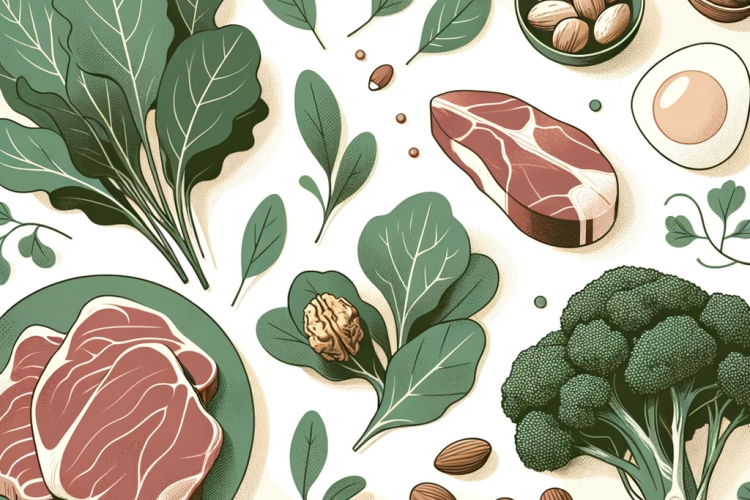
Embarking on a Paleo diet journey can be both exciting and a bit daunting. The Paleo diet, often known as the Caveman Diet, focuses on consuming foods that our Paleolithic ancestors might have eaten, such as meats, fish, nuts, leafy greens, regional veggies, and seeds. This guide aims to simplify your transition to a Paleo lifestyle, making it an enjoyable and sustainable change.
Understanding the Paleo Diet
Before diving in, it’s essential to understand what the Paleo diet entails. At its core, the Paleo diet is about returning to a way of eating that’s more like what early humans ate. The diet’s reasoning suggests that the human body is genetically mismatched to the modern diet that emerged with farming practices — an idea known as the discordance hypothesis.
Foods to Eat and Avoid
On the Paleo diet, you’ll focus on:
- Eating: Meat, fish, eggs, vegetables, fruits, nuts, seeds, herbs, spices, healthy fats and oils.
- Avoiding: Processed foods, sugar, soft drinks, grains, most dairy products, legumes, artificial sweeteners, vegetable oils, margarine, and trans fats.
Tips and Tricks for Starting a Paleo Diet
- Start Gradually: Don’t try to change everything overnight. Start by introducing more vegetables and meat into your diet while reducing processed foods and sugars.
- Meal Planning: Plan your meals ahead of time. This helps in avoiding the temptation of quick, non-Paleo options.
- Learn to Read Labels: Many processed foods contain hidden sugars and grains. Always read labels to ensure you’re staying true to the Paleo guidelines.
- Keep Healthy Snacks Handy: Nuts, carrot sticks, and fruits are great snacks that adhere to the Paleo diet.
- Explore New Recipes: There are countless Paleo-friendly recipes online that are both delicious and easy to make.
- Stay Hydrated: Drink plenty of water. Sometimes, what feels like hunger is actually dehydration.
- Focus on Whole Foods: The Paleo diet is about eating whole, unprocessed foods. The closer to nature, the better.
- Don’t Forget to Exercise: Our Paleolithic ancestors were constantly on the move. Incorporate regular physical activity into your routine to complement the diet.
- Get Creative with Substitutions: Find Paleo-friendly alternatives for your favorite non-Paleo foods. For instance, use almond flour instead of wheat flour, or cauliflower rice instead of regular rice.
- Be Prepared for Eating Out: When dining out, focus on meat and vegetable dishes, and be wary of hidden ingredients like sauces and dressings that might not be Paleo-friendly.
- Listen to Your Body: Everyone’s body responds differently. Pay attention to how your body reacts and adjust your diet accordingly.
- Community Support: Join Paleo diet forums or social media groups for motivation, support, and recipe ideas.
Conclusion
Starting a Paleo diet can be a significant shift in how you eat, but it doesn’t have to be overwhelming. By incorporating these tips and tricks, you can smoothly transition to a Paleo lifestyle and enjoy the health benefits that come with it. Remember, the key to success with any diet is consistency and willingness to adapt to what works best for your body. Welcome to your Paleo journey!
Note: As with any dietary change, it’s important to consult with a healthcare provider, especially if you have underlying health conditions.