In the quest for a healthier lifestyle and weight loss, finding an enjoyable and effective fitness routine is crucial. For many, cycling has emerged as a popular exercise of choice, offering a unique blend of adventure, fun, and intense workout. This article delves into the exciting world of cycling for weight loss and how it can be integrated with a tailored diet plan for optimum results. From shedding pounds with pedals to fueling your ride with healthy eating, we'll explore how to create a caloric deficit, the importance of protein intake, and diet choices from keto to vegan weight loss programs. We'll also delve into the synergy between cycling and diet, discussing the benefits of intermittent fasting, the Mediterranean diet, and the paleo diet for maximum weight loss. Whether you're a seasoned cyclist or a fitness novice, this comprehensive guide will provide valuable insights into a healthier, more active lifestyle.
1. "Shedding Pounds with Pedals: Cycling for Weight Loss and Diet Plans"
Shedding Pounds with Pedals: Cycling for Weight Loss and Diet Plans
In the journey towards weight loss and a healthier lifestyle, you've probably discovered that there's no magic pill or quick fix. The path to success often lies in the combination of regular physical activity and a balanced diet plan. One such activity that is gaining popularity for its myriad health benefits, including weight loss, is cycling.
Cycling is a low-impact exercise that can be easily incorporated into your daily routine. Whether you're cycling to work, hitting the trails on the weekend, or sweating it out on a stationary bike at the gym, you're not just burning calories but also improving your heart health, boosting your mood, and strengthening your legs.
Incorporating cycling into your weight loss plan can help create the caloric deficit needed for weight loss. Essentially, caloric deficit is when you burn more calories than you consume. This is the basic principle of weight loss. Cycling, with its high caloric burn rate, can effectively contribute to this deficit, aiding in weight loss.
However, exercise alone won't lead to significant weight loss. It's equally important to combine it with a healthy eating plan. There are numerous diet plans available that can complement your cycling routine.
The keto diet, known for its low-carb, high-fat regimen, can potentially increase your endurance while cycling, allowing you to work out for longer. On the other hand, the vegan weight loss plan, which focuses on plant-based foods, can provide the necessary nutrients to aid recovery after a cycling session.
Protein intake is critical in any diet plan, especially for those involving physical activity. A diet rich in protein not only helps repair and build muscles but also aids in weight loss by keeping you fuller for longer.
Intermittent fasting, another popular weight loss method, involves cycling between periods of eating and fasting. It can be combined with cycling for weight loss, provided the cycling sessions are timed correctly to ensure sufficient energy levels.
The Mediterranean diet, rich in fruits, vegetables, whole grains, and lean proteins, is another excellent option for cyclists. This diet is known for its heart health benefits, which is an added advantage for those engaging in cardiovascular activities like cycling.
The paleo diet, which mimics the eating habits of our Stone Age ancestors, focuses on whole foods like lean meats, fish, fruits, and vegetables. It can be an effective diet plan for cyclists looking to lose weight and build muscle strength.
Remember, everyone's body is unique, and what works for one person may not work for another. It's important to experiment with different diet plans and cycling routines to find what works best for you. Consult with a dietitian or a health professional to help tailor a plan to your specific needs and preferences.
Cycling for weight loss, when paired with a healthy diet plan, can make your weight loss journey more enjoyable and sustainable. So, get on that bike and pedal your way to better health.
2. "Fueling Your Ride: Healthy Eating, Protein Intake, and Diet Choices from Keto to Vegan"
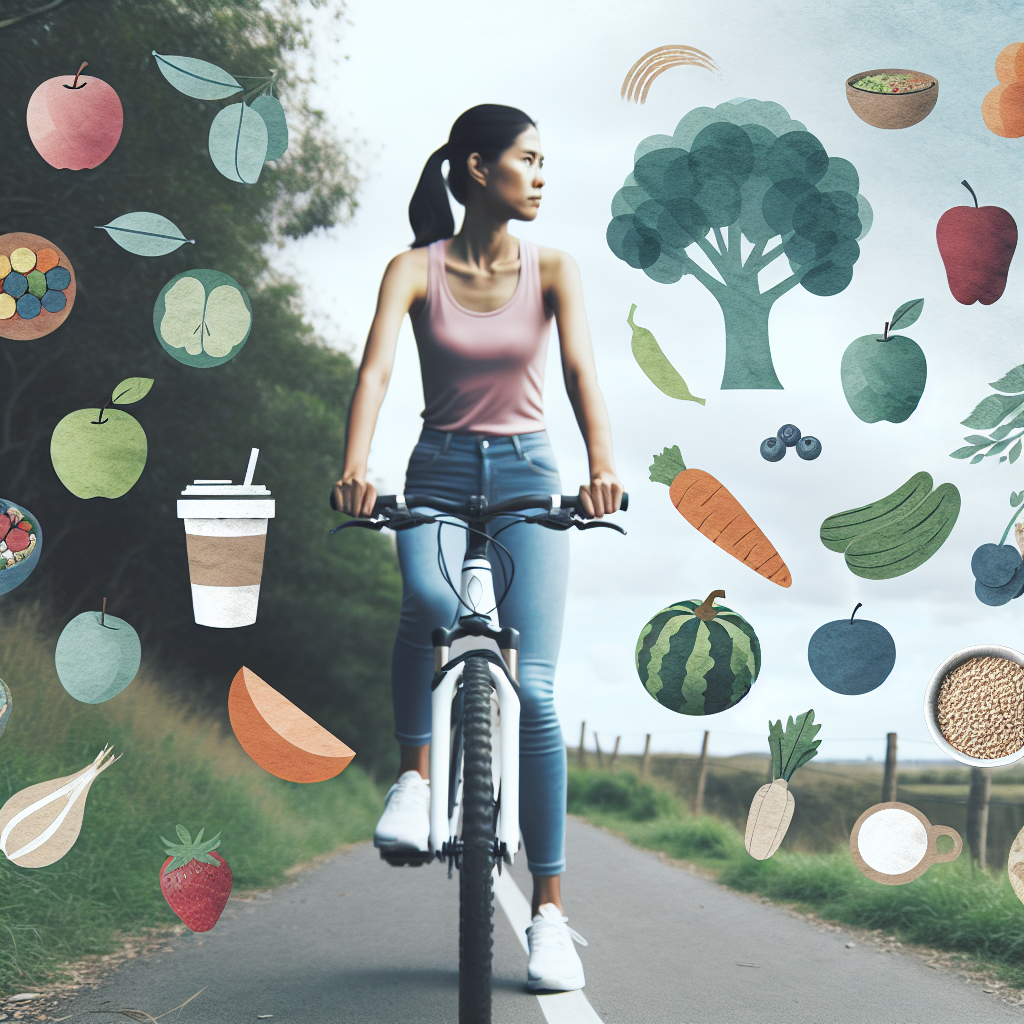
Maintaining a healthy lifestyle doesn't just involve exercise but also includes fueling your body with the right foods. Your diet plan plays an essential role in weight loss, and integrating cycling into your lifestyle can make a significant impact. But how do you fuel your rides effectively? It's all about healthy eating, adequate protein intake, and making informed diet choices, from keto to vegan.
Firstly, let's break down the concept of weight loss. When you consume fewer calories than you burn (a state known as a caloric deficit), you lose weight. Therefore, creating a balance between healthy eating and exercise is crucial. Cycling is a fantastic way to burn calories, but to maximize its effectiveness, you have to pair it with a balanced diet plan.
Protein is a vital part of any diet plan, especially for those who are active. It aids in muscle repair and recovery after a strenuous bike ride. The amount of protein intake needed varies depending on your weight, age, and how intense your physical activities are. In general, a protein-rich diet can include lean meats, fish, eggs, dairy products, legumes, nuts, and seeds.
Now, let's delve into some popular diets. The keto diet is high in fats and low in carbohydrates, forcing your body to burn fats rather than carbs. This might be ideal for cyclists as it can provide a long-lasting energy source in the form of ketones, which can be beneficial during long rides.
The vegan weight loss plan, on the other hand, excludes animal products and relies solely on plant-based foods. It's rich in fruits, vegetables, whole grains, and legumes, and has been linked to numerous health benefits, including weight loss.
Intermittent fasting, another popular method, involves cycling between periods of eating and fasting. This can also aid in weight loss and may help improve metabolic health.
The Mediterranean diet emphasizes fruits, vegetables, whole grains, legumes, and lean proteins, and it's highly regarded for its heart health benefits. Similarly, the paleo diet, which promotes eating whole foods and lean proteins while eliminating processed foods, can also aid in weight loss.
Each diet plan has its pros and cons, and it's essential to choose one that aligns with your lifestyle, preferences, and health goals. Remember, the goal is not just to lose weight, but to do it healthily and sustainably. Cycling, coupled with healthy eating, can be a fun and effective way to achieve your weight loss goals.
3. "Cycling and Diet Synergy: Intermittent Fasting, Mediterranean and Paleo Diets for Maximum Weight Loss"
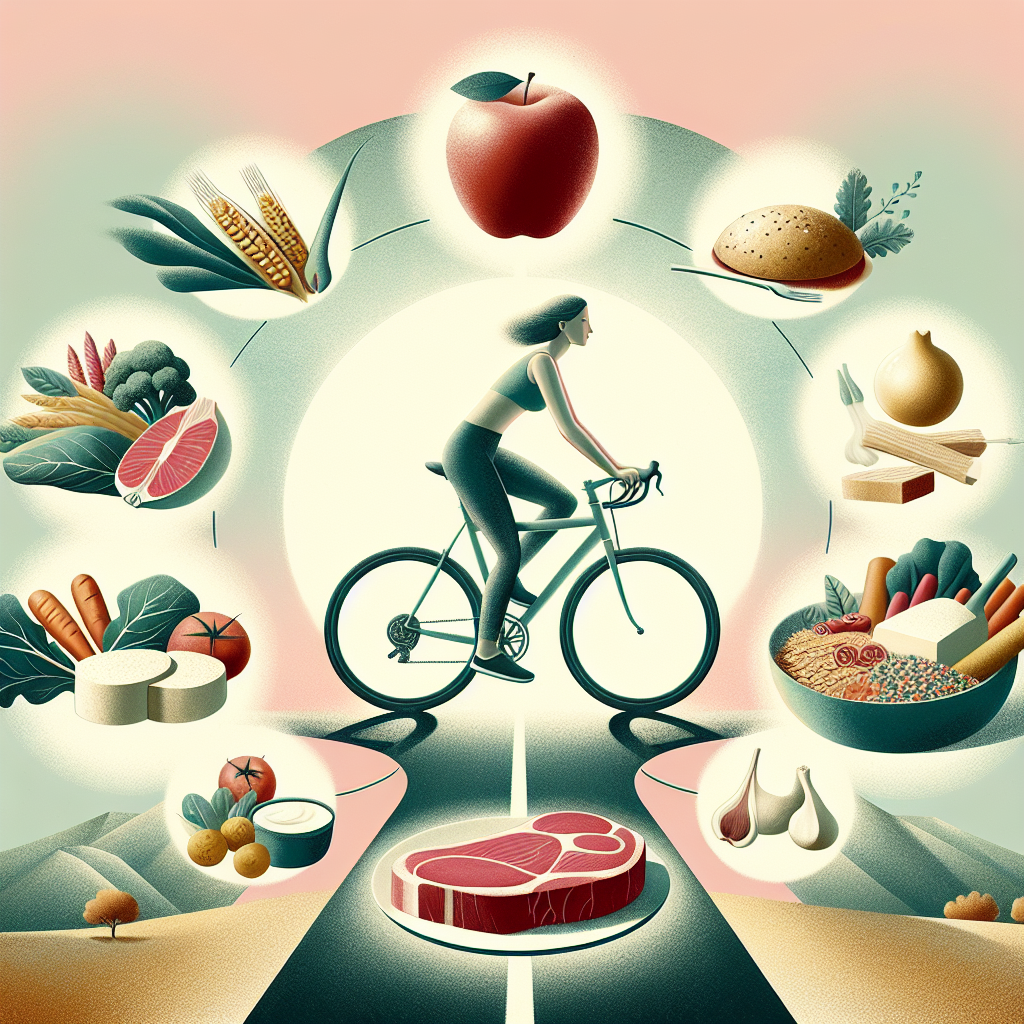
Cycling is an excellent form of exercise that can significantly contribute to your weight loss journey. However, coupling this physical activity with a well-balanced diet can truly maximize your results and transform your lifestyle. Whether you're following an intermittent fasting, Mediterranean or paleo diet, combining these diet plans with regular cycling can help create a caloric deficit, which is crucial for weight loss.
Intermittent fasting is a diet plan that alternates between eating and fasting periods. This diet plan can help you burn fat effectively and improve your metabolic health, which can further aid in weight loss. When coupled with cycling, it can help you burn more calories and achieve your weight loss goals quickly.
The Mediterranean diet is known for its heart-healthy benefits and is centered around plant-based foods, lean proteins, whole grains, and healthy fats. This diet is rich in fiber, which helps keep you satiated and prevents overeating. Coupling this nutritious and balanced diet with cycling can help you maintain a healthy weight and overall wellness.
The Paleo diet, on the other hand, encourages eating lean meats, fruits, vegetables, and nuts, similar to our ancestors from the Paleolithic era. This diet plan eliminates processed foods, promoting healthy eating and weight loss. Including cycling in your routine while following a paleo diet can help boost your metabolism, leading to a higher caloric deficit and promoting weight loss.
To further maximize your weight loss, it's essential to consider other diet plans like the keto diet or vegan weight loss programs. The keto diet is a high-fat, low-carb diet that puts your body into a metabolic state called ketosis, encouraging your body to burn fat for energy. Vegan weight loss programs focus on plant-based foods, which are naturally low in calories but high in nutrients.
Regardless of the diet plan you choose, maintaining an adequate protein intake is crucial. Protein helps repair the muscles worn out from cycling, and also keeps you full, reducing the chances of overeating.
In summary, combining regular cycling with well-balanced diet plans like intermittent fasting, Mediterranean, and paleo diets can significantly help in your weight loss journey. It's all about finding the right balance between physical activity and healthy eating, as they work in synergy to help you reach your fitness goals.
In conclusion, cycling offers an immensely beneficial and enjoyable avenue to achieving weight loss goals. It's more than just a form of exercise; it's a lifestyle that fosters healthy eating and a diet plan tailored to your individual needs. Whether you opt for a caloric deficit diet, a keto diet, or a vegan weight loss regime, cycling can be seamlessly integrated into your healthy lifestyle.
But the synergy doesn't end here. Cycling, paired with diet plans such as intermittent fasting, Mediterranean diet, or the Paleo diet, can lead to maximum weight loss results. It's about finding the right balance between physical activity and protein intake, ensuring the body receives enough fuel for the ride.
To live a healthy lifestyle, it's crucial to find a routine that fits your personal preferences, physical abilities, and dietary requirements. Whether it's shredding pounds with pedals or manipulating your diet for optimal health, the secret to weight loss lies in consistency and a commitment to overall wellbeing. So, grab your helmet, plan your diet, and get ready for a life-changing journey towards health through the refreshing and invigorating world of cycling.