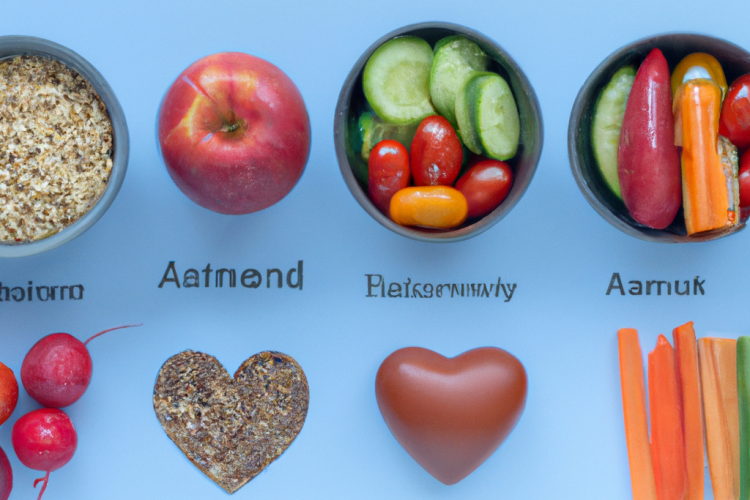
In today's fast-paced world, maintaining a healthy lifestyle is often easier said than done. However, prioritizing your heart health doesn't have to be overly complicated or time-consuming. With some simple dietary tweaks and conscious food choices, you can significantly boost your cardiovascular health and overall wellbeing. Whether you're already living a healthy lifestyle or are just beginning your journey, this comprehensive guide is designed to provide you with the necessary tools to make heart-healthy living a seamless part of your everyday life.
We'll explore a myriad of topics, from the best fruits for a heart-healthy breakfast to the role of omega-3 fatty acids in cardiovascular health, and from the benefits of a plant-based diet to the importance of balancing healthy fats. We will delve into the secrets of the Mediterranean diet, uncover the science of cholesterol, and demystify the DASH diet. We'll also provide practical tips for meal planning, grocery shopping, and eating out while prioritizing heart health.
In addition, we'll discuss how to reduce processed foods from your diet, understand the impact of sodium and sugar on your heart, and recognize the importance of fiber, antioxidants, and whole grains in maintaining a healthy heart.
Whether you're a busy professional, a student, a parent, or someone simply looking to improve their diet, this guide aims to empower you with knowledge and inspire you to make heart-healthy choices. So, let's embark on this journey toward better heart health together. After all, your heart is not just the core of your physical health, but it's also the engine that powers your life. Let's fuel it right!
1. "Optimizing Breakfast: The Best Fruits and Recipes for Boosting Heart Health"
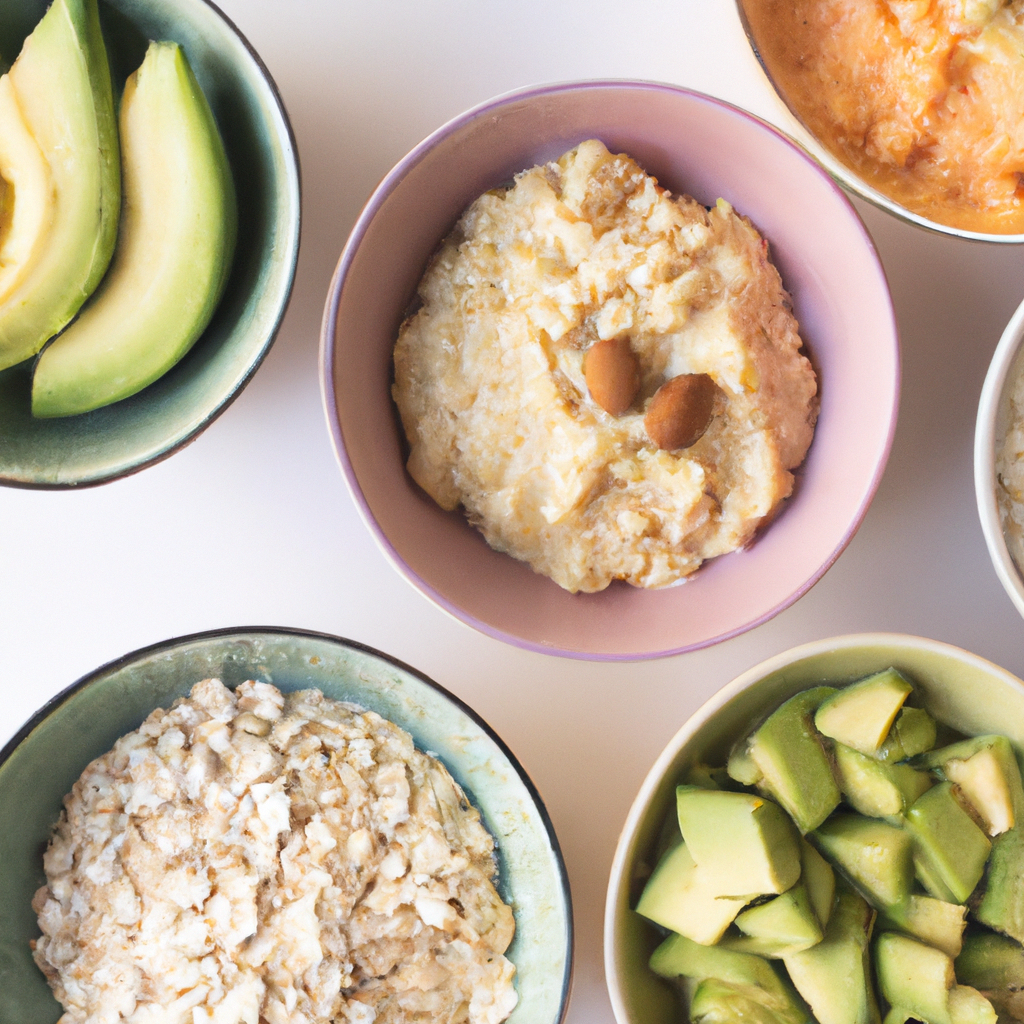
Breakfast is often termed as the most important meal of the day, and rightly so. It kick-starts your metabolism, helps burn calories throughout the day, and gives you the energy you need to get things done. However, its importance intensifies when you view it from the lens of heart health. Incorporating heart-healthy foods into your morning meal can set a healthy tone for the rest of the day.
Fruits, in particular, are an excellent choice for breakfast due to their high fiber, low calorie, and rich antioxidant content. Berries, such as blueberries, strawberries, raspberries, and blackberries, are packed with important nutrients and antioxidants that promote heart health. They are high in anthocyanins, which protect the heart by reducing inflammation and oxidative stress. Plus, they are a delicious addition to your breakfast, whether you choose to add them to your oatmeal, yogurt, or consume them in a smoothie.
Bananas, rich in potassium and fiber, help in maintaining heart health by lowering blood pressure levels. Citrus fruits like oranges and grapefruits are high in flavonoids, which have been linked to a reduced risk of ischemic stroke. They are also high in vitamin C, which has been linked with a lower risk of heart disease.
Avocados, often considered a fruit, are an excellent source of monounsaturated fats, which can help reduce levels of bad cholesterol – a significant contributor to heart disease. They are also packed with potassium, a nutrient that's crucial to heart health.
For heart-healthy breakfast recipes, consider a berry smoothie with almond milk and a spoonful of flaxseeds for added omega-3 fatty acids. You can also opt for a whole grain toast topped with avocado slices, a sprinkle of chia seeds, and a pinch of salt. This not only gives you a dose of healthy fats but also adds fiber to your meal.
A bowl of oatmeal, another whole grain, topped with your favorite fruits, nuts, and seeds makes for a hearty, heart-friendly breakfast. It's a great way to incorporate various heart-healthy foods into one meal. The Mediterranean diet, often hailed as one of the healthiest diets globally, also offers many breakfast options. A typical Mediterranean breakfast might include Greek yogurt topped with nuts and fruits or a slice of whole-grain bread with a drizzle of olive oil.
Moreover, following the Dietary Approach to Stop Hypertension (DASH) diet can also guide you towards heart-healthy breakfast choices. This diet emphasizes fruits, vegetables, whole grains, and lean protein – the very components of a heart-healthy breakfast.
Remember, maintaining cardiovascular health is not just about the foods you eat, but also about maintaining a balanced diet, regular exercise, and an overall healthy lifestyle. Including a variety of heart-healthy foods in your diet, managing your stress levels, and regular check-ups are essential steps towards optimal heart health.
2. "The Plant-Based Path to Cardiovascular Health: Vegetables, Grains, and More"
The journey to cardiovascular health often begins at the dinner table. When it comes to protecting your heart health, a plant-based diet can be a powerful tool. This diet focuses on foods primarily derived from plants, like fruits, vegetables, whole grains, legumes, nuts, and seeds.
Scientific studies have shown that a plant-based diet can help reduce the risk of heart disease and stroke. One of the key reasons is that these types of foods are rich in fiber, which helps to lower cholesterol levels. High cholesterol is a significant risk factor for heart disease, so eating a diet rich in fiber can be a heart-healthy choice.
Vegetables are an important part of a plant-based diet and are incredibly beneficial to heart health. They're packed with essential vitamins, minerals, and antioxidants that our bodies need to function properly. Antioxidants help combat harmful free radicals in the body, reducing inflammation and lowering the risk of heart disease.
Whole grains, another key component of a plant-based diet, are a rich source of fiber, along with other valuable nutrients like B vitamins, iron, folate, selenium, potassium, and magnesium. Each of these plays a role in maintaining heart health. For example, the fiber in whole grains can help reduce the amount of cholesterol absorbed into your bloodstream, reducing your risk of developing heart disease.
A plant-based diet is also rich in omega-3 fatty acids, which are known for their heart-healthy properties. These fatty acids help lower blood pressure, reduce clotting, and decrease stroke and heart failure risk. Foods like flaxseeds, chia seeds, and walnuts are great sources of plant-based omega-3 fatty acids.
Healthy fats are another crucial component of a heart-healthy diet. While it's important to limit saturated and trans fats, incorporating sources of monounsaturated and polyunsaturated fats can be beneficial. These healthy fats, found in foods like avocados, nuts, seeds, and olive oil, can help lower levels of harmful LDL cholesterol and increase beneficial HDL cholesterol.
The Mediterranean diet is a great example of a heart-healthy, plant-based diet. It emphasizes fruits, vegetables, whole grains, legumes, and healthy fats, along with moderate amounts of dairy and poultry.
The DASH diet (Dietary Approaches to Stop Hypertension) is another heart-healthy eating plan that promotes a variety of nutrient-rich foods and limits sodium, which can help manage or prevent high blood pressure.
Incorporating a plant-based diet into your lifestyle doesn't mean you have to completely eliminate meat or other animal products. Instead, it's about emphasizing more of the foods at the top of the food pyramid — vegetables, fruits, whole grains — and less of those at the bottom, like red meat and sweets. By choosing a plant-based diet, you're not just taking a step towards better heart health — you're investing in your overall health for years to come.
3. "Navigating Your Diet: Understanding Cholesterol, Sodium, and Healthy Fats for Heart Health"
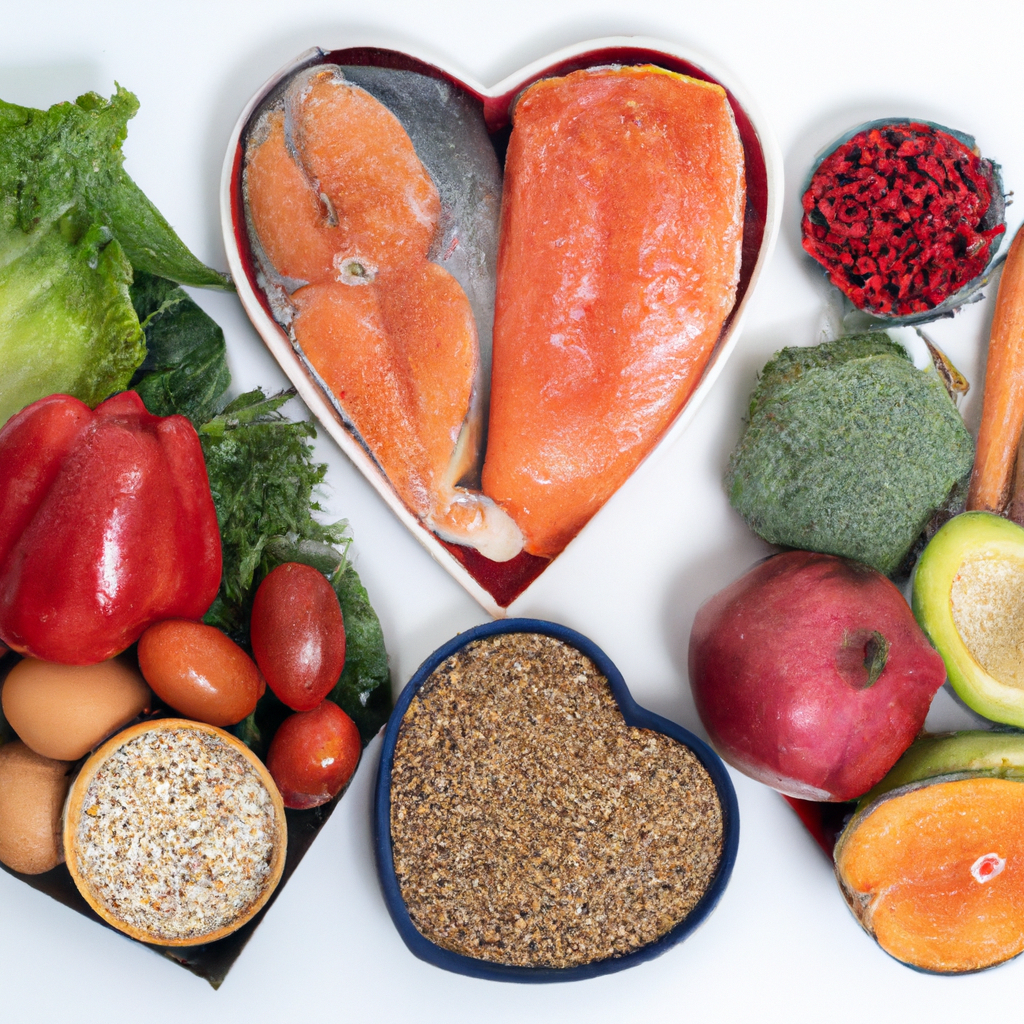
Navigating your diet for optimal heart health can sometimes seem like a confusing task with so many different nutrients and elements to consider. However, if you focus on three key areas, namely cholesterol, sodium, and healthy fats, you can make significant strides in improving your cardiovascular health.
Cholesterol, often misunderstood, plays a vital role in our bodies. It helps create hormones, vitamin D, and substances that help with digestion. But it's important to understand the difference between good (HDL) and bad (LDL) cholesterol. LDL cholesterol can build up in your arteries and cause heart disease. On the other hand, HDL cholesterol carries LDL cholesterol away from the arteries back to the liver, where it's broken down and removed from the body. Foods high in saturated and trans fats can raise your LDL levels. So, it's important to incorporate foods like whole grains, fruits, vegetables, and foods rich in omega-3 fatty acids like fish and nuts, which are known to help lower LDL levels and increase HDL levels.
Sodium, while necessary for the body's function, is often consumed in excess in many diets, leading to high blood pressure, a risk factor for heart disease. The DASH diet, an acronym for Dietary Approach to Stop Hypertension, is a plant-based diet that emphasizes fruits, vegetables, and low-fat dairy products. It also includes moderate amounts of whole grains, fish, poultry, and nuts, which are all low in sodium and beneficial for heart health.
Healthy fats are another crucial aspect of a heart-healthy diet. While the word "fat" often gets a bad rap, not all fats are created equal. Healthy fats, such as monounsaturated and polyunsaturated fats, can help reduce levels of harmful LDL cholesterol and increase beneficial HDL cholesterol. These healthy fats are a cornerstone of the Mediterranean diet, which has been widely recognized for its heart health benefits. Foods rich in these healthy fats include avocados, olive oil, and a variety of nuts and seeds.
Incorporating these elements into your daily diet can contribute significantly to improving your heart health. By understanding the role and impact of cholesterol, sodium, and healthy fats on your body, you can make informed dietary choices that not only benefit your heart but also contribute to your overall health and wellbeing. Remember, it's all about balance, moderation, and variety.
In conclusion, adopting a heart-healthy lifestyle isn't just about opting for a one-time diet change, but it's about making a long-term commitment to holistic lifestyle changes. By incorporating nutrient-rich, whole foods like fruits, vegetables, whole grains, omega-3 rich fatty acids, nuts, seeds, and legumes, you can greatly improve your heart health. It's critical to understand the effects of dietary components such as cholesterol, sodium, and healthy fats on your cardiovascular health.
Engaging in other heart-friendly practices such as maintaining a balanced diet, following plant-based diets like the Mediterranean and DASH diets, and incorporating regular physical activity, can result in significant improvements in your heart health. Additionally, it's crucial to be mindful of the impact of lifestyle factors like stress and sleep on heart health, and to manage these effectively.
Finally, remember that while a heart-healthy diet is important, it's equally essential to enjoy your food and remember that eating is not just about sustenance, but also about pleasure, culture, and celebration. So, here's to your heart health, and to a lifestyle that supports it in every possible way!