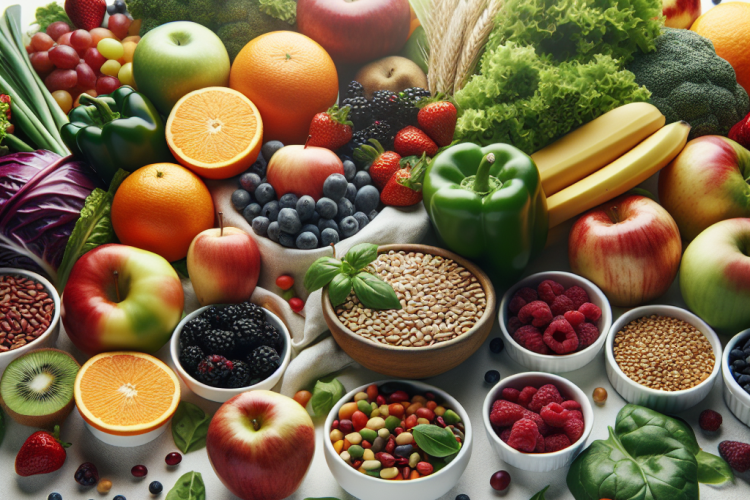
In today's health-conscious world, achieving a healthier lifestyle and overcoming weight loss challenges has become a common goal for many. However, navigating the vast universe of diet plans, from the high-fat keto diet to the plant-based vegan weight loss regime, can often seem overwhelming. This article aims to simplify this journey by offering insights into popular diet plans, discussing the importance of healthy eating and maintaining a caloric deficit, and exploring cutting-edge weight loss techniques like intermittent fasting.
Whether you're interested in the protein-rich paleo diet, the heart-healthy Mediterranean diet, or you're considering an innovative approach like intermittent fasting, we've got you covered. We unravel the secrets of each diet plan, help you balance your protein intake, and give you the tools to create a sustainable, healthy eating routine. By the end of this article, you'll have a better understanding of how to conquer weight loss challenges and embark on a successful journey towards a healthier you.
1. "Strategies to Overcome Weight Loss Challenges: Diet Plan Insights from Keto to Vegan"

Successfully overcoming weight loss challenges requires a strategic approach that incorporates a combination of healthy eating habits, lifestyle changes, and embracing a diet plan that best suits your nutritional needs and preferences. While some people may prefer a keto diet for rapid weight loss, others may opt for vegan weight loss strategies that focus on plant-based foods. Ultimately, the key to successful weight loss is achieving a caloric deficit, where you burn more calories than you consume.
One of the most effective ways to overcome weight loss challenges is by adopting a diet plan that aligns with your lifestyle and taste preferences. The keto diet, for instance, is a low-carb, high-fat diet that can boost fat burning and help you achieve your weight loss goals. By drastically reducing carbohydrate intake and replacing it with fat, your body is put into a metabolic state called ketosis, which is excellent for fat burning.
On the other hand, a vegan diet is another excellent weight loss strategy that focuses on plant-based foods. A well-planned vegan diet is rich in nutrients, fiber, and antioxidants, promoting a healthy body weight and reducing the risk of chronic diseases. Vegan weight loss strategies are all about consuming whole grains, fruits, vegetables, legumes, nuts, and seeds, which are low in calories but high in nutrients.
Another popular diet plan is intermittent fasting, which involves cycling between periods of eating and fasting. This diet plan not only promotes weight loss but also improves metabolic health. Intermittent fasting works effectively when combined with a healthy diet, regular exercise, and adequate sleep.
Similarly, the Mediterranean diet, known for its heart-healthy benefits, emphasizes fruits, vegetables, whole grains, legumes, fish, and olive oil. It's a balanced approach to eating that can help you lose weight while enjoying a variety of foods.
The Paleo diet, another popular diet option, focuses on foods that our hunter-gatherer ancestors would have eaten, including lean meat, fish, fruits, vegetables, nuts, and seeds. By eliminating processed foods, sugar, and dairy, the paleo diet can help you achieve a caloric deficit and support weight loss.
Regardless of the diet plan you choose, always remember to control your protein intake. Consuming enough protein can help reduce hunger and maintain muscle mass, which is important for overall health and weight loss.
In conclusion, overcoming weight loss challenges involves more than just dieting. It requires a holistic approach that includes healthy eating, regular physical activity, adequate sleep, and a positive mindset. By understanding your body's unique needs and adopting a suitable diet plan, you can successfully navigate the path to a healthier, fitter you.
2. "Healthy Eating and Caloric Deficit: Balancing Protein Intake in Paleo, Mediterranean and Vegan Weight Loss Diets"
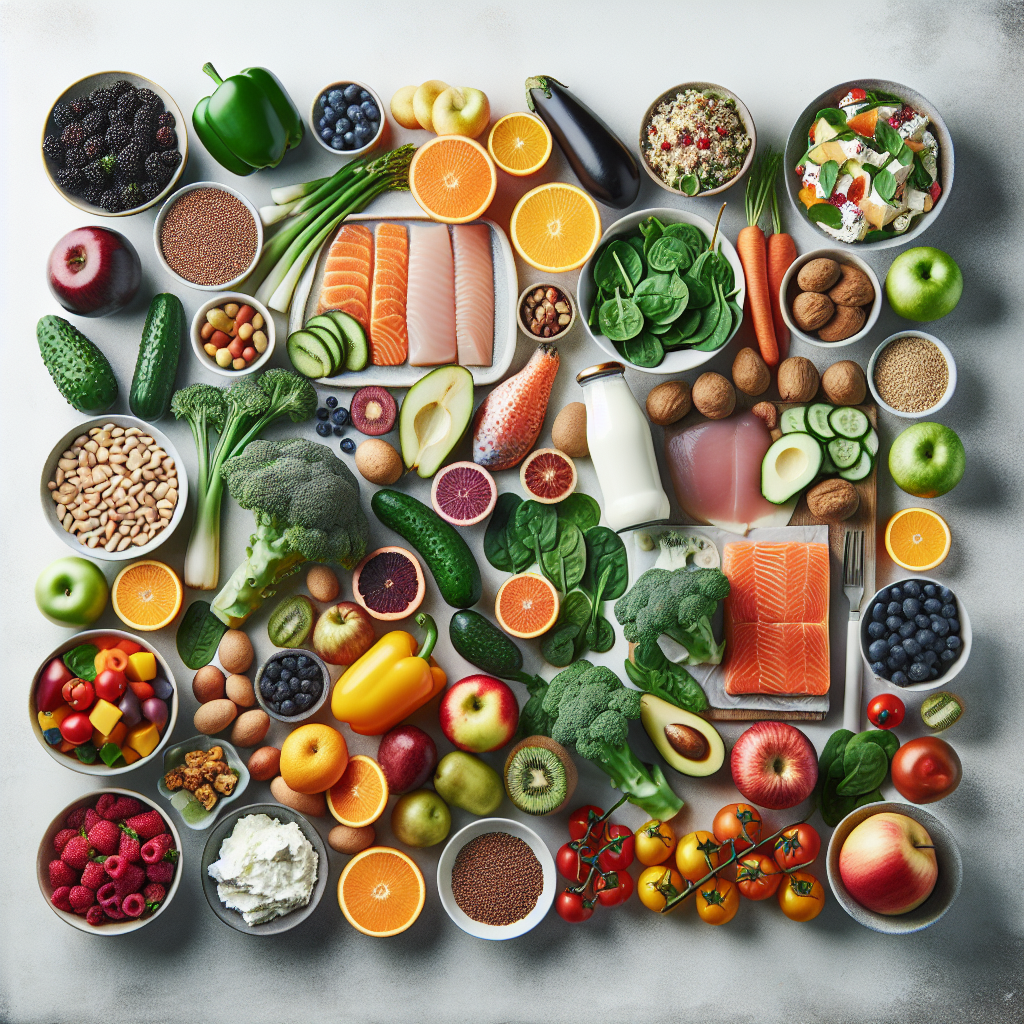
In our quest for weight loss and a healthier lifestyle, we often encounter common stumbling blocks that can derail our progress. One of the key aspects to successful weight loss is healthy eating combined with a caloric deficit. Achieving a balance between the two can be challenging, but by understanding the principles of different diet plans like the paleo diet, Mediterranean diet, and vegan weight loss plans, we can make more informed eating choices.
A caloric deficit, which is consuming fewer calories than your body uses, is essential in any weight loss plan. However, it's not just about consuming fewer calories but also ensuring that the calories you consume are from nutritious sources. This is where the concept of healthy eating comes into play. Different diet plans propose various ways to achieve this balance. Let's delve into the principles of the paleo diet, Mediterranean diet, and vegan weight loss plans.
The paleo diet, often referred to as the "caveman diet," encourages eating foods that our hunter-gatherer ancestors supposedly ate. This includes lean meats, fish, fruits, vegetables, nuts, and seeds. A paleo diet plan emphasizes high protein intake, which is crucial for weight loss as it can reduce cravings and boost metabolism. However, it's important to remember that while protein is essential, balance is key. Excessive protein intake without sufficient fruits and vegetables can lead to nutrient deficiencies.
The Mediterranean diet, on the other hand, is a balanced, heart-healthy diet that focuses on fruits, vegetables, whole grains, legumes, and lean proteins. It is renowned for its health benefits and has been linked to weight loss and improved heart health. In the Mediterranean diet, protein intake is balanced with a high intake of fiber, healthy fats, and antioxidants from plant-based foods. This diet plan is not just about weight loss; it's about long-term health and wellness.
Vegan weight loss plans have also gained popularity in recent years. A well-balanced vegan diet is rich in various nutrients and can lead to weight loss due to its naturally lower calorie content. However, protein intake can be a concern for some vegans. It's important to ensure your vegan weight loss plan includes a variety of protein sources such as lentils, chickpeas, tofu, and quinoa.
Regardless of the diet plan you choose, remember that weight loss ultimately comes down to maintaining a caloric deficit and making healthy eating choices. It's also crucial to incorporate other lifestyle changes such as regular exercise and adequate sleep. Some people may also find strategies like intermittent fasting or a keto diet beneficial.
Remember, there's no one-size-fits-all solution when it comes to weight loss. The best diet is the one that fits into your lifestyle and that you can maintain in the long term. Always consult with a healthcare professional or a dietitian before starting any new diet plan. With the right approach, you can overcome the challenges of weight loss and embark on a successful journey towards a healthier lifestyle.
3. "Intermittent Fasting and Other Effective Weight Loss Techniques: A Deep Dive into Keto and Mediterranean Diets"

Taking control of your weight is a journey that involves making consistent, healthy choices. It's a commitment to healthy eating, maintaining a caloric deficit, and incorporating suitable exercise. In order to help you navigate through the myriad of weight loss options, we're going to delve into a few popular techniques such as intermittent fasting, the keto diet, and the Mediterranean diet.
Intermittent fasting is a weight loss technique that focuses not on what you eat, but when you eat. The idea is to cycle between periods of eating and fasting, which can lead to a natural caloric deficit without the need to obsessively count calories. A popular method is the 16/8 method, where you only eat during an 8-hour window and fast for 16 hours. Studies have shown that intermittent fasting can be an effective weight loss tool, as it can lead to a reduction in overall calorie consumption without limiting what foods you can eat.
Next up is the keto diet. This diet plan is high in fats and low in carbs, and it works by forcing your body into a state of ketosis. When in this state, your body becomes incredibly efficient at burning fat for energy. It also turns fat into ketones in the liver, which can supply energy for the brain. The keto diet can cause significant reductions in blood sugar and insulin levels, which, coupled with the increased ketones, has numerous health benefits.
If you're looking for a more balanced diet plan, the Mediterranean diet could be the one for you. This diet is based on the traditional foods that people used to eat in countries like Italy and Greece back in 1960. Researchers noted that these people were exceptionally healthy compared to Americans and had a low risk of many lifestyle diseases. The Mediterranean diet encourages eating primarily plant-based foods, such as fruits and vegetables, whole grains, legumes, and nuts. It opts for healthy fats like olive oil over butter and herbs and spices instead of salt to flavor foods. Red meat is limited to a few times a month, while fish should be on the menu twice a week.
Each of these approaches to weight loss has its unique benefits and can be tailored to fit individual health goals and lifestyles. Whether you're drawn to the flexibility of intermittent fasting, the fat-burning power of the keto diet, or the balanced, whole-food focus of the Mediterranean diet, the key to effective weight loss is consistency. Remember that maintaining a healthy diet plan is a lifelong commitment, not a short-term fix. It's about making sustainable changes to your eating habits that you can stick to in the long run.
There are other diet plans such as the paleo diet and vegan weight loss diets that you can consider as well. Regardless of the diet plan you choose, remember that sustainable weight loss is achieved by maintaining a balanced diet, regular exercise, and a healthy lifestyle. Consider also your protein intake, as proteins are the building blocks of life and a high-protein diet can also aid in weight loss.
In conclusion, the journey to weight loss might be challenging, but with the right information and a lot of determination, you can overcome the hurdles and reap the rewards of a healthier lifestyle.
In conclusion, the journey towards weight loss and adopting a healthier lifestyle is filled with challenges but is equally rewarding. Implementing a diet plan that aligns with your goals, whether it be a keto diet, paleo diet, Mediterranean diet, or a vegan weight loss plan, is crucial in this journey. Understanding the intricacies of these diets, their advantages, and potential pitfalls, can significantly improve your chances of success.
Balancing protein intake and maintaining a caloric deficit through healthy eating habits is key, no matter which diet you choose. Remember, no diet is a one-size-fits-all solution. It's crucial to listen to your body and adjust your diet plan based on your body's response. Intermittent fasting has emerged as an effective weight loss technique that can be incorporated into various diet plans, including the keto and Mediterranean diets.
Health and well-being are not destinations, but ongoing journeys. By overcoming weight loss challenges, you're setting yourself up for a lifetime of improved health and well-being. Make informed decisions, be consistent, and most importantly, be patient with your progress. Embrace the journey and the transformation will follow. Remember, the goal isn't just to lose weight, but to gain a healthy and sustainable lifestyle.