In today's fast-paced world, maintaining a healthy lifestyle is a priority for many. This is especially true for the 20-40 age demographic, who are increasingly focused on achieving their weight loss goals. However, the path to a healthier version of ourselves is often fraught with obstacles, one of the most challenging being dealing with hunger pangs while dieting. This article aims to guide you on how to manage these hunger pangs effectively and maintain your caloric deficit without compromising your health or well-being.
In the upcoming sections, we'll explore how to curb your hunger pangs during your weight loss journey, and how understanding your chosen diet plan – be it Keto, Vegan, Mediterranean, or Paleo – can help you navigate hunger more effectively. We'll delve into the nuances of healthy eating, and discuss how intermittent fasting and protein intake play a significant role in managing hunger pangs.
Whether you're a proponent of the Keto diet, a follower of Vegan weight loss methods, or an enthusiast of the Mediterranean or Paleo diet, this article offers valuable tips and insights to help you stay on track. The goal is to help you enjoy the benefits of your diet plan, maintain a healthy eating routine, and ultimately achieve your weight loss goals without the constant battle with hunger. So, let's begin our journey towards a healthier, happier you.
1. "Maintaining a Caloric Deficit: How to Curb Hunger Pangs During Weight Loss Journey"
Embarking on a weight loss journey often involves adhering to a diet plan and maintaining a caloric deficit, which can sometimes be accompanied by hunger pangs. However, dealing with these hunger pangs doesn't have to be a grueling part of your journey to a healthier lifestyle. Here are some strategies to curb those hunger pangs and keep you on track.
The first step involves mapping out a healthy eating plan that suits your lifestyle and dietary preferences. There's a plethora of diet plans to choose from, such as the keto diet, vegan weight loss diet, Mediterranean diet, or paleo diet. Each diet has its unique benefits and is designed around different food groups. For instance, the keto diet encourages a low-carb, high-fat intake, while the paleo diet focuses on lean proteins and plant-based foods. It's essential to research and understand the underlying principles of each diet before incorporation into your lifestyle.
Maintaining a caloric deficit is central to weight loss, but it's crucial to ensure that you're not starving your body of necessary nutrients. Consuming nutrient-dense food is key. A diet rich in fiber, for example, can keep you feeling full for longer periods. Foods high in protein are also known to curb hunger pangs. Therefore, regulating your protein intake can be a beneficial strategy in your weight loss journey.
Intermittent fasting, another popular weight loss method, involves cycling between periods of eating and fasting. The fasting period can be an effective way to maintain a caloric deficit, but it's essential to manage your hunger pangs during this time to prevent overeating during your eating windows. Drinking plenty of water and green tea can help curb your appetite during fasting periods.
Remember, the goal is not to completely eliminate your hunger, but rather to manage it effectively. You should aim to feel satisfied after meals and not excessively hungry between them. Understanding the difference between physical hunger and emotional hunger can also be helpful in managing your hunger pangs.
Finally, remember that every individual's weight loss journey is unique. What works for one person may not work for another. It's essential to listen to your body and adjust your diet plan accordingly. Seek professional advice if needed, and above all, remember that maintaining a healthy lifestyle is a lifelong commitment, not a temporary phase. Your journey to weight loss is a journey to improved overall health and well-being.
2. "Understanding Your Diet Plan: Navigating Hunger on Keto, Vegan, Mediterranean, and Paleo Diets"
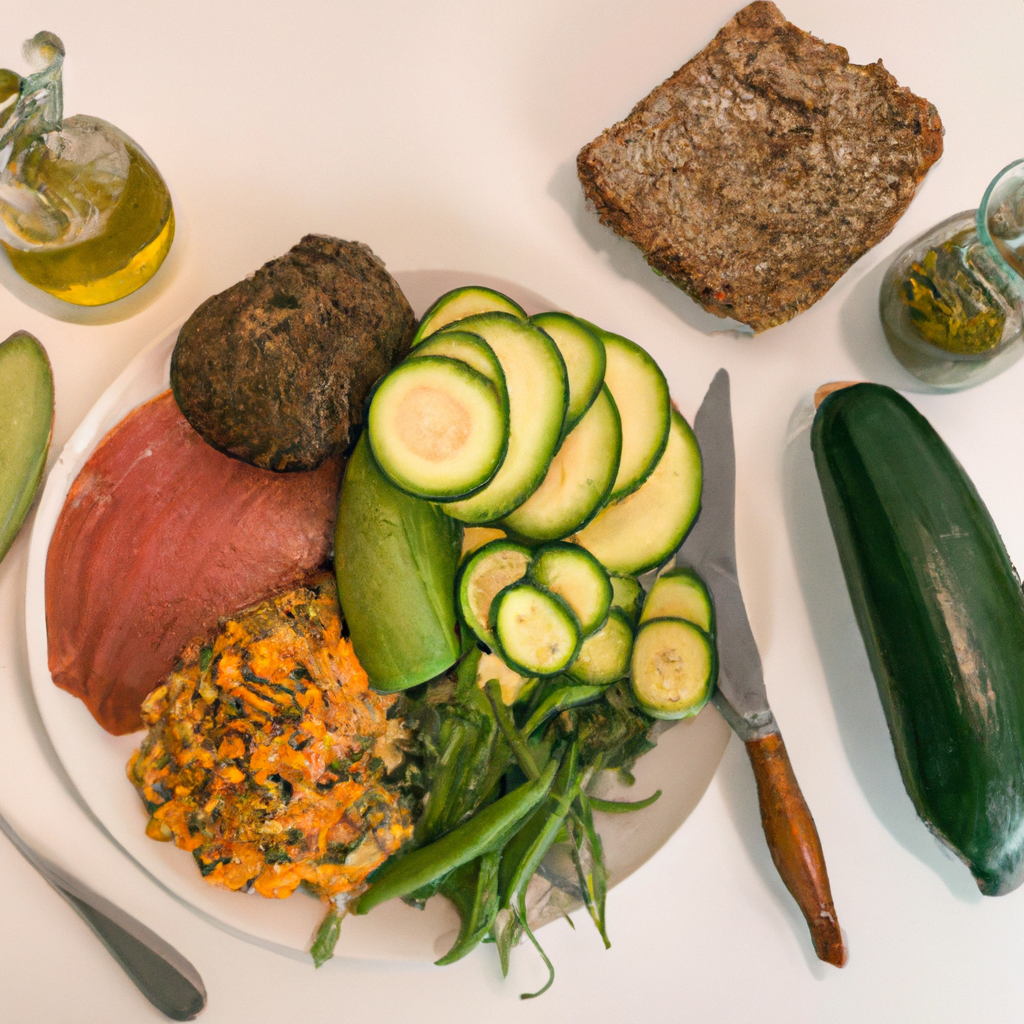
Understanding Your Diet Plan: Navigating Hunger on Keto, Vegan, Mediterranean, and Paleo Diets
Embarking on a journey toward a healthy lifestyle often involves adopting a diet plan tailored to your weight loss goals. However, dealing with hunger pangs during this journey can be a challenge. To successfully navigate hunger while on Keto, Vegan, Mediterranean, or Paleo diets, it's essential to grasp the fundamental principles behind these diets and understand how to leverage them to control hunger pangs while ensuring healthy eating.
The Keto diet, or Ketogenic diet, is a high-fat, low-carb diet plan that aims to shift your body into a state of ketosis, where it burns fat for energy instead of carbohydrates. Consuming fewer carbs can initially lead to hunger pangs, but increasing your protein intake and consuming healthy fats can help. Foods like avocados, nuts, and seeds or proteins like eggs and fish can keep you satiated for longer periods, aiding in weight loss and preventing hunger pangs.
On the other hand, a Vegan diet eliminates all animal products, focusing mainly on plant-based foods. Vegan weight loss can be achieved by consuming high-fiber foods like fruits, vegetables, whole grains, and legumes, which are not only low in calories but also keep you feeling full. It's also vital to maintain a balanced protein intake from plant sources to control hunger.
The Mediterranean diet, inspired by the eating habits of people living around the Mediterranean Sea, emphasizes fruits, vegetables, whole grains, legumes, and olive oil, with moderate consumption of fish and poultry. This diet is naturally high in fiber and healthy fats, helping you maintain a caloric deficit without feeling constantly hungry.
The Paleo diet, also known as the 'Caveman diet', involves consuming foods that were supposedly available to our Paleolithic ancestors. This includes lean meats, fish, fruits, vegetables, nuts, and seeds. Like the Mediterranean diet, the Paleo diet is high in protein and fiber, which can help control hunger pangs.
Lastly, consider incorporating intermittent fasting into your diet plan. This eating pattern alternates between periods of eating and fasting, which can help create a caloric deficit for weight loss. However, it's crucial to listen to your body and eat nutritious foods during your eating windows to prevent extreme hunger during fasting periods.
Remember, every individual's body reacts differently to diet plans. It's essential to understand your body's needs and adjust your diet accordingly. Always aim for a balanced diet that prioritizes nutrient density over calorie counting. After all, the goal is not just weight loss but also long-term health and well-being.
3. "Intermittent Fasting and Protein Intake: Key Strategies for Healthy Eating and Managing Hunger Pangs"
With the rising trend of fitness consciousness, many individuals aged 20-40 are seeking effective strategies to maintain a healthy lifestyle and manage their weight. One of the most challenging aspects of a diet plan is dealing with hunger pangs, which often lead to snack indulgence and deviation from the healthy eating path. However, strategies like intermittent fasting and regulated protein intake can be game-changers in your weight loss journey.
Intermittent fasting, a popular diet plan, involves cycling between periods of eating and fasting. This method doesn't specify which foods to eat but rather when you should eat them. The practice can aid in weight loss and improve metabolic health. It works by reducing your eating window, consequently helping you maintain a caloric deficit, which is crucial for weight loss.
Intermittent fasting can be paired with a diverse range of diets like the Mediterranean diet, paleo diet, or even the keto diet, depending on your nutritional needs and preferences. For vegan weight loss, for instance, you can pair intermittent fasting with plant-based foods that provide the essential nutrients.
Protein intake is another critical factor in managing hunger pangs. High protein foods provide satiety, reducing hunger and helping you eat fewer calories. This is particularly beneficial if you're following a diet plan aimed at weight loss. Whether you're on a keto diet, where protein intake is moderate, or a paleo diet, which includes lean proteins, prioritizing protein in your meals can help manage hunger pangs.
For vegans, sources of protein include lentils, chickpeas, tofu, and seitan, among others. For those on a Mediterranean diet, fish, lean meats, and dairy are valuable protein sources. Regardless of the diet you choose, ensuring adequate protein intake can help curb hunger pangs, making your weight loss journey smoother and more manageable.
These two strategies—intermittent fasting and protein intake—can revolutionize your relationship with food, making healthy eating an enjoyable and sustainable part of your lifestyle. Remember, the goal is not deprivation, but rather adopting eating habits that support your health and weight loss objectives.
In conclusion, while hunger pangs can be a challenge when maintaining a diet plan, strategies like intermittent fasting and protein intake can help manage them effectively. By choosing a diet—be it keto, paleo, Mediterranean, or vegan—that aligns with your lifestyle and nutritional needs, you can navigate your weight loss journey with more ease and success.
In conclusion, managing hunger pangs while maintaining a healthy lifestyle and pursuing weight loss is not an insurmountable challenge. A caloric deficit is crucial for weight loss, but it's equally important to understand how to curb hunger pangs during this journey. Familiarizing yourself with your diet plan, whether it's a keto diet, vegan weight loss strategy, Mediterranean diet, or paleo diet, can help you navigate hunger successfully.
Healthy eating is more than just about losing weight; it's about nourishing your body and maintaining a balanced lifestyle. Intermittent fasting and protein intake are key strategies that can assist in managing hunger pangs by prolonging the feeling of satiety and providing the body with necessary nutrients. Remember that every person's body is unique, and it's essential to listen to your body's needs and adjust your diet plan accordingly.
Achieving your weight loss goals is a marathon, not a sprint. It requires persistence, patience, and a positive mindset. So, the next time you experience hunger pangs, don't see it as a setback, but rather an opportunity to reinforce your healthy eating habits and continue on your pathway to a healthier lifestyle.