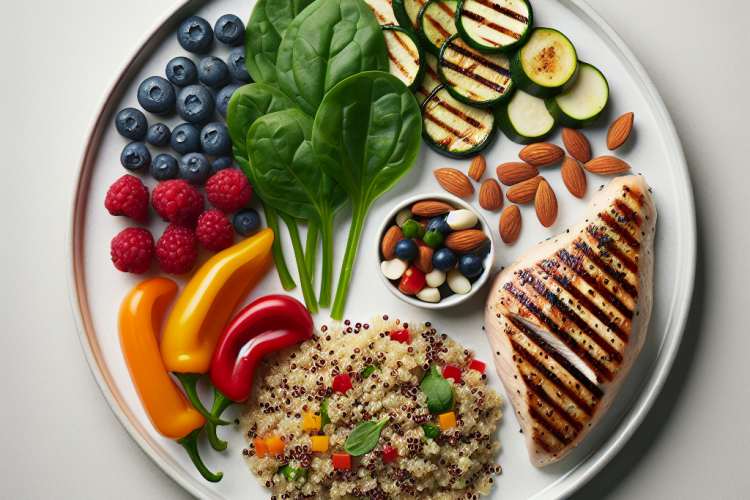
In the quest for a healthier lifestyle, understanding the role of diet in managing blood sugar levels should be your paramount concern, especially if you're living with diabetes or aiming to prevent it. Welcome to the 'Ultimate Guide to Low Glycemic Index Foods', a comprehensive resource designed to help you navigate the landscape of a diabetic diet and optimize your blood sugar management.
From unearthing the power of whole grains and healthy fats in combating insulin resistance to exploring the benefits of low glycemic index foods in keeping your diabetes in check, we will delve into the essentials of nutrition for optimal health. Also, we'll guide you through practical aspects of meal planning for diabetes, with a wealth of diabetes-friendly recipes, tempting sugar-free desserts, and an easy-to-follow guide to carbohydrate counting.
This article aims to empower you with knowledge and tools to take control of your health by making informed dietary choices. So, whether you're newly diagnosed with diabetes, seeking ways to prevent it, or just looking to lead a healthier life, read on to discover how the right foods can help you achieve your health goals.
1. "Mastering Blood Sugar Management: The Role of Low Glycemic Index Foods in a Diabetic Diet"
Managing your blood sugar levels is a crucial aspect of maintaining a healthy lifestyle, especially for those living with diabetes. A well-planned diabetic diet plays a pivotal role in blood sugar management. Central to this is understanding the concept of the low glycemic index (GI) and incorporating low GI foods into your meal planning for diabetes.
The glycemic index measures how quickly certain foods raise blood sugar levels. Foods with a low glycemic index are digested and absorbed at a slower pace, leading to a gradual rise in blood sugar levels rather than a spike. This makes them an essential part of a diabetic diet and an effective tool for blood sugar management.
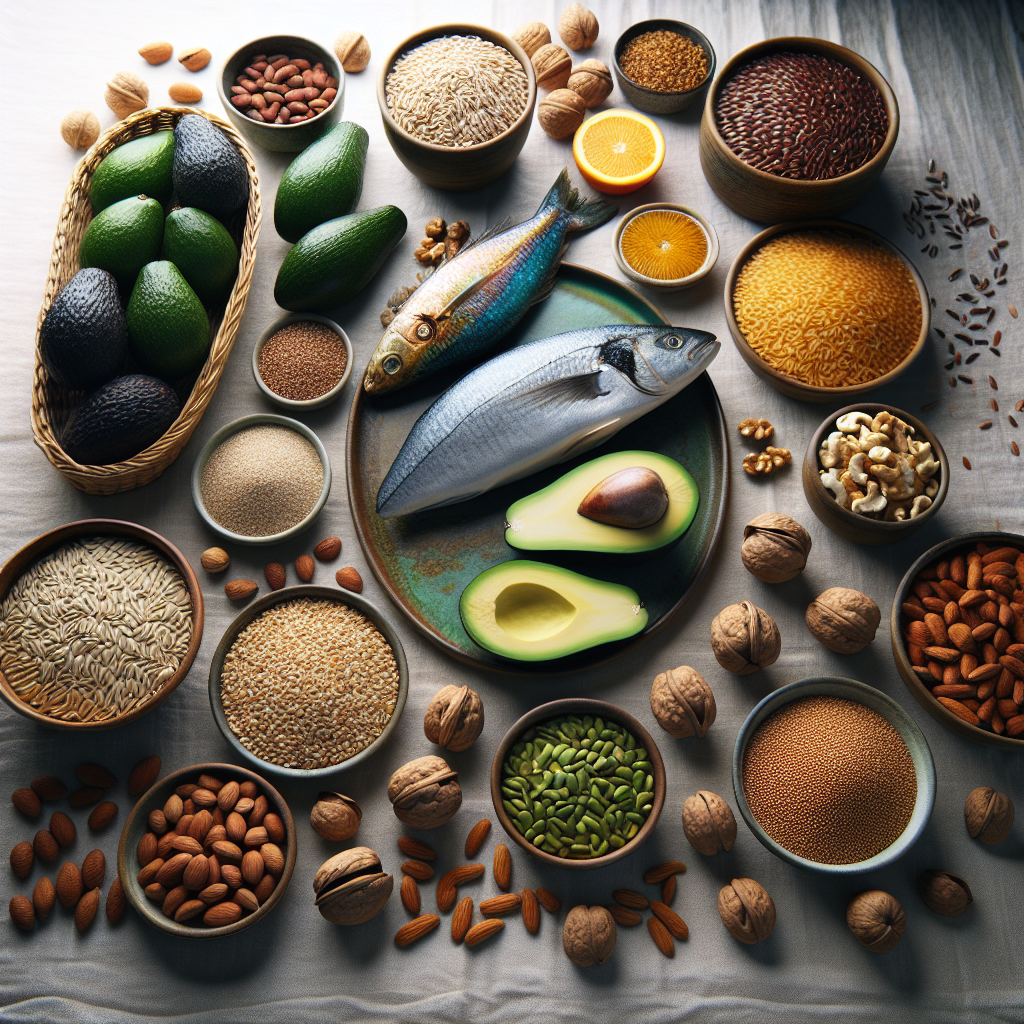
One of the most important food groups in a low GI diet are whole grains. Unlike their refined counterparts, whole grains are rich in fiber which slows down the digestive process, thus maintaining stable blood sugar levels. Whole grain foods like brown rice, oatmeal, whole grain bread, and quinoa are not only low in GI but also packed with essential nutrients, making them perfect for a diabetic diet.
Healthy fats are another significant part of a low glycemic diet. Monounsaturated and polyunsaturated fats found in foods like avocados, nuts, fish, and olive oil can help reduce levels of "bad" LDL cholesterol and increase "good" HDL cholesterol. They also help slow down digestion, which can prevent blood sugar spikes and contribute to better blood sugar management.
Incorporating low GI foods into your meal plan doesn't mean you have to compromise on taste. There are plenty of diabetes-friendly recipes available that use low GI ingredients to create delicious and nutritious meals. From hearty main courses to sugar-free desserts, you can satisfy your palate while keeping your blood sugar levels in check.
Remember, while low GI foods are beneficial for blood sugar management, portion control and carbohydrate counting are equally important. Overeating, even of low GI foods, can result in weight gain and higher blood sugar levels.
Insulin resistance, a condition where the body's cells become resistant to the effects of insulin, is a common issue in diabetes. A diet rich in low GI foods can help combat insulin resistance by providing a steady energy supply and preventing rapid blood sugar spikes.
In conclusion, low glycemic index foods are a crucial component of a diabetic diet and play a primary role in blood sugar management. By incorporating whole grains, healthy fats, and other low GI foods into your meal plans, and by practicing portion control and carbohydrate counting, you can take significant strides towards managing your diabetes effectively.
2. "The Power of Whole Grains and Healthy Fats: How They Impact Insulin Resistance and Diabetes"
Embracing a healthy lifestyle is not just about physical fitness; it's also about nourishing your body with nutrient-rich foods. For those aiming to manage diabetes, blood sugar management is crucial. It's here that the power of whole grains and healthy fats come in, particularly in the context of a diabetic diet.
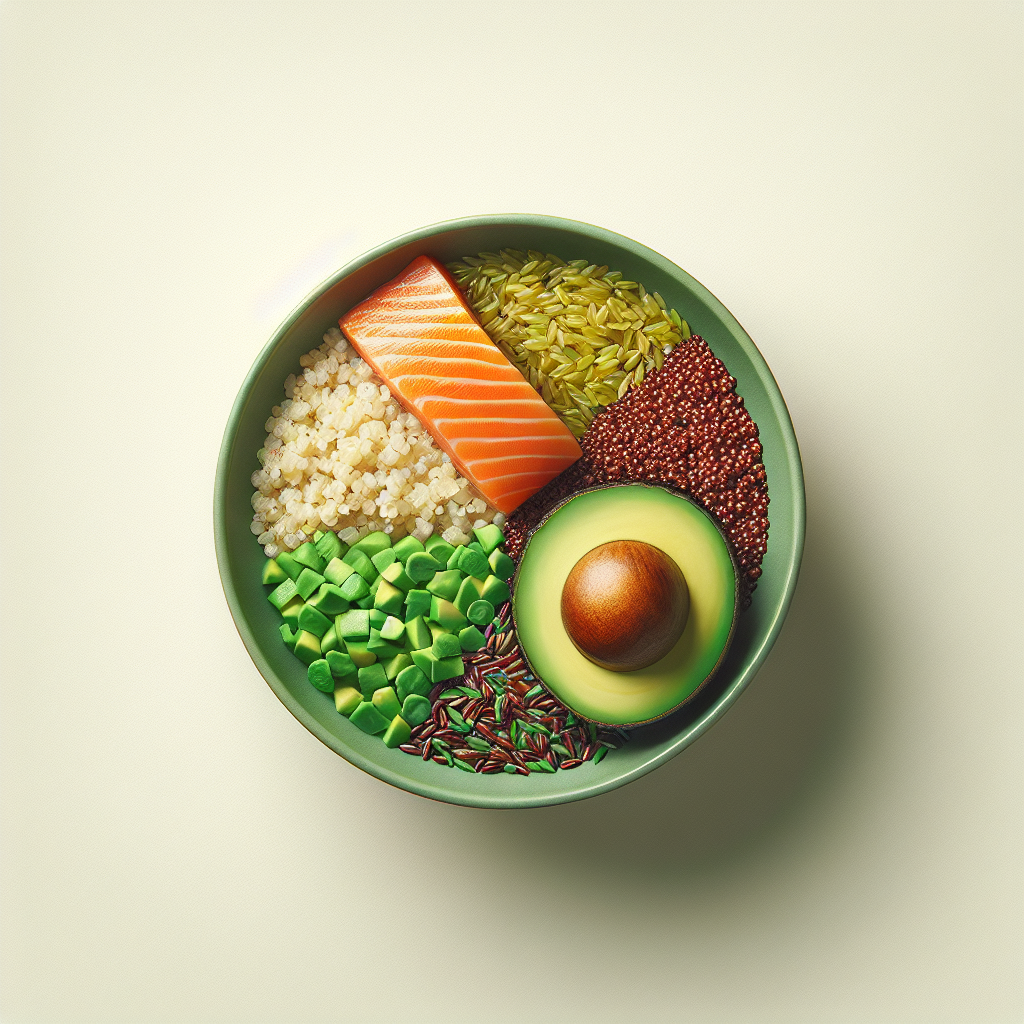
Whole grains are a powerhouse of nutrients. They are rich in fiber, protein, B vitamins, antioxidants, and trace minerals (iron, zinc, copper, and magnesium). Studies suggest that including whole grains in your diet can significantly lower the risk of developing insulin resistance and diabetes. The fiber content in whole grains slows down the digestion process, which subsequently leads to a slower release of glucose. This helps in maintaining steady blood sugar levels, making whole grains a low glycemic index food choice.
Healthy fats, on the other hand, play an equally significant role in a diabetic diet. Monounsaturated and polyunsaturated fats help reduce levels of "bad" LDL cholesterol and increase "good" HDL cholesterol. Foods rich in these healthy fats include avocados, nuts, seeds, and fish like salmon and mackerel. Including these in your meal planning for diabetes can contribute to improved heart health and enhanced blood sugar management.
However, it's essential to remember that while whole grains are beneficial, not all grains are created equal. Opt for grains in their whole, unprocessed form. Foods like brown rice, oatmeal, quinoa, and whole grain bread or pasta are excellent choices. Similarly, while healthy fats are encouraged, they should be balanced with other components of your diet.
Carbohydrate counting is another crucial aspect of a diabetic diet. It helps to understand how much carbohydrate is in the food you eat and how it affects your blood sugar. Combining this knowledge with diabetes-friendly recipes can help you maintain a balanced and healthy diet.
From sugar-free desserts that satisfy your sweet cravings, to hearty main dishes packed with whole grains and healthy fats, there are plenty of delicious ways to keep your blood sugar levels in check.
In conclusion, relying on low glycemic index foods like whole grains and incorporating healthy fats into your diet can help manage diabetes effectively. It can also lead to an overall healthier lifestyle. So, why wait? Start exploring new recipes, make mindful choices, and take control of your health today.
3. "Meal Planning for Diabetes: From Diabetes-Friendly Recipes to Sugar-Free Desserts and Carbohydrate Counting"
A healthy lifestyle is an integral part of managing diabetes, and at the heart of it, is a balanced diet. For individuals between the ages of 20-40 seeking to manage their blood sugar levels, understanding the basics of meal planning for diabetes is crucial. This involves knowing about diabetic diet, incorporating low glycemic index foods, counting carbohydrates, and including healthy fats and whole grains in your diet.
The diabetic diet is not about eliminating sugar or carbohydrates from your meals entirely, but rather about choosing the right types and quantities. This is where the concept of the low glycemic index comes into play. Foods with a low glycemic index are slower to digest and absorb, causing a slower and smaller rise in the blood sugar levels. Incorporating these foods into your diet can aid in blood sugar management.
Whole grains are an excellent source of low glycemic index carbohydrates. They are packed with fiber, which slows the absorption of glucose into your bloodstream and prevents spikes in your blood sugar level. Foods like quinoa, brown rice, and whole oats are great choices to include in your meal planning for diabetes.
Healthy fats are another essential component of a balanced diabetic diet. Monounsaturated and polyunsaturated fats help reduce levels of "bad" LDL cholesterol and increase "good" HDL cholesterol. Avocados, olives, and fatty fish like salmon are excellent sources of healthy fats.
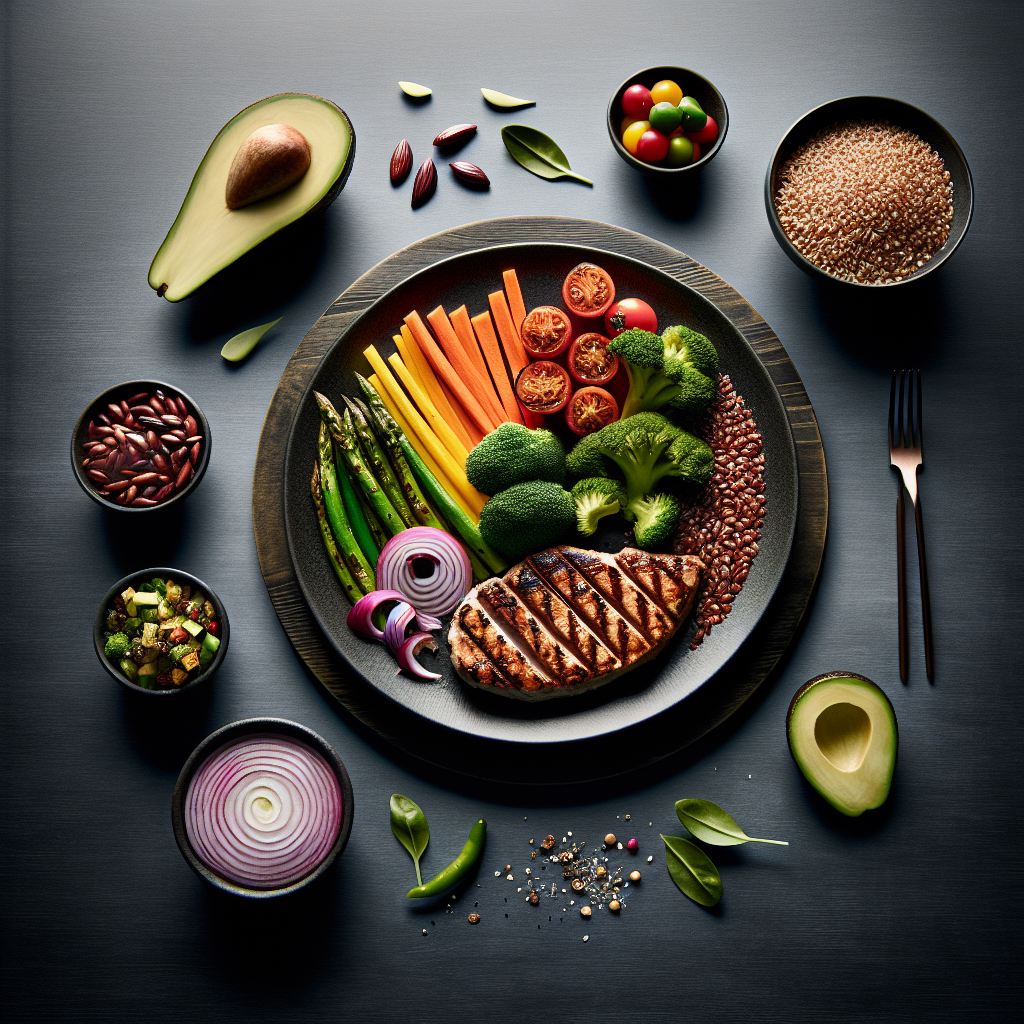
Diabetes-friendly recipes don't have to be bland or boring. With some creativity, you can create flavorful meals that are both healthy and delicious. Dishes cooked with lean proteins, a variety of vegetables, and low glycemic grains can make for a satisfying meal.
Dessert lovers need not worry as there are also a plethora of sugar-free desserts to choose from. From sugar-free apple pie to dark chocolate almond bites, you can satisfy your sweet tooth without causing a spike in your blood sugar levels.
One of the key aspects of meal planning for diabetes is carbohydrate counting. This technique involves keeping track of the amount of carbohydrates you consume to manage your blood sugar levels, as carbohydrates have a direct impact on your blood sugar levels. Understanding how to count carbohydrates can help you plan your meals better and maintain a steady blood sugar level.
The link between diet and diabetes is undeniable. By understanding the principles of a diabetic diet, incorporating low glycemic index foods, counting carbohydrates, and choosing healthy fats and whole grains, you can significantly improve your blood sugar management and insulin resistance. Remember, a healthy lifestyle involves more than just diet, and regular exercise and routine check-ups are also important aspects of managing diabetes. With the right meal planning, diabetes can be a manageable condition.
As we wrap up this comprehensive guide on low glycemic index foods, it's clear that blood sugar management is a critical aspect of a diabetic diet. Adopting a diet rich in low glycemic foods is not only beneficial for diabetics, but also for anyone focused on maintaining a healthy lifestyle. Whole grains and healthy fats play a significant role in combating insulin resistance, a key factor in the development of diabetes.
Moreover, meal planning for diabetes doesn't have to be a daunting task. With a multitude of diabetes-friendly recipes at your disposal, you can create diverse, nutritious meals that keep your blood sugar levels stable. Don't forget the delightful sugar-free desserts that allow you to enjoy a sweet treat without jeopardizing your health.
Remember, understanding and implementing concepts like carbohydrate counting can significantly enhance your blood sugar management strategy. However, it's crucial to remember that every individual is different, and what works for one might not necessarily work for another. Therefore, always consult with a healthcare provider or a dietitian before making any major changes to your diet.
In conclusion, a low glycemic index diet, when combined with regular exercise and appropriate medical treatment, can significantly enhance the quality of life for individuals living with diabetes. Let's make the shift towards a healthier lifestyle, one low glycemic food at a time.