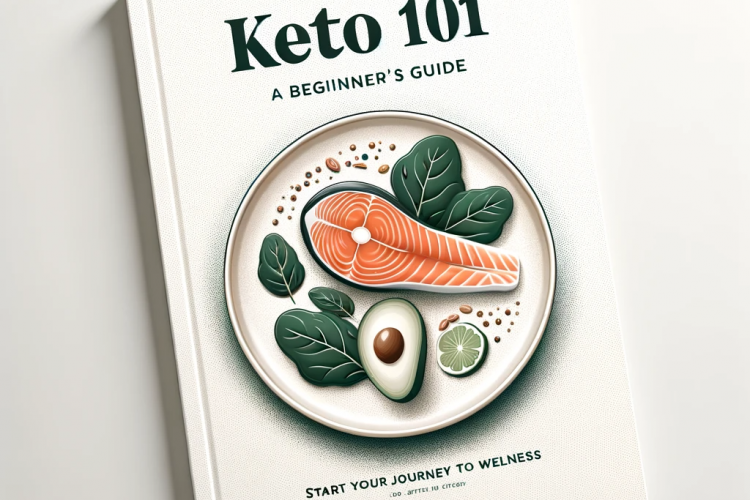
Embarking on a ketogenic diet can be a transformative experience, offering benefits like weight loss, improved energy levels, and a potential reduction in certain health risks. But where do you start? This guide will walk you through the basics of the ketogenic diet, making your transition both easy and enjoyable.
What is a Ketogenic Diet?
A ketogenic diet is a low-carb, high-fat diet that aims to put your body in a metabolic state called ketosis. In ketosis, your body efficiently burns fat for energy instead of carbohydrates.
The Benefits of a Ketogenic Diet
- Weight Loss: By using fat as a primary energy source, the body can lose weight effectively.
- Improved Energy: Once adapted, many people experience a more stable energy level throughout the day.
- Blood Sugar Control: A ketogenic diet can help stabilize blood sugar levels, beneficial for those with diabetes.
- Improved Brain Function: Ketones, produced in ketosis, are a potent source of energy for the brain.
Getting Started with Keto
Step 1: Understanding Macronutrients
- Carbohydrates: Limit to 20-50 grams per day.
- Fats: Make up the majority of your diet. Focus on healthy fats like avocados, nuts, seeds, and olive oil.
- Proteins: Moderate intake is key. Choose lean meats, fish, and plant-based sources like tofu.
Step 2: Clearing the Pantry
Remove high-carb foods like bread, pasta, sugary snacks, and cereals. Stock up on keto-friendly alternatives like nuts, seeds, cheese, and low-carb vegetables.
Step 3: Planning Your Meals
Plan meals around your macronutrient goals. Incorporate a variety of keto-friendly foods to ensure nutritional balance.
Sample One-Day Keto Meal Plan
- Breakfast: Scrambled eggs with spinach and avocado.
- Lunch: Grilled chicken salad with olive oil dressing.
- Dinner: Salmon with asparagus and a side of caesar salad.
- Snacks: Cheese slices, nuts, or olives.
Tips for Success
- Stay Hydrated: Increase your water intake to help with the transition and to stay hydrated.
- Electrolyte Balance: Maintain electrolyte balance by consuming foods rich in potassium, magnesium, and sodium.
- Listen to Your Body: Adjust your diet according to how you feel and consult a healthcare provider if necessary.
- Stay Active: Regular exercise can enhance the benefits of a ketogenic diet.
Potential Side Effects
Some individuals may experience the “keto flu” during the initial transition. Symptoms include fatigue, headaches, and irritability but typically resolve within a few days.
Conclusion
Starting a ketogenic diet can seem daunting, but with the right preparation and
knowledge, it can be a smooth and rewarding journey. Remember to focus on whole, nutrient-dense foods and listen to your body’s cues. With patience and consistency, the ketogenic diet can be an effective tool for achieving your health and wellness goals.
Disclaimer: Before starting any new diet program, it’s recommended to consult with a healthcare professional, especially if you have underlying health conditions.