
Heart health is pivotal to our overall well-being, and adopting a heart-healthy lifestyle is more than just a trend; it's a commitment to living a fuller, healthier life. With cardiovascular diseases being a leading cause of mortality worldwide, it's high time we shift our focus towards preventive measures. This comprehensive guide is designed to help you navigate through the world of heart-healthy foods, understand the impact of nutrition on heart health, and adopt a lifestyle that supports cardiovascular wellness.
From the sweetness of fruits to the hearty satisfaction of whole grains, we'll explore how to incorporate heart-healthy foods into your daily diet. We'll delve into the science of nutrition, explaining the role of omega-3 fatty acids, antioxidants, and the importance of balancing healthy fats in our meals. We'll debunk myths around cholesterol, shed light on the benefits of a plant-based or Mediterranean diet, and explain why the DASH diet is recommended for hypertension.
But heart health extends beyond just what's on our plate. It's about adopting a holistic approach that includes understanding portion sizes, integrating exercise into our routine, and managing stress effectively. Let's journey together into the world of heart health, empowering ourselves with knowledge and practical strategies to embrace a heart-healthy lifestyle. This isn't just about adding years to our life, but adding life to our years. Let's make every heartbeat count!
1. "Incorporating Heart-Healthy Foods into Your Diet: Fruits, Vegetables, Grains, and Beyond"
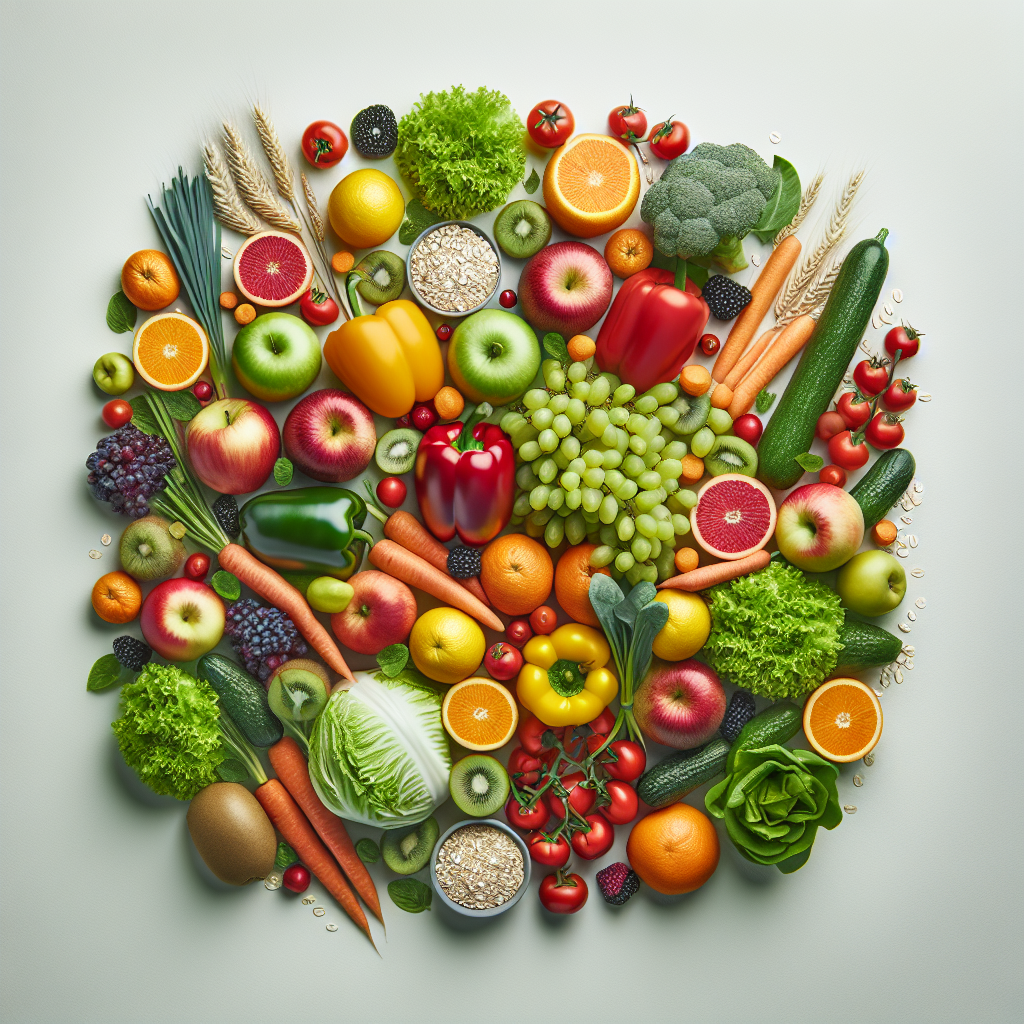
Maintaining heart health is paramount in leading a healthy and fulfilling lifestyle, and one of the most effective ways to achieve this is through a balanced and nutritious diet. A heart-healthy diet is not just about restrictive eating; it's about consuming a wide variety of foods that supply your body with essential nutrients while keeping your heart in top shape.
Fruits and vegetables play a crucial role in heart health due to their high content of vitamins, minerals, antioxidants, and fiber. Antioxidants, such as vitamin C and beta-carotene, protect your cardiovascular system from oxidative damage, reducing the risk of heart disease. High-fiber foods like fruits, vegetables, and whole grains help to lower cholesterol levels, further promoting heart health. Berries, oranges, leafy greens, and bell peppers are all excellent choices to incorporate into your diet.
Whole grains are also an essential part of a heart-healthy diet. They contain all parts of the grain — the bran, germ, and endosperm. Foods like whole wheat, brown rice, oats, and barley are high in fiber, helping to reduce the risk of heart disease by lowering cholesterol levels. These grains also provide a good dose of B vitamins, promoting overall cardiovascular health.
Omega-3 fatty acids, found in fatty fish like salmon and mackerel, as well as in flaxseeds and walnuts, are known for their heart health benefits. These essential fats help lower blood pressure, reduce clotting, and decrease stroke and heart failure risk.
A plant-based diet, rich in fruits, vegetables, grains, nuts, and seeds, can also be beneficial for heart health. This type of diet is low in saturated fat and high in fiber, contributing to lower cholesterol levels and better heart health.
Healthy fats, such as monounsaturated and polyunsaturated fats, also support heart health. These fats help reduce levels of "bad" LDL cholesterol and increase "good" HDL cholesterol. Avocados, nuts, seeds, and olive oil are excellent sources of these heart-friendly fats.
The Mediterranean diet is another eating plan known for its heart health benefits. This diet, high in fruits, vegetables, whole grains, and healthy fats, coupled with moderate consumption of fish and poultry, has been linked to lower levels of LDL cholesterol and a reduced risk of heart disease.
The Dietary Approach to Stop Hypertension (DASH) diet is another effective eating plan for heart health. It encourages the consumption of fruits, vegetables, whole grains, lean proteins, and low-fat dairy, while limiting sodium, sugary drinks, and red meats.
Incorporating these heart-healthy foods into your diet can significantly improve your cardiovascular health and reduce the risk of heart disease. Remember, it's about making long-term changes to your eating habits that result in a balanced, sustainable diet.
Also, consider pairing these dietary changes with regular exercise and stress management techniques for a comprehensive approach to heart health. After all, your heart deserves the best care you can give.
2. "Understanding Nutrition for Heart Health: Cholesterol, Omega-3 Fatty Acids, and Antioxidants"
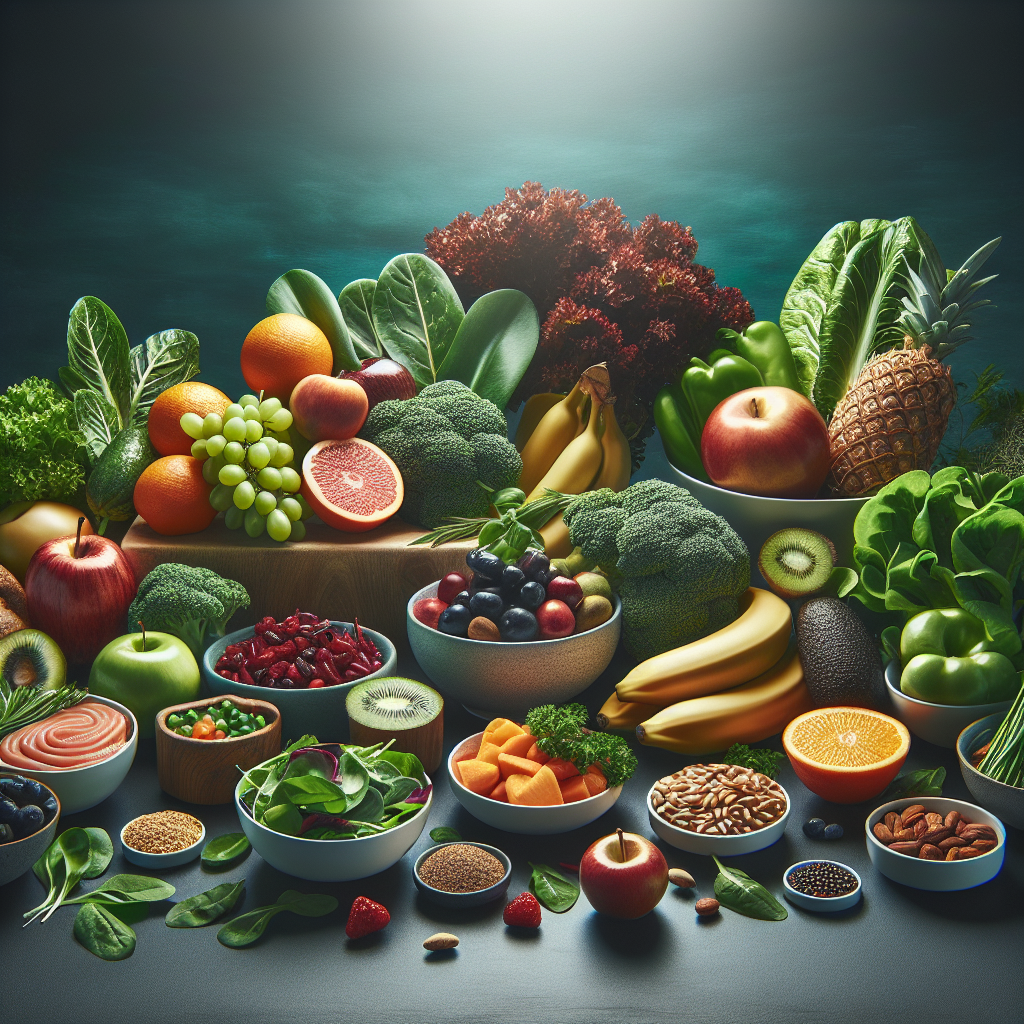
Understanding how nutrition impacts heart health can be a game-changer for those looking to improve their overall well-being. When it comes to maintaining cardiovascular health, there are three key components to focus on: cholesterol, omega-3 fatty acids, and antioxidants.
Cholesterol is often misunderstood, but it's essential to learn that not all cholesterol is bad. Cholesterol is a type of fat that is crucial for producing hormones, vitamin D, and substances that help digestion. However, high levels of low-density lipoprotein (LDL), also known as "bad" cholesterol, can lead to the buildup of plaque in the arteries, which increases the risk of heart disease. On the other hand, high-density lipoprotein (HDL) or "good" cholesterol, helps remove LDL from your bloodstream, thereby reducing the risk of cardiovascular disease. A diet rich in whole grains, fruits, and vegetables can help maintain a healthy cholesterol balance.
Omega-3 fatty acids, commonly found in fatty fish, flaxseeds, and walnuts, play a crucial role in heart health. Studies have shown that omega-3 fatty acids can reduce inflammation in the body and lower the risk of heart disease, high blood pressure, and abnormal heart rhythms. Incorporating omega-3-rich foods into your diet or supplementing can boost your heart's resilience and overall cardiovascular health.
Antioxidants are compounds that help protect our bodies from damage by free radicals, unstable molecules that can cause cell damage. Antioxidants, abundant in a plant-based diet, can help lower the risk of heart disease by combatting oxidative stress in the body. Berries, dark chocolate, and spinach are just a few antioxidant-rich foods that can be incorporated into your diet.
Adopting a diet that aids in heart health doesn't have to be complicated or restrictive. The Mediterranean diet or DASH diet are both excellent options that promote cardiovascular health by emphasizing fruits, vegetables, whole grains, and healthy fats. These diets also provide a roadmap for reducing intake of refined sugars and unhealthy fats, which can negatively impact heart health.
In summary, understanding the role of cholesterol, omega-3 fatty acids, and antioxidants in nutrition is key to enhancing heart health. By adopting a balanced diet, like the Mediterranean or DASH diet, you can take proactive steps towards improving your cardiovascular health.
3. "Adopting a Heart-Healthy Lifestyle: Diet Plans, Cooking Tips, and Wellness Practices"
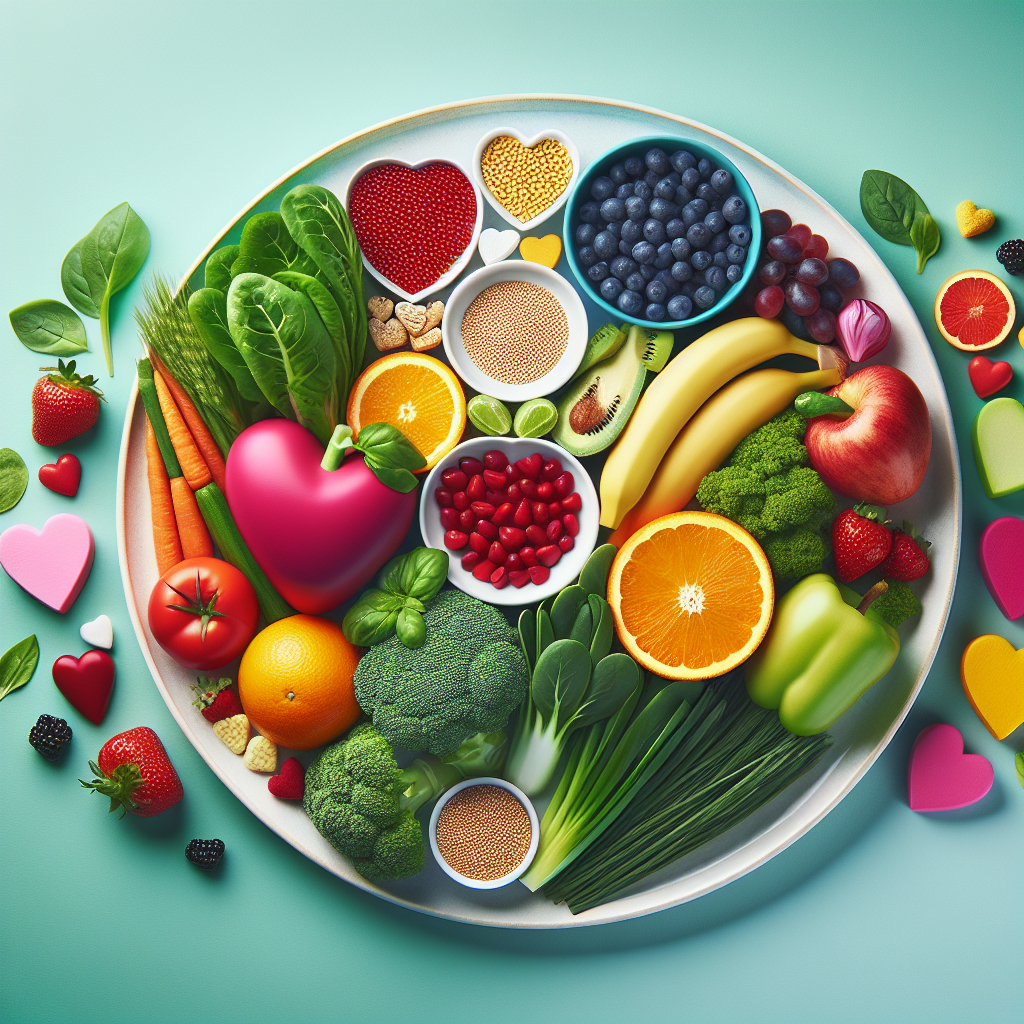
Adopting a heart-healthy lifestyle is not as daunting as it may initially seem. It involves a few key changes to your diet, cooking methods, and overall wellness practices. Food plays an integral role in maintaining heart health and preventing cardiovascular diseases. Including food rich in omega-3 fatty acids, antioxidants, and healthy fats in your diet can significantly contribute to your cardiovascular health.
Firstly, let's talk about omega-3 fatty acids. Found abundantly in fish like salmon and tuna, and plant sources like flaxseeds and walnuts, these power-packed nutrients help reduce inflammation in the body and lower the risk of heart diseases. They are an integral part of a heart-healthy lifestyle and can be easily incorporated into your diet.
Antioxidants are another important component of a heart-healthy diet. Found in colorful fruits and vegetables, nuts, and dark chocolate, antioxidants help protect your heart by reducing oxidative stress in your body. A diet rich in antioxidant foods, combined with a plant-based diet, can help to maintain optimal heart health.
Healthy fats should not be overlooked when considering heart health. Monounsaturated and polyunsaturated fats, found in avocados, olive oil, and certain fish, can help lower bad cholesterol levels and increase good cholesterol levels. This plays a significant role in reducing the risk of heart disease. The Mediterranean diet, rich in these healthy fats, whole grains, and lean proteins, is often recommended for a heart-healthy lifestyle.
Speaking of cholesterol, understanding the difference between 'good' and 'bad' cholesterol is crucial. While we aim to reduce levels of LDL (bad) cholesterol, it's important to boost levels of HDL (good) cholesterol, which carries LDL cholesterol away from the arteries and back to the liver, where it's broken down and removed from the body.
The DASH diet, or Dietary Approaches to Stop Hypertension, is another excellent diet plan for heart health. It emphasizes reducing sodium intake and eating a variety of foods rich in nutrients that help lower blood pressure.
Switching to whole grains is another simple yet effective change you can make. Whole grains are packed with fiber, helping you feel full and to avoid overeating. More importantly, the fiber in whole grains can help control blood pressure and lower bad cholesterol.
Incorporating these dietary changes can go a long way in promoting heart health. But diet is just one part of the equation. Regular exercise, adequate sleep, and stress management are equally important. Practice mindful eating, include moderate physical activity in your daily routine, ensure you get good quality sleep, and use relaxation techniques to manage stress.
Adopting a heart-healthy lifestyle is an investment in your long-term health. It's not just about adding years to your life, but also life to your years. The power to have a healthy heart is in your hands – or rather, on your plate!
In conclusion, maintaining heart health is a multi-faceted endeavor that requires a well-rounded approach. Through the incorporation of heart-healthy foods such as fruits, vegetables, whole grains, and lean proteins into your diet, you can significantly improve your cardiovascular health. The emphasis on omega-3 fatty acids, antioxidants, and healthy fats further underscores the nutritional aspects of heart health.
Understanding the role of cholesterol in the body, the benefits of plant-based diets, and the positive effects of the Mediterranean and DASH diets can greatly aid in maintaining a heart-healthy lifestyle. Furthermore, it is critical not to overlook the importance of other lifestyle factors such as exercise, stress management, and sufficient sleep, all of which can significantly influence heart health.
This guide has provided you with a comprehensive overview of the best practices for heart health, from delicious, nutrient-rich recipes to crucial dietary swaps. Embracing a heart-healthy lifestyle does not have to be a daunting task. By making small, sustainable changes, you can ensure a healthier heart and, consequently, a healthier you. Remember, every step taken towards a healthier lifestyle is a step towards a healthier heart.