
In the quest to lead a healthier lifestyle, balancing your blood sugar can play a significant role in maintaining your overall well-being. Whether you're managing diabetes, trying to prevent insulin resistance, or simply striving for a more balanced diet, incorporating meals with a low glycemic index into your daily routine is a smart move. This article is a treasure trove of information dedicated to helping you on this journey. It's packed with nutritious breakfast ideas that aid in blood sugar management and promote a healthy, active lifestyle for individuals aged 20-40.
Firstly, our "Kickstart Your Day with Low Glycemic Index Breakfast: A Guide to Blood Sugar Management" provides a comprehensive guide on how to start your day on a high note. Next, we delve into the intricacies of "Carbohydrate Counting and Healthy Fats: The Essentials of a Diabetic Diet". Here, we explore the significance of healthy fats, whole grains, and carbohydrate counting in managing your diabetic diet.
Finally, we lighten the load of meal planning for diabetes with "Diabetes-Friendly Recipes and Sugar-Free Desserts for a Balanced Breakfast". This section is brimming with delicious, easy-to-make recipes that will not only satisfy your taste buds but also keep your blood sugar levels in check.
Strategically managing your meals is a critical step in controlling diabetes and maintaining a healthy lifestyle. With our expert advice and diabetes-friendly recipes, you'll be well-equipped to make choices that benefit your blood sugar levels and overall health. Let's embark on this journey to wellbeing together.
1. "Kickstart Your Day with Low Glycemic Index Breakfast: A Guide to Blood Sugar Management"
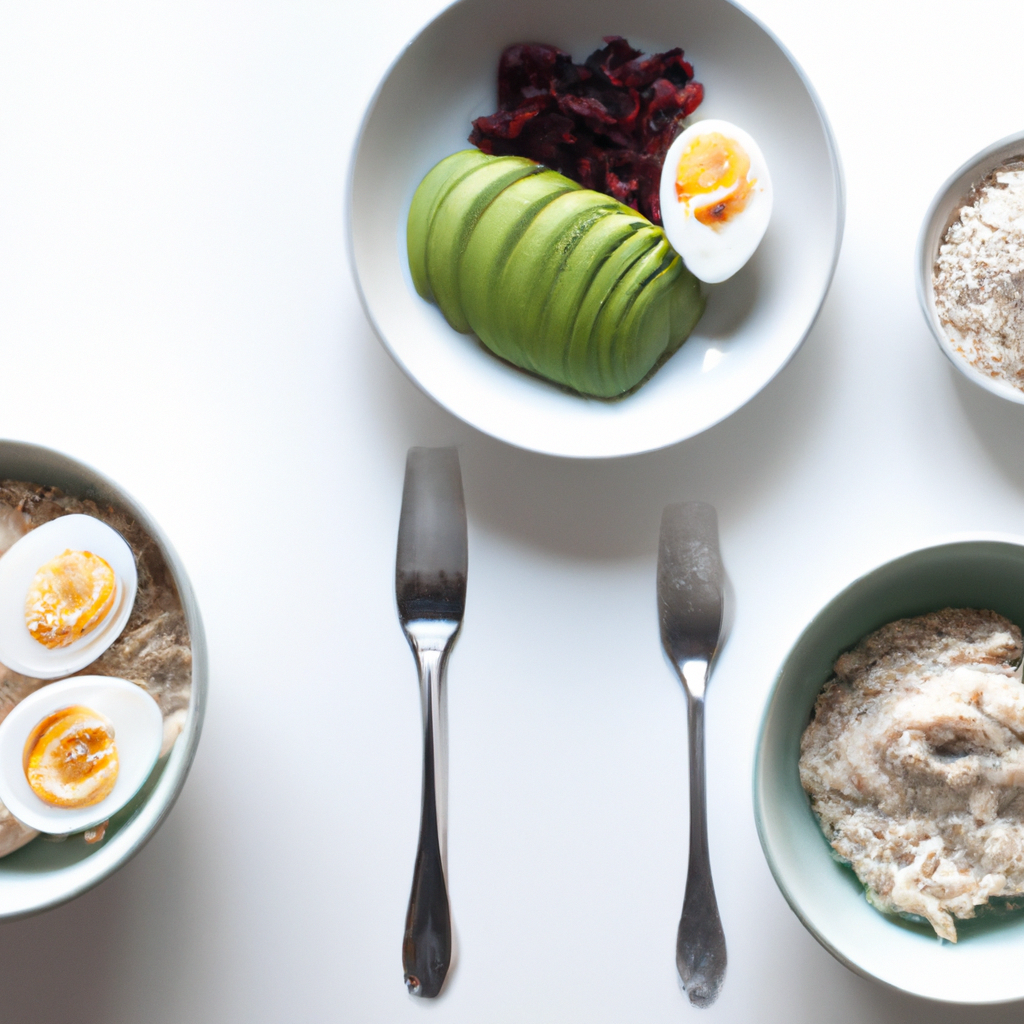
Kickstarting your day with a nutritious, low glycemic index breakfast can play a significant role in blood sugar management, setting the tone for balanced, stable blood sugar levels throughout the day. This is particularly essential for those following a diabetic diet, but it can also benefit anyone striving for a healthier lifestyle.
Low glycemic index (GI) foods are slow to digest and absorb, causing a slower, steadier rise in blood sugar levels, preventing sudden spikes and crashes. This is key in managing diabetes and insulin resistance. The advantage of low GI foods extends beyond just blood sugar management. They also tend to be rich in fiber, healthy fats, and proteins, which can keep you feeling fuller for longer, aid in weight management, and promote overall health.
Whole grains are a great place to start when planning low GI breakfasts. They are packed with complex carbohydrates and fiber that slow down the absorption of glucose into the bloodstream, providing a steady energy release. Oats, barley, and whole grain bread or cereals are all excellent choices. Pair these with a source of protein like eggs, Greek yogurt, or a handful of nuts to add further balance and satiety to your meal.
Healthy fats can also play a pivotal role in your breakfast. Avocado, chia seeds, flaxseeds, and nuts are rich in monounsaturated and polyunsaturated fats, which can help reduce levels of "bad" LDL cholesterol and increase "good" HDL cholesterol. Incorporating these into your breakfast can provide a heart-healthy start to your day.
Meal planning for diabetes doesn't have to be a daunting task. With the right knowledge and a bit of preparation, you can create delicious, diabetes-friendly recipes that not only help manage your blood sugar levels but also satisfy your taste buds.
For those with a sweet tooth, sugar-free desserts or snacks can be included in your breakfast repertoire. Berries, apples, pears, or peaches can add a natural sweetness to your meals without causing a spike in your blood sugar levels.
Remember, while low GI foods are beneficial, it's also important to keep an eye on portion sizes. Carbohydrate counting can be a useful tool to ensure you're not overdoing it.
Incorporating these principles into your breakfast routine can help manage blood sugar levels, promote sustained energy release, and contribute to a healthy lifestyle. Whether you're managing diabetes or simply aiming for a more balanced diet, these strategies can offer a nutritious and enjoyable start to your day.
2. "Carbohydrate Counting and Healthy Fats: The Essentials of a Diabetic Diet"
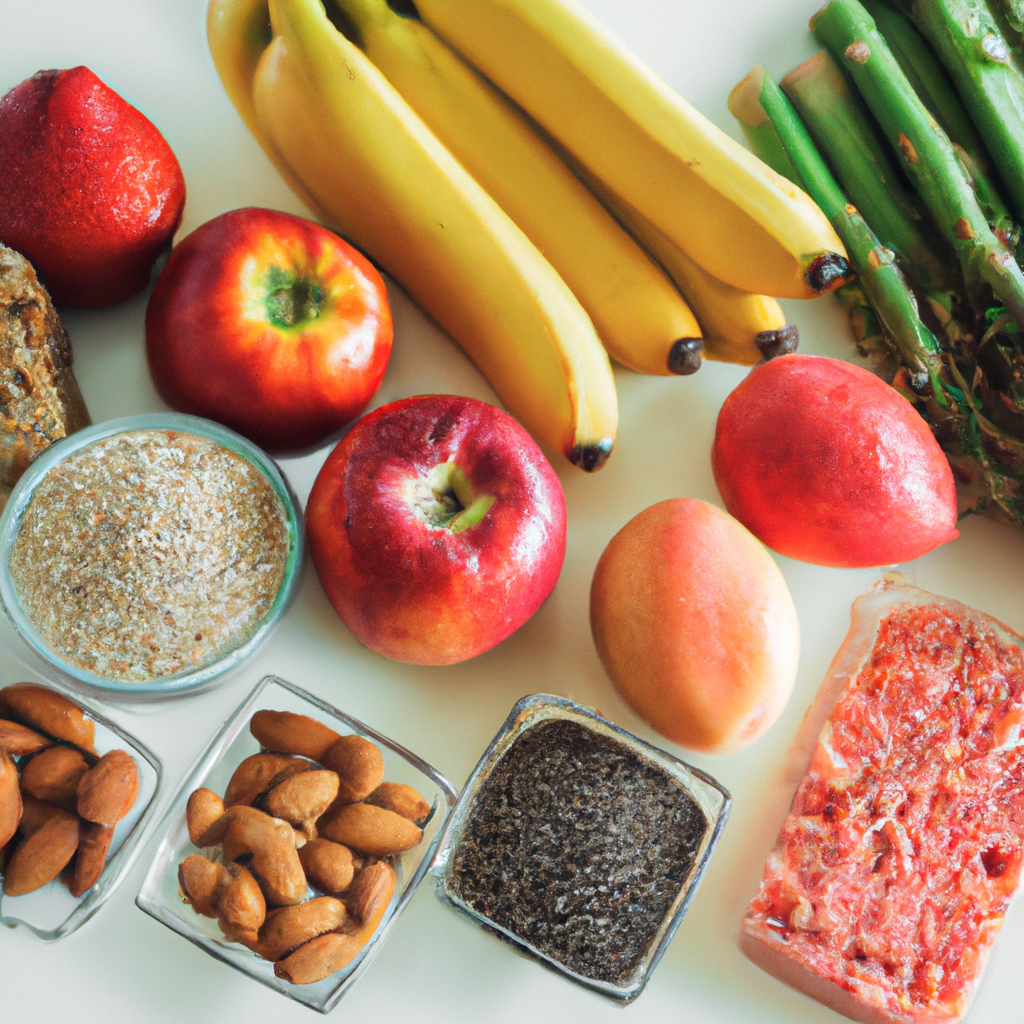
Incorporating an effective diabetic diet into your lifestyle can be a game-changer in blood sugar management. A diet that focuses on low glycemic index foods, whole grains, and healthy fats can significantly aid those with diabetes or insulin resistance.
Carbohydrate counting is a vital aspect of a diabetic diet. It's a meal planning technique for diabetes management that involves counting the number of carbohydrates in your meals and snacks. This method is particularly beneficial because carbohydrates directly affect your blood sugar levels more than any other nutrient. Understanding how to count carbs can make it easier for you to control your blood sugar levels and maintain a healthy lifestyle.
When considering diabetes-friendly recipes, it's essential to replace foods high in carbohydrates with low glycemic index foods. These foods cause a slower, lower increase in blood sugar levels and include most fruits, non-starchy vegetables, whole grains, legumes, and sugar-free desserts.
Healthy fats are another integral part of a diabetic diet. Foods rich in monounsaturated and polyunsaturated fats help reduce levels of "bad" LDL cholesterol and increase "good" HDL cholesterol. Avocados, nuts and seeds, olives, fish, and vegetable oils are excellent sources of healthy fats.
Whole grains are a carbohydrate source that can also help manage blood sugar levels. They have a lower glycemic index compared to refined grains, meaning they raise blood sugar less rapidly. Additionally, whole grains are high in fiber, which can slow the absorption of sugar into your bloodstream and prevent spikes in glucose.
Incorporating these elements into your meal planning for diabetes can make a significant difference in managing your blood sugar levels. From breakfast to dinner and even sugar-free desserts, a well-planned diabetic diet can offer a variety of delicious and nutritious options.
Remember, managing diabetes or insulin resistance doesn't mean you have to sacrifice enjoying food. It's about making informed decisions that can help you maintain a healthy, balanced lifestyle. With a bit of planning and knowledge about carbohydrate counting and healthy fats, you can enjoy a wide array of tasty, diabetes-friendly recipes.
3. "Meal Planning for Diabetes: Diabetes-Friendly Recipes and Sugar-Free Desserts for a Balanced Breakfast"
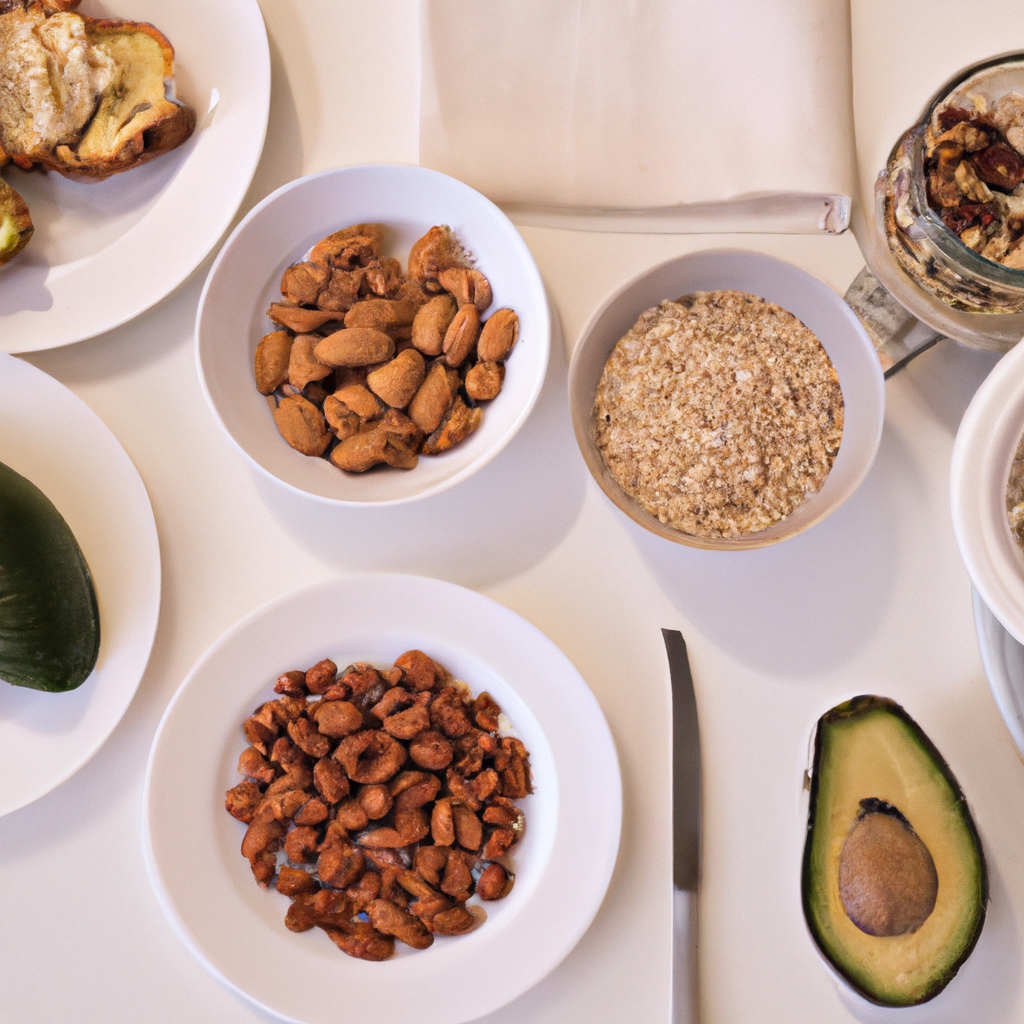
Managing diabetes demands a careful balance of diet, exercise, and medication. And one of the critical aspects of maintaining this balance is through thoughtful meal planning for diabetes. This concept not only involves what you eat but also when you eat.
A crucial part of a diabetic diet is to start the day with a balanced breakfast. Consuming a morning meal rich in protein, healthy fats, and whole grains can have a significant impact on blood sugar management. These nutrients can help maintain stable blood sugar levels and prevent insulin resistance.
When planning meals for a diabetic diet, the focus should be on foods with a low glycemic index. Foods with a low glycemic index are digested slowly, which prevents spikes in blood sugar levels. Some examples of these foods include whole grains, legumes, most fruits, and non-starchy vegetables.
Incorporating healthy fats into your breakfast is another strategy for blood sugar management. Foods like avocados, nuts, and seeds are high in healthy fats and fiber. These foods not only keep you feeling full but also have a minimal impact on blood sugar levels.
Meal planning for diabetes also involves carbohydrate counting. This strategy can help you manage your blood sugar levels and can be especially helpful for people who are on insulin therapy. The idea is to keep track of the number of carbohydrates in the foods you eat so that you can adjust your insulin doses accordingly.
Diabetes-friendly recipes are an essential part of meal planning for people with diabetes. These recipes are designed to be low in sugar and high in nutrients, helping to keep blood sugar levels stable. There are many delicious and nutritious breakfast ideas out there, from egg white frittatas to oatmeal with fresh berries.
But what about when you're craving something sweet? That's where sugar-free desserts come in. There are plenty of options out there for desserts that are not only delicious but also diabetes-friendly. For example, you can make a fruit salad with fresh berries and a sprinkle of cinnamon or a smoothie with unsweetened almond milk and a handful of spinach.
In conclusion, meal planning for diabetes doesn't have to be a chore. With a little bit of knowledge and creativity, you can create breakfasts that not only taste great but also help to manage your blood sugar levels.
In conclusion, managing your blood sugar levels doesn't mean you have to compromise on nutrition or taste. With the right knowledge and a bit of planning, you can incorporate a wealth of delicious and nutritious foods into your diabetic diet.
The key to blood sugar management is balancing your intake of carbohydrates, proteins, and healthy fats. Understanding the concept of low glycemic index foods can significantly contribute to balancing your blood glucose levels. Including whole grains in your meal can be a game-changer; they are rich in fiber and help slow down the absorption of sugars into your bloodstream, thus preventing spikes in your blood sugar levels.
Carbohydrate counting is another tool that can assist you in controlling your diet and insulin resistance. Pairing it with the inclusion of healthy fats in your meals can help in managing and maintaining your overall health.
Moreover, meal planning for diabetes does not have to be a tedious task. With a plethora of diabetes-friendly recipes available, you can easily whip up a variety of meals that are both healthy and flavorful. And let's not forget about desserts – sugar-free desserts are a fantastic way to satisfy your sweet tooth without disrupting your blood sugar levels.
In essence, a balanced and well-planned diabetic diet is the first step towards a healthy lifestyle. You have the power to control your health and wellbeing. So, start your day with a nutritious breakfast and embrace the journey towards better health.