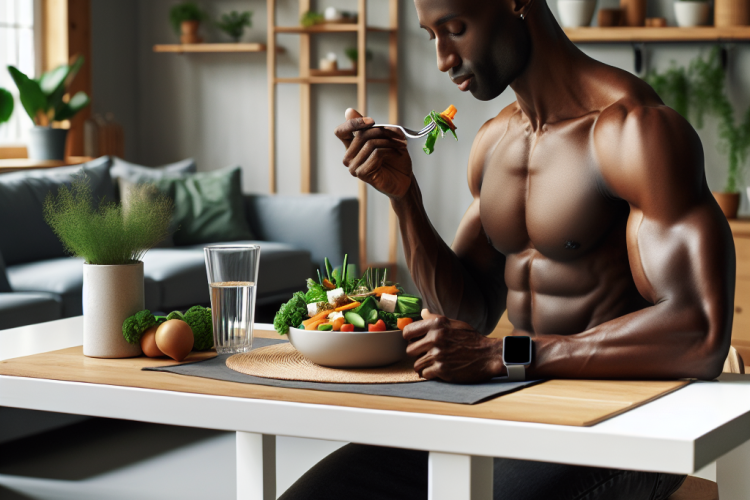
In the quest for a healthier lifestyle and a lean, muscular body, what you eat is just as important as your workouts. The timing and type of your meals play a crucial role in muscle growth and recovery. This article is your ultimate guide to understanding the best time to eat for optimal muscle growth, the importance of post-workout nutrition, and the role of protein-rich foods in muscle recovery.
We will explore the emerging trend of vegan muscle building, shedding light on the power of plant-based proteins and high-protein snacks in your diet. For those who are into bodybuilding, we provide an in-depth meal prep guide, discussing the importance of hydration, the inclusion of antioxidants in your diet, and necessary supplements for muscle growth.
Whether you're a seasoned athlete or a fitness newbie, our evidence-based advice will help you amplify your results, recover better, and build a stronger, healthier body. So, let's dive in and learn how to fuel your muscles the right way!
1. "Boosting Muscle Recovery: The Power of Post-Workout Nutrition and Protein-Rich Foods"
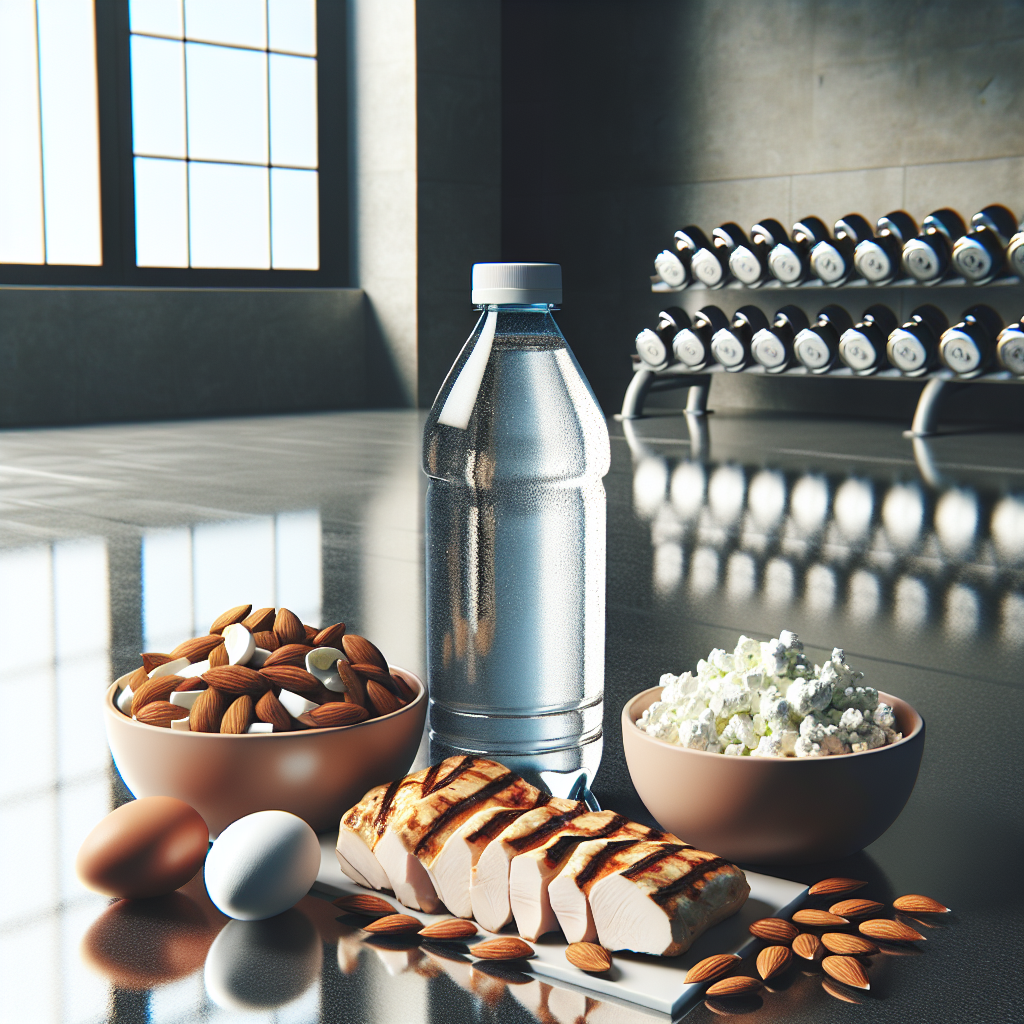
Boosting Muscle Recovery: The Power of Post-Workout Nutrition and Protein-Rich Foods
The significance of post-workout nutrition in muscle recovery cannot be overstated. Consuming protein-rich foods following a workout helps to replenish the body's energy stores, repair muscle tissue, and stimulate growth. The amino acids found in proteins are the building blocks of muscle, making protein a crucial component in your post-workout nutrition.
Incorporating high-protein snacks into your post-exercise routine can significantly enhance muscle recovery. Consuming these snacks within 30 minutes of completing your workout can optimize the body's ability to recuperate. Foods such as Greek yogurt, nuts, and protein bars are excellent high-protein snack options.
Vegan muscle building, too, is highly attainable through the consumption of plant-based proteins. Foods like lentils, tofu, and quinoa are rich in protein and can be easily integrated into a vegan diet. These foods not only support muscle growth but also offer a variety of other health benefits, including improved heart health and better weight management.
Supplements for muscle recovery can also be beneficial. Creatine, for example, helps improve strength and muscle mass, while BCAAs (branched-chain amino acids) can promote muscle growth and reduce muscle soreness. Remember, though, that supplements are meant to supplement a balanced diet and not replace it.
Meal prep for bodybuilders can be a game-changer. By preparing protein-rich meals in advance, you ensure that you have the right nutrients available when your body needs them the most. This approach not only aids in muscle recovery but also saves time and helps maintain a healthy diet.
Hydration and muscle recovery are closely linked. Water helps transport nutrients to your muscles, aiding in their repair and growth. Staying hydrated also helps prevent muscle cramping and reduces fatigue, allowing you to get the most out of your workouts.
Incorporating antioxidants in your diet can also boost muscle recovery. Antioxidants help to reduce inflammation and muscle damage, promoting faster recovery. Brightly colored fruits and vegetables, such as berries and bell peppers, are excellent sources of antioxidants.
In conclusion, post-workout nutrition plays a vital role in muscle recovery. Consuming protein-rich foods, staying hydrated, and incorporating antioxidants into your diet can significantly enhance your muscle recovery and growth. Whether you're a bodybuilder or someone simply looking to improve their fitness, these strategies can help you achieve your goals.
2. "Vegan Muscle Building: Inclusion of Plant-Based Proteins and High-Protein Snacks in Your Diet"
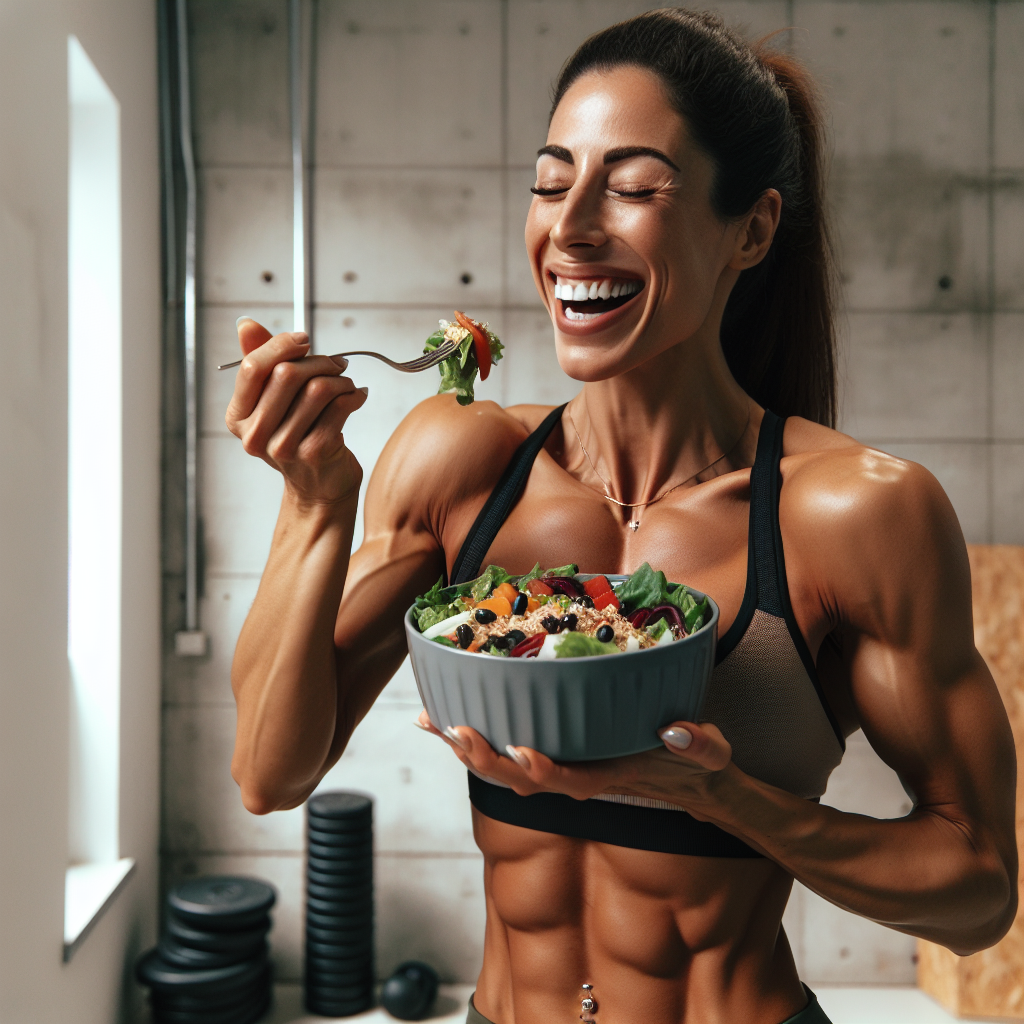
Vegan muscle building is not only possible but increasingly popular among fitness enthusiasts in the age group of 20-40 years. More and more young people are embracing a plant-based diet, wanting to achieve a healthy lifestyle while simultaneously building muscle and strength. The key to this lies in consuming protein-rich foods that support muscle recovery and growth.
Plant-based proteins are not just an essential part of vegan muscle building; they are a crucial component of a healthy lifestyle. These proteins include foods like lentils, chickpeas, tofu, quinoa, hemp seeds, and more. These protein-rich foods contribute significantly to muscle recovery and growth after an intense workout session.
Post-workout nutrition is vital to replenish your body's energy stores and repair muscle tissues. A high-protein snack within 30 minutes to an hour after your workout session can significantly enhance your muscle recovery process. Some examples of high-protein snacks include a smoothie with hemp seeds, a tofu scramble, or a lentil salad.
Meal prep for bodybuilders who follow a vegan diet can be as simple and varied as anyone else's. It can include protein-rich foods, complex carbohydrates, and plenty of fruits and vegetables. It's also essential to include antioxidants in your diet as they help combat oxidative stress caused by intense workout sessions. Berries, nuts, and seeds are fantastic sources of these powerful compounds.
Hydration and muscle health go hand in hand. Staying properly hydrated helps maintain your muscle elasticity and strength. It also aids in post-workout recovery. As a vegan bodybuilder, it's crucial to pay special attention to your fluid intake, especially around your workout sessions.
Supplements for muscle growth are often crucial in a plant-based diet to ensure you're getting enough protein and other essential nutrients. There are several vegan-friendly options available in the market, including plant-based protein powders, BCAAs, and creatine.
In conclusion, vegan muscle building is achievable with the right balance of protein-rich foods, post-workout nutrition, meal prep, hydration, antioxidants in the diet, and the right supplements for muscle growth. The rise of plant-based proteins and high-protein vegan snacks has revolutionized the way we approach fitness and bodybuilding. So, whether you're a seasoned bodybuilder or just starting, a vegan diet can support your muscle-building goals while promoting a healthy lifestyle.
3. "The Ultimate Meal Prep Guide for Bodybuilders: Hydration, Antioxidants, and Supplements for Muscular Growth"

Adopting a healthy lifestyle goes beyond just hitting the gym; it includes a well-rounded approach to nutrition, hydration, and supplementation for optimal muscle growth. When it comes to muscle building, timing and composition of meals play a pivotal role. This ultimate meal prep guide for bodybuilders will provide insights into the importance of hydration, antioxidants, and supplements, all of which are key components of muscular growth.
Protein is the building block of muscles and therefore, incorporating protein-rich foods in your diet is essential. Whether you're a meat-eater or a vegan muscle builder, the market is abound with choices. Lean meats, eggs, and dairy are excellent sources of protein. For vegans, plant-based proteins such as lentils, tofu, and quinoa can be included in the diet.
Post-workout nutrition also significantly impacts muscle recovery and growth. Consuming high-protein snacks within an hour after your workout can help in repairing and building new muscle tissue. Ideal post-workout snacks include Greek yogurt with fruits, protein smoothies, or a sandwich with lean protein.
Hydration and muscle growth are closely linked. Proper hydration aids in maintaining muscle elasticity and strength, and also helps transport nutrients to the muscles, promoting their growth. Aim to drink at least 8-10 glasses of water per day, and more if you engage in intense workouts.
Antioxidants in your diet are equally important. They help to counteract the oxidative stress caused by intense workouts, supporting quicker recovery and reducing muscle soreness. Foods rich in antioxidants include berries, nuts, dark chocolate, and green leafy vegetables.
Supplements for muscle growth can also be part of your diet, especially when your daily nutritional needs aren't met through food alone. Whey protein, branched-chain amino acids (BCAAs), and creatine are popular among bodybuilders for their muscle-enhancing benefits.
Meal prep for bodybuilders doesn't have to be complex. It's about planning and preparing meals that align with your fitness goals. This includes ensuring you're getting the right balance of macronutrients – proteins, carbs, and fats, along with essential vitamins and minerals.
In conclusion, achieving muscular growth is a combination of well-timed nutrition, proper hydration, and the right supplements. Remember, every individual is unique, and what works for one person may not work for another. It's always best to consult with a nutritionist or dietitian to create a customized plan that suits your body type, fitness level, and goals. Establishing these healthy habits will put you on the path to a healthier lifestyle.
In conclusion, adopting a healthy lifestyle to optimize muscle growth is not just about regular exercise, it also involves strategic nutritional choices. Emphasizing post-workout nutrition with protein-rich foods is key to muscle recovery and sustenance of your hard-earned gains. This includes both animal-based and plant-based proteins, ensuring that vegan muscle building is equally achievable. High-protein snacks can provide a much-needed boost, especially when you're on the go.
Furthermore, meal prep for bodybuilders is an essential routine to establish, allowing you to maintain a balanced diet that fuels your body for rigorous workouts and promotes muscle growth. Hydration plays an integral role in overall health and muscular function, so it shouldn't be overlooked.
Supplements for muscle growth can also be a valuable addition to your diet, but they should never replace a balanced, nutrient-rich diet. It's important to remember that antioxidants in the diet are crucial for reducing inflammation and promoting recovery.
Finally, while there's a general consensus on the importance of proteins in muscle building, the role of plant-based proteins is increasingly being recognized for its numerous health benefits, making it a fantastic option for those seeking a more plant-forward approach to nutrition.
Maintaining a healthy lifestyle that promotes muscle growth doesn't have to be complicated. With the right dietary choices and exercise regimen, you can achieve your fitness goals. Remember, every small step towards a healthier lifestyle is a step towards a better you.