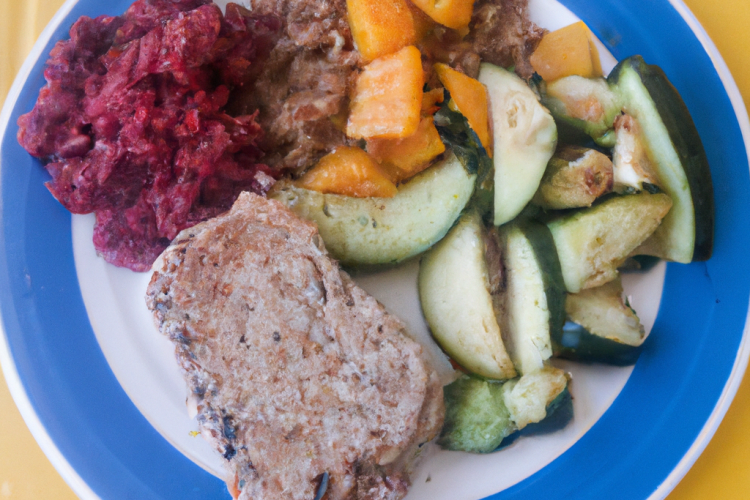
If you're looking to lead a healthy lifestyle while managing your diabetes, the key lies in understanding the ins and outs of a diabetic diet. This diet, which focuses on blood sugar management, involves a balanced incorporation of whole grains, healthy fats, and low glycemic index foods. In this article, we delve into the basics of a diabetic-friendly diet, providing you with the essential information you need to know.
In our first section, "Mastering Meal Planning for Diabetes: Incorporating Whole Grains, Healthy Fats and Low Glycemic Index Foods", we will guide you through the process of creating balanced meals that can help regulate your blood sugar levels.
Next, we'll break down the concepts of carbohydrate counting and insulin resistance in "Understanding Carbohydrate Counting and Insulin Resistance: Essential Tools for Blood Sugar Management". This understanding is crucial for anyone aiming to keep their diabetes in check.
Lastly, we'll share some mouth-watering, diabetes-friendly recipes in "Delicious Diabetes-Friendly Recipes: From Sugar-Free Desserts to Everyday Meals". These dishes ensure you don't have to compromise on taste while maintaining a diabetic diet.
Whether you're newly diagnosed, helping a loved one, or just looking to lead a healthier lifestyle, this guide will equip you with the knowledge you need to successfully navigate through the world of diabetes management. So, let's dive right in and start exploring the secrets of a diabetic diet. Buckle up for a journey towards better health and wellness!
1. "Mastering Meal Planning for Diabetes: Incorporating Whole Grains, Healthy Fats and Low Glycemic Index Foods"

Living a healthy lifestyle with diabetes doesn't have to be onerous or restrictive. With a few key strategies and knowledge about how different foods affect your blood sugar, it's entirely possible to enjoy a variety of delicious and nutritious meals. Mastering meal planning for diabetes is a crucial step in managing your health, and it involves incorporating whole grains, healthy fats, and low glycemic index foods into your diet.
Whole grains are an essential component of a diabetic diet. Unlike refined grains, whole grains have all parts of the grain — the bran, germ, and endosperm. Foods made from these grains are rich in fiber, which slows the rate at which sugar is absorbed into your bloodstream and prevents spikes in glucose levels. Some examples of whole grains include brown rice, oatmeal, whole grain bread, and quinoa.
Healthy fats play a significant role in blood sugar management. They help slow down digestion, which in turn slows down the rate at which carbs are broken down into sugar and enter your bloodstream. Some examples of healthy fats include avocados, olives, and nuts. Including these in your meal planning for diabetes can help you keep your blood sugar levels stable.
Low glycemic index foods are another essential part of a diabetic diet. These foods have a low impact on your blood sugar. Incorporating more low glycemic index foods into your diet can lead to improvements in insulin resistance, a common issue for people with diabetes. Examples of these foods include most fruits and vegetables, legumes, and some whole grains.
To keep your meal planning for diabetes exciting and diverse, try out a variety of diabetes-friendly recipes. From sugar-free desserts to meals rich in whole grains and healthy fats, there's no shortage of tasty and nutritious options. Remember, managing diabetes doesn't have to mean missing out on delicious food.
Carbohydrate counting is another useful tool in managing your diabetes. By keeping track of how many carbohydrates you're eating and setting a limit for each meal, you can better control your blood sugar levels.
Remember, everyone is different, and what works for one person may not work for another. It's important to monitor your blood sugar levels before and after meals to understand how different foods affect you personally. With a little practice and patience, you can become a master at meal planning for diabetes and enjoy a diverse and delicious diet while keeping your health in check.
2. "Understanding Carbohydrate Counting and Insulin Resistance: Essential Tools for Blood Sugar Management"
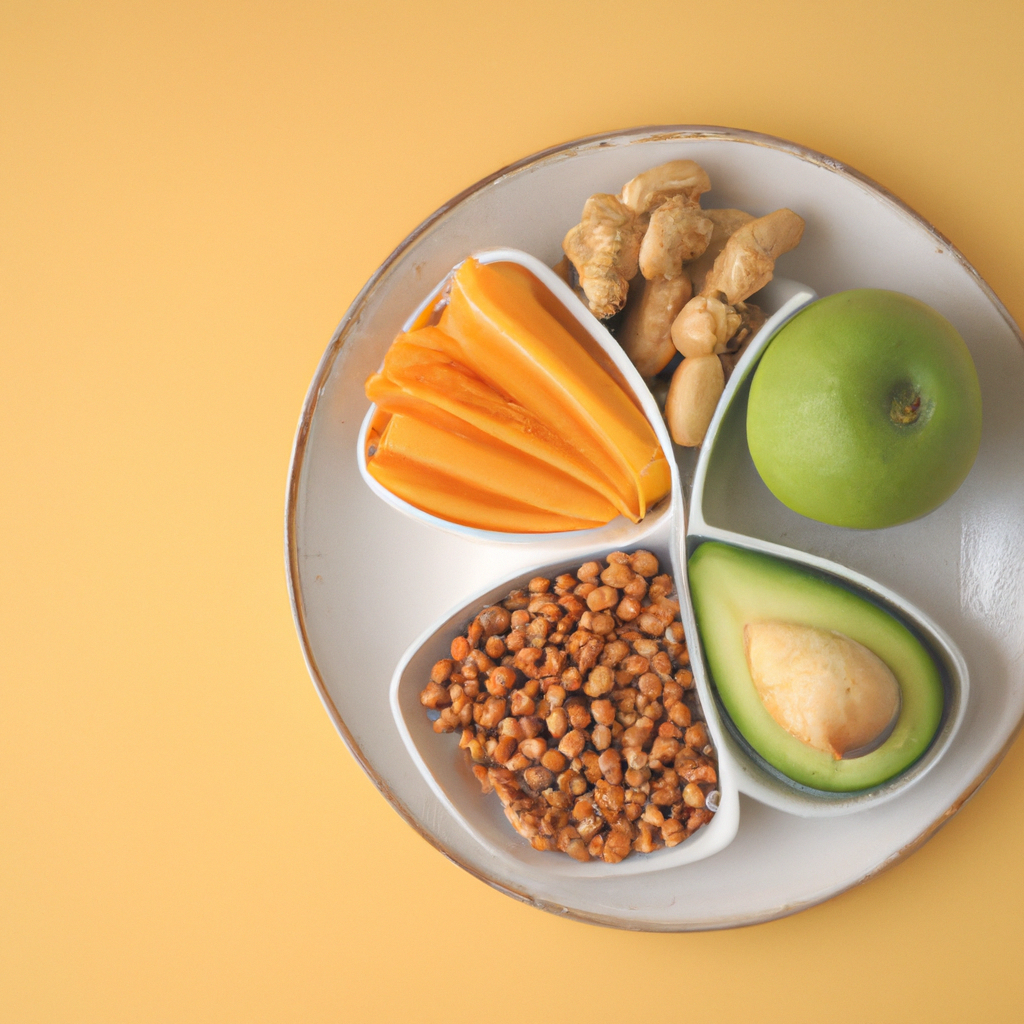
Carbohydrate counting and understanding insulin resistance are two crucial factors in blood sugar management for those following a diabetic diet. These are essential tools that help in maintaining a healthy lifestyle and managing diabetes effectively.
Carbohydrate counting, or "carb counting," is a dietary tool that can help you understand how much sugar is in your food. This method is vital as all carbohydrates break down into sugar, which directly affects blood sugar levels. It involves keeping track of the amount of carbohydrates you consume each day. By understanding the amount of carbs in each meal, you can adjust your insulin doses accordingly, a key part of blood sugar management.
It's equally important to understand insulin resistance, a condition wherein the body doesn't respond as well to the insulin that it produces. This resistance can often lead to increased blood sugar levels. Some strategies to combat insulin resistance include incorporating foods with a low glycemic index into your meal planning for diabetes. Foods with a low glycemic index release sugar slowly into the bloodstream, preventing a sudden spike in blood sugar levels.
A healthy diabetic diet should consist of a balance of nutrients. This includes healthy fats, which can be found in foods like avocados, nuts, and fish, whole grains, fruits, and vegetables. These foods can also help in reducing insulin resistance. Remember, the goal is to manage your blood sugar levels and not to eliminate carbs completely.
Meal planning for diabetes involves incorporating these elements into your diet in a balanced way. Aim for variety to ensure you're meeting your nutritional needs and to keep your meals interesting. Diabetes-friendly recipes can be as flavorful and satisfying as any other dishes. There are plenty of resources available for delicious, satisfying, and easy-to-make diabetes-friendly recipes, including sugar-free desserts.
In conclusion, understanding carbohydrate counting and insulin resistance are essential tools for blood sugar management. Incorporating a variety of low glycemic index foods, healthy fats, and whole grains into your meal planning for diabetes will not only help manage your blood sugar levels but also contribute to a healthier lifestyle.
3. "Delicious Diabetes-Friendly Recipes: From Sugar-Free Desserts to Everyday Meals"
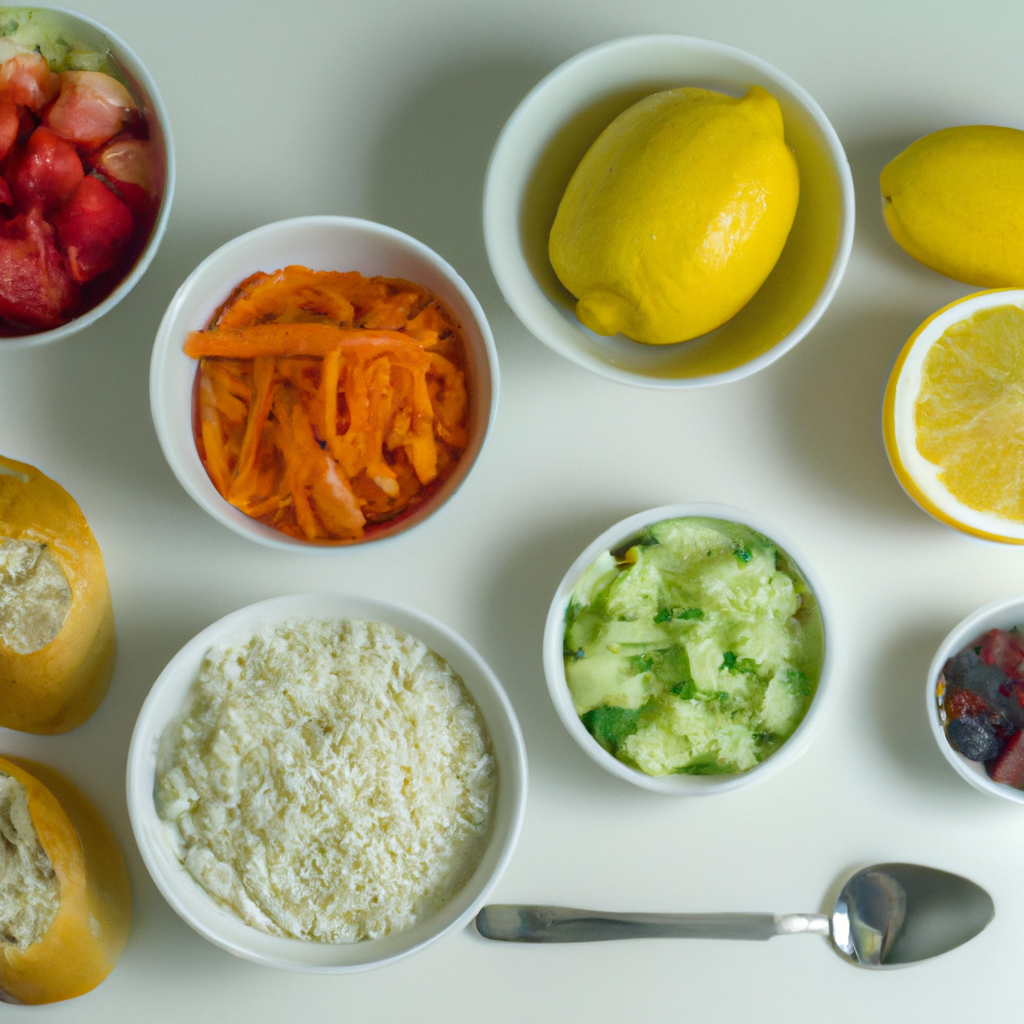
In today's fast-paced world, maintaining a healthy lifestyle can be a challenging task, especially for those managing health conditions like diabetes. However, with the right diabetic diet and blood sugar management, life with diabetes can be delicious, healthy, and fulfilling.
One of the key elements of a diabetic diet is focusing on foods with a low glycemic index. These are foods that have a slower impact on blood glucose levels, helping to maintain steady blood sugar levels throughout the day. Whole grains, such as brown rice and quinoa, legumes and non-starchy vegetables, are excellent low glycemic index foods. Pairing these with healthy fats, such as avocados, nuts, and seeds, can further aid in blood sugar management.
Meal planning for diabetes doesn't have to be a chore. With a little creativity and knowledge, you can whip up diabetes-friendly recipes that not only cater to your dietary needs but also tickle your taste buds. For example, a simple stir-fry with plenty of colorful veggies, lean protein, and brown rice can be a satisfying and healthy dinner option. Or consider a hearty salad with mixed greens, grilled chicken, avocado, and a sprinkle of whole grain quinoa for a refreshing and balanced lunch.
For those with a sweet tooth, there's no need to despair. There are plenty of sugar-free desserts that you can enjoy without spiking your blood sugar levels. From sugar-free dark chocolate mousse to apple and cinnamon oat crumble, the options are endless. Remember, the key to these recipes is to use natural sweeteners like stevia or erythritol, and to always keep an eye on portion sizes.
Carbohydrate counting is another crucial aspect of a diabetic diet. By understanding how different carbohydrates affect your blood sugar, you can make better food choices and manage your insulin resistance. There are various apps and tools available to help you with carbohydrate counting and meal planning, making it easier to lead a healthy lifestyle with diabetes.
In conclusion, living with diabetes doesn't mean giving up on delicious food. With a focus on low glycemic index foods, healthy fats, whole grains, and careful carbohydrate counting, you can enjoy a variety of diabetes-friendly recipes. So, embark on your journey towards a healthier lifestyle today, and remember, every meal is an opportunity to nourish your body.
In conclusion, maintaining a healthy lifestyle when you have diabetes doesn't have to be a daunting task. With careful attention to your diabetic diet, you can not only manage your blood sugar levels but also enjoy a variety of delicious foods. The key to successful blood sugar management lies in understanding the principles of a balanced diet, incorporating whole grains, healthy fats, and low glycemic index foods into your meals.
Mastering meal planning for diabetes is a skill that can significantly improve your quality of life. It's not just about avoiding certain foods but learning how to create a balanced, nutritious, and tasty meal that will keep your blood sugar levels steady. This includes understanding carbohydrate counting and knowing how it affects insulin resistance.
Moreover, with a plethora of diabetes-friendly recipes available, you can enjoy everything from sugar-free desserts to everyday meals without fear of disrupting your blood sugar levels. The world of food is not closed to you; it simply requires a little more thought and planning.
Remember, being mindful of what and how you eat is not only beneficial for individuals with diabetes but promotes overall health and wellness in everyone. With the right knowledge and the right tools, you can turn the challenge of living with diabetes into an opportunity to live a healthier and more balanced lifestyle. So, embrace the principles of a diabetic-friendly diet and discover the positive impact it can have on your life.