
In the world of fitness and muscle building, protein-rich foods are the cornerstone of any effective diet – particularly for those following a vegan lifestyle. A common misconception is that achieving optimal muscle growth and recovery without animal-based protein is challenging. However, in this article, we break down that myth and delve deep into the realm of vegan muscle building, demonstrating that it is not only feasible but also highly beneficial for your overall health.
Our comprehensive guide will illuminate your path with a plethora of plant-based proteins, supplements for muscle building, and high-protein snacks that are not just delicious but also packed with all the essential nutrients you need for robust muscle growth.
Discover how post-workout nutrition plays a critical role in muscle recovery, and why hydration and antioxidants in your diet are just as important as the protein intake.
If you're a bodybuilder looking to switch to a vegan lifestyle or simply someone aiming for a healthier, more sustainable diet, our section on meal prep for bodybuilders is a must-read. We will explore how plant-based proteins can become your new best friend in your quest for vegan muscle building.
So, whether you're a seasoned vegan gym-goer or just starting your journey towards a healthier lifestyle, this article is your ultimate guide to understanding and utilising plant-based proteins for optimal muscle growth. Let's start sculpting a better, healthier you today!
1. "Protein-Rich Foods and Supplements for Vegan Muscle Building: A Comprehensive Guide"
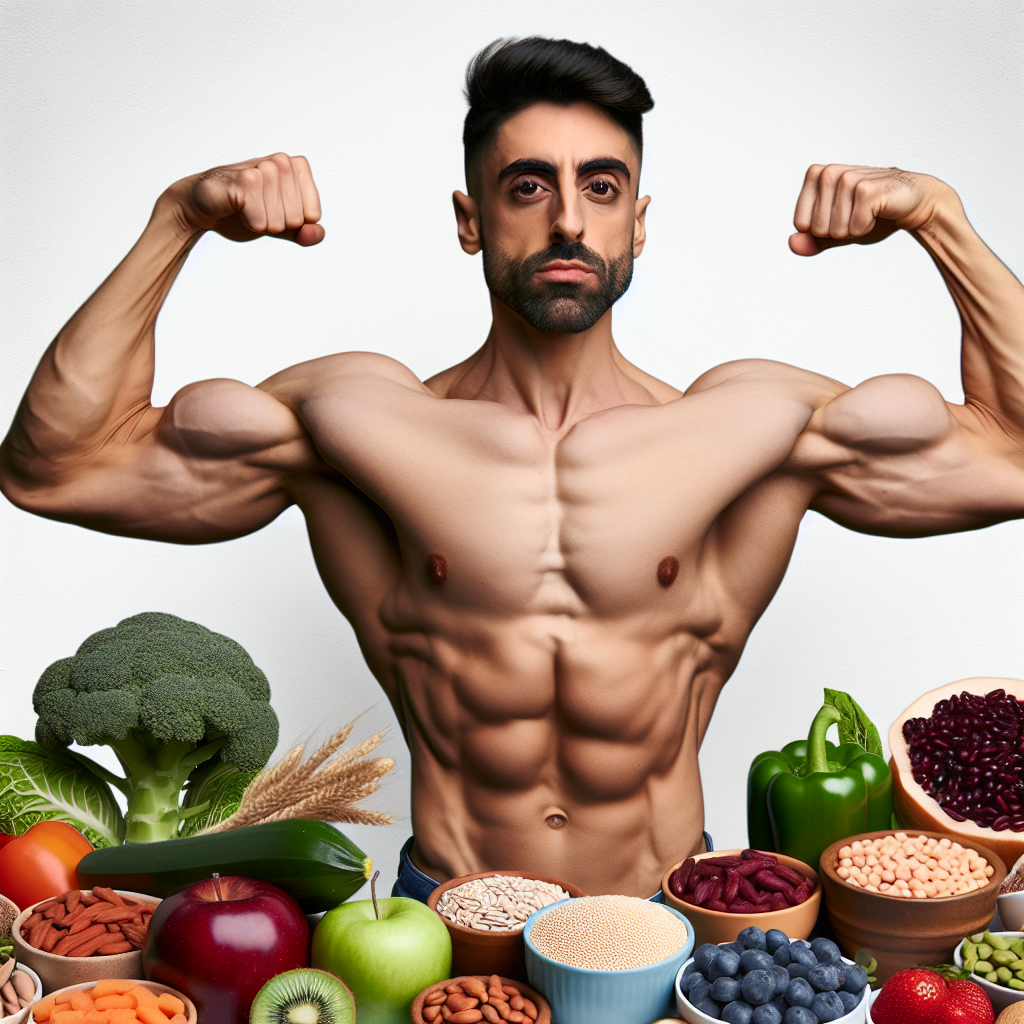
Adopting a vegan lifestyle doesn't mean sacrificing muscle growth or strength. With a strategic approach to protein-rich foods, post-workout nutrition, and muscle recovery, vegan muscle building can be as successful as it is for those who consume animal products. This comprehensive guide will unpack the best plant-based proteins and supplements for muscle growth, high-protein snacks, and meal prep strategies for vegan bodybuilders.
The first thing to understand is that protein is critical for muscle growth and recovery. After a strenuous workout, your muscles need protein to repair and grow. Consuming protein-rich foods or supplements within the golden hour (the first hour post-workout) is a key part of post-workout nutrition.
For vegans, a variety of plant-based proteins can fill this need. Foods like tofu, lentils, chickpeas, quinoa, and edamame are rich in protein and perfect for post-workout meals. Nuts and seeds, such as almonds, peanuts, sunflower seeds, and chia seeds, make excellent high-protein snacks for on-the-go nourishment.
In addition to whole foods, there are numerous vegan-friendly supplements for muscle growth available. These include protein powders derived from peas, brown rice, and hemp, which can be easily added to smoothies, oats, or baked goods for an extra protein boost.
Hydration and muscle health also share a direct link. Water plays a crucial role in muscle contraction and lubrication of joints, making it essential for bodybuilders. Staying hydrated not only enhances performance but also aids in muscle recovery.
Meal prep for bodybuilders is another vital aspect of a successful vegan muscle-building regimen. Planning meals ahead of time ensures a steady intake of necessary nutrients, helping to maintain energy levels and facilitate muscle growth. A balanced vegan meal should include a variety of vegetables, whole grains, and plant-based proteins.
Incorporating antioxidants in your diet is another crucial element of vegan muscle building. Antioxidants like vitamins C and E help protect muscle cells from damage and inflammation, promoting faster recovery. Foods rich in antioxidants include berries, dark chocolate, pecans, and artichokes.
In conclusion, vegan muscle building is entirely achievable and sustainable with a well-planned diet. By incorporating protein-rich foods, staying hydrated, utilizing supplements for muscle growth, and maintaining a balance of antioxidants in your diet, you can support muscle growth and recovery while adhering to a vegan lifestyle. Remember, consistency is key, and maintaining a balance of all these elements is integral to your success.
2. "Hydration, Antioxidants, and High-Protein Snacks: A Trio for Post-Workout Nutrition and Muscle Recovery"
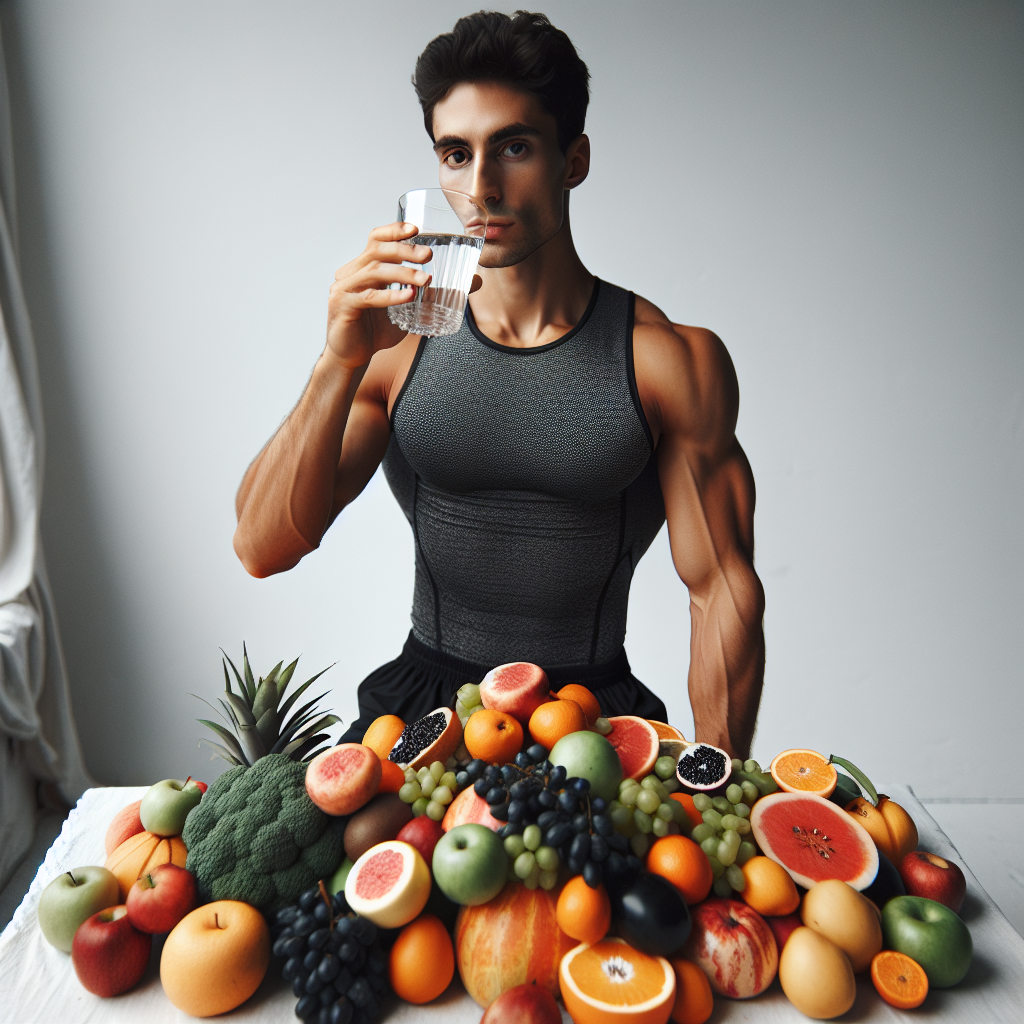
Hydration, antioxidants, and high-protein snacks play a pivotal role in post-workout nutrition and muscle recovery. When it comes to vegan muscle building, these three factors are particularly important. If you're a vegan bodybuilder or an athlete, you need to pay extra attention to your diet to ensure you're getting the right nutrients for optimal performance and recovery.
Starting with hydration, it's crucial to replace the fluids lost during workouts to maintain optimal body function. Water is essential for muscle contractions and lubrication of joints. It also helps transport nutrients to the cells, including essential protein-rich foods that promote muscle repair and growth. In the context of vegan muscle building, hydration becomes even more important, as plant-based proteins often require more water for digestion.
Next, let's talk about antioxidants. They are compounds that fight against free radicals, which can cause damage to your cells. Antioxidants play a significant role in muscle recovery because they help manage the inflammation and oxidative stress that can occur after a strenuous workout. They can be found in a variety of fruits and vegetables, and should be an integral part of your meal prep for bodybuilders.
High-protein snacks are another key factor in post-workout nutrition. These snacks can give your body the necessary protein it needs to repair and build new muscle tissues. For vegan muscle building, you can turn to plant-based proteins such as lentils, chickpeas, black beans, quinoa, and tofu. These protein-rich foods can make excellent high-protein snacks to aid muscle recovery, especially when combined with complex carbohydrates for energy replenishment.
Another way to ensure your body is getting enough protein for muscle recovery is through supplements for muscle. Vegan protein powders made from peas, rice, or hemp can be an excellent way to boost your protein intake. Just remember to always check the labels to ensure there are no added sugars or artificial ingredients.
In conclusion, proper hydration, inclusion of antioxidants in your diet, and consumption of high-protein snacks are paramount to post-workout nutrition and muscle recovery for vegan bodybuilders. Incorporating these elements into your routine can help you maximize your results and promote a healthy lifestyle.
3. "Meal Prep for Bodybuilders: Top Plant-Based Proteins and Their Role in Vegan Muscle Building"
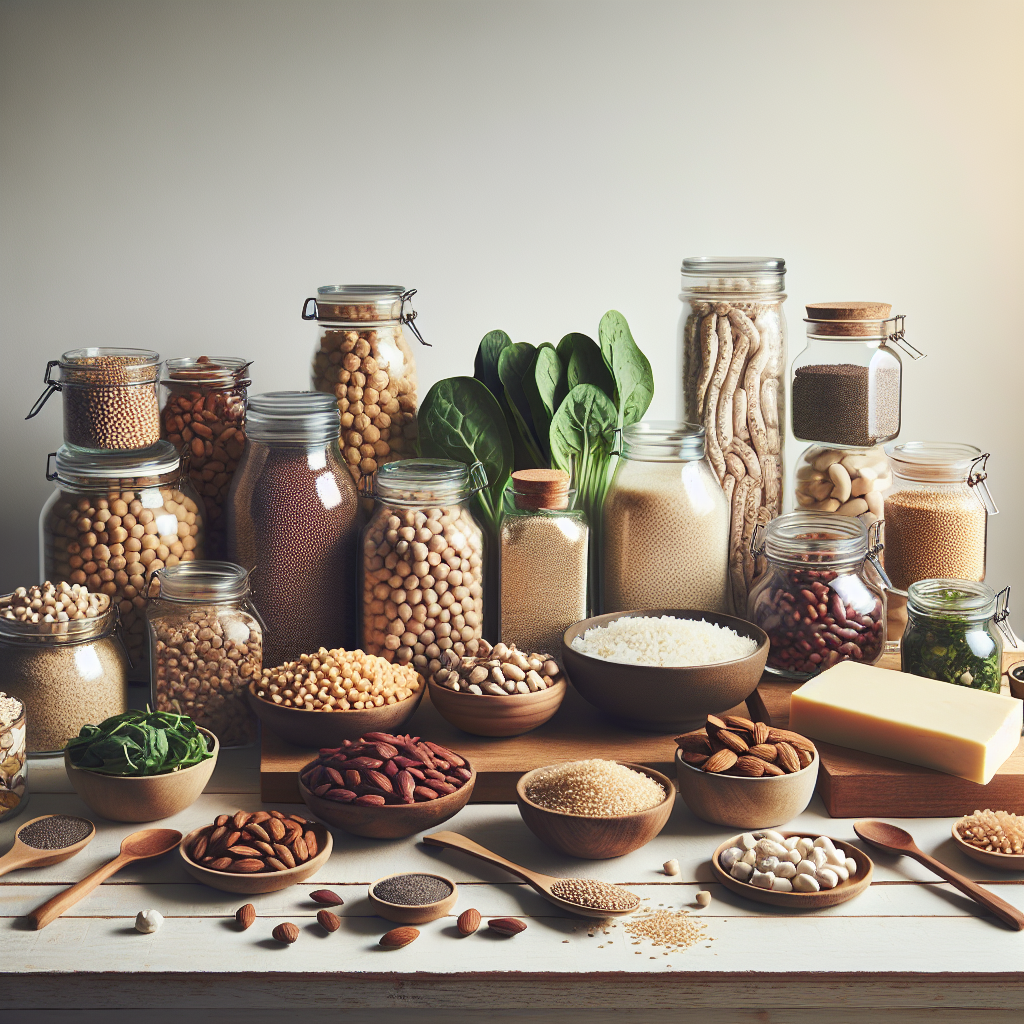
When it comes to vegan muscle building, protein-rich foods play a paramount role. However, the common misconception that vegans struggle to get enough protein is far from the truth. With the right meal prep for bodybuilders, a vegan diet can provide all the essential nutrients necessary for muscle growth and recovery. Let's dive into the top plant-based proteins and their role in vegan muscle building.
The first on our list is lentils. Lentils are a powerhouse of protein and fiber, making them an excellent part of post-workout nutrition. A single cup of cooked lentils provides around 18 grams of protein. They are also a great source of slow-digesting carbs, which is beneficial for muscle recovery and growth.
Next up, we have quinoa. Quinoa is one of the few plant-based foods that contain all nine essential amino acids, making it a complete protein source. This grain is a versatile ingredient that can easily be incorporated into your high-protein snacks or main meals.
Tofu, made from soybeans, is another protein-rich food that is popular among vegan bodybuilders. It's an excellent source of iron and calcium, two essential nutrients for muscle health. Tofu can be grilled, stir-fried, or blended into a smoothie as a protein boost.
Chickpeas, also known as garbanzo beans, provide a good amount of protein and are high in fiber. They're ideal for creating muscle-building meals such as hummus, salads, or stews.
Chia seeds, although small in size, pack a protein punch. These tiny seeds are also rich in omega-3 fatty acids, which play a crucial role in muscle recovery. You can add chia seeds to your smoothies, oatmeal, or make a chia pudding as a post-workout treat.
In addition to these protein-rich foods, supplements for muscle growth like vegan protein powder can also be a part of your diet. These powders often contain pea, hemp, or brown rice proteins, and can be simply mixed with water or plant-based milk for a quick protein fix.
Hydration and muscle health go hand in hand. Water helps transport nutrients to your muscles and aids in digestion. Therefore, staying hydrated is as crucial as your protein intake.
Lastly, don't forget the role of antioxidants in your diet. Foods like berries, nuts, and spinach are packed with antioxidants that help combat oxidative stress caused by intense workouts.
In conclusion, vegan muscle building is not only possible but also sustainable with the right meal prep for bodybuilders. With a variety of plant-based proteins available, achieving your fitness goals on a vegan diet is simpler than you think. Remember, it's not just about protein. Hydration, antioxidants, and nutrient-dense foods are all part of the equation. So, embrace the power of plants and fuel your workouts the vegan way!
In conclusion, adopting a vegan lifestyle does not mean you have to compromise on your muscle building goals. There is a myriad of protein-rich foods and supplements for muscle growth that are plant-based. Vegan muscle building is not only possible but can be highly beneficial when done correctly.
From quinoa and lentils to tofu and tempeh, the variety of plant-based proteins available can perfectly meet your daily protein needs. These proteins play a crucial role in muscle recovery and repair, especially when combined with ample hydration, antioxidants and the right post-workout nutrition.
High-protein snacks are essential for keeping your metabolism active and preventing muscle loss. Furthermore, meal prep for bodybuilders can be much simpler and healthier when incorporating these plant-based proteins.
Remember, maintaining an adequate intake of water is vital for muscle health, and incorporating antioxidants in your diet can combat oxidative stress that comes with intense workouts.
In essence, vegan muscle building is a holistic approach to fitness, prioritizing not just muscle growth but overall health. So, no matter what your fitness goal is, incorporating these plant-based proteins into your regimen can pave the way for better health and a stronger physique.