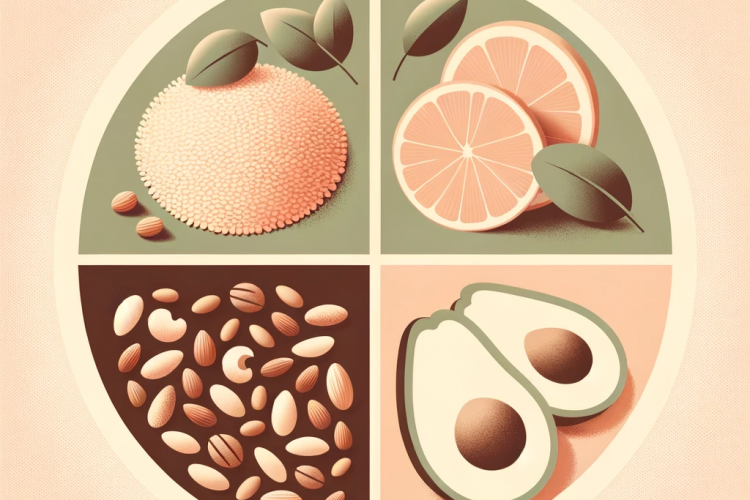
Welcome to Daily Health Foodie, where we explore the essentials of a healthy lifestyle. Today, we’re diving into the world of macronutrients — the building blocks of our diet. Balancing macronutrients is key to achieving a well-rounded diet, and it’s simpler than you might think. Let’s break down what macronutrients are and how you can effectively balance them in your meals.
Understanding Macronutrients
Macronutrients are the nutrients we need in larger quantities that provide us with energy: carbohydrates, proteins, and fats.
- Carbohydrates: They are the primary energy source for our bodies, particularly for the brain and during physical activity. Healthy sources include whole grains, fruits, and vegetables.
- Proteins: Essential for building and repairing tissues, proteins are also crucial for making enzymes and hormones. Lean meats, dairy, legumes, and nuts are excellent protein sources.
- Fats: Fats are essential for absorbing vitamins and protecting our organs. Opt for healthy fats found in avocados, fish, nuts, and seeds.
Balancing Macronutrients in Your Diet
The key to a well-rounded diet is not just about consuming each macronutrient, but getting them in the right proportions.
- Understand Your Dietary Needs: Your macronutrient balance can vary depending on your age, gender, activity level, and health goals. Generally, a balanced diet comprises about 45-65% carbohydrates, 10-35% protein, and 20-35% fats.
- Portion Control: Learn to estimate portions. For instance, a single portion of protein is often about the size of your palm.
- Choose Whole Foods: Focus on whole, unprocessed foods to get the most nutrients.
- Read Labels: When buying packaged foods, read the nutritional labels to understand the macronutrient content.
- Meal Planning: Plan your meals to ensure a balance of macronutrients. Include a source of each macronutrient in every meal.
Sample Meal Plan for a Day:
- Breakfast: Oatmeal with almond milk, topped with berries and a spoonful of almond butter.
- Lunch: Grilled chicken salad with mixed greens, cherry tomatoes, avocado, and a vinaigrette dressing.
- Snack: Greek yogurt with a handful of nuts.
- Dinner: Baked salmon with quinoa and steamed broccoli.
Conclusion: Balancing macronutrients isn’t about strict rules or complicated calculations. It’s about understanding the role of each macronutrient and making mindful choices to include them in your diet. Remember, the goal is a sustainable, balanced diet that supports your overall health and wellness. Stay tuned to Daily Health Foodie for more insights into healthy living!